Introduction
As flu season approaches, understanding flu symptoms has never been more critical. The influenza virus poses a significant health risk, particularly for vulnerable populations such as the elderly, young children, and those with pre-existing conditions. Recognizing the symptoms early can help in seeking medical advice and reducing the spread of the virus.
Common Flu Symptoms
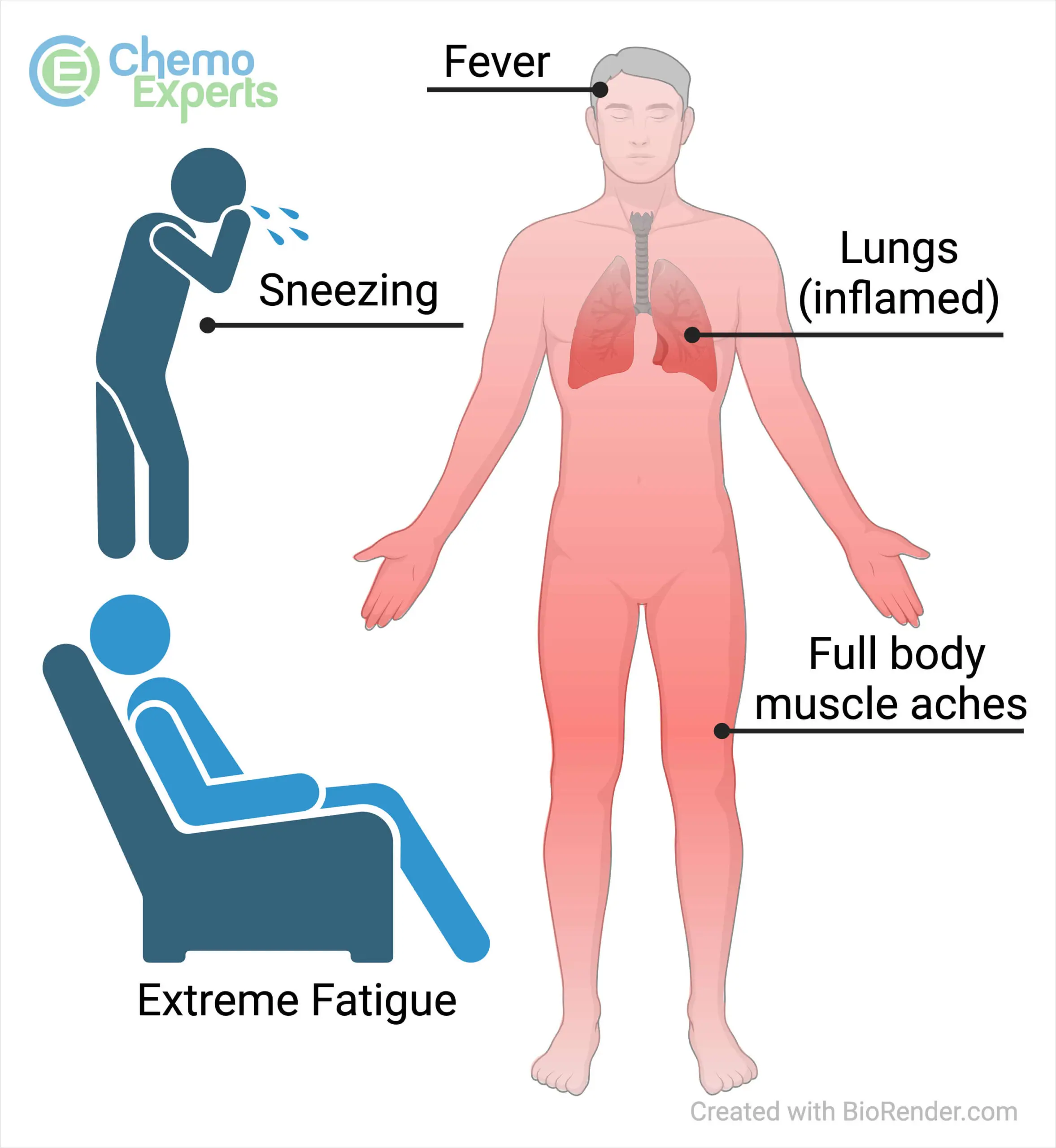
Flu symptoms typically appear suddenly and can vary in intensity. The most common symptoms include:
- Fever or chills: A high temperature is one of the classic signs of the flu, though not everyone with the flu will have a fever.
- Cough: A dry cough is often present and can be quite severe.
- Fatigue: Many individuals experience extreme tiredness, making it difficult to perform daily tasks.
- Body aches: Muscle and joint pain can accompany the flu, adding to the discomfort.
- Sore throat: Inflammation and soreness in the throat can make swallowing painful.
- Headache: A headache often accompanies other symptoms.
- Nasal congestion: Many individuals experience a runny or stuffy nose.
Recent Trends and Reports
According to the Centers for Disease Control and Prevention (CDC), influenza activity is expected to rise as winter approaches. The 2023 flu season is particularly concerning due to the possible intersection with COVID-19, leading health experts to emphasize the importance of vaccination and monitoring symptoms closely.
Healthcare providers recommend getting vaccinated against the flu every season, as vaccine effectiveness varies year to year. This year’s vaccine is designed to protect against the most common strains identified in circulation.
What to Do If You Experience Symptoms
If you begin to experience flu symptoms, it is advisable to stay home to prevent spreading the virus to others. Drinking plenty of fluids, getting ample rest, and consulting a healthcare provider are essential steps. Antiviral medications may be prescribed if taken within the first two days of symptom onset.
Conclusion
Understanding flu symptoms is essential for timely treatment and to mitigate the risks of complications. As the flu season progresses, individuals are encouraged to stay vigilant and informed. Keeping up with vaccinations and adhering to public health guidelines will not only protect personal health but also contribute to the community’s well-being. With proper knowledge and preventive measures, we can better navigate the challenges flu season presents.