Introduction
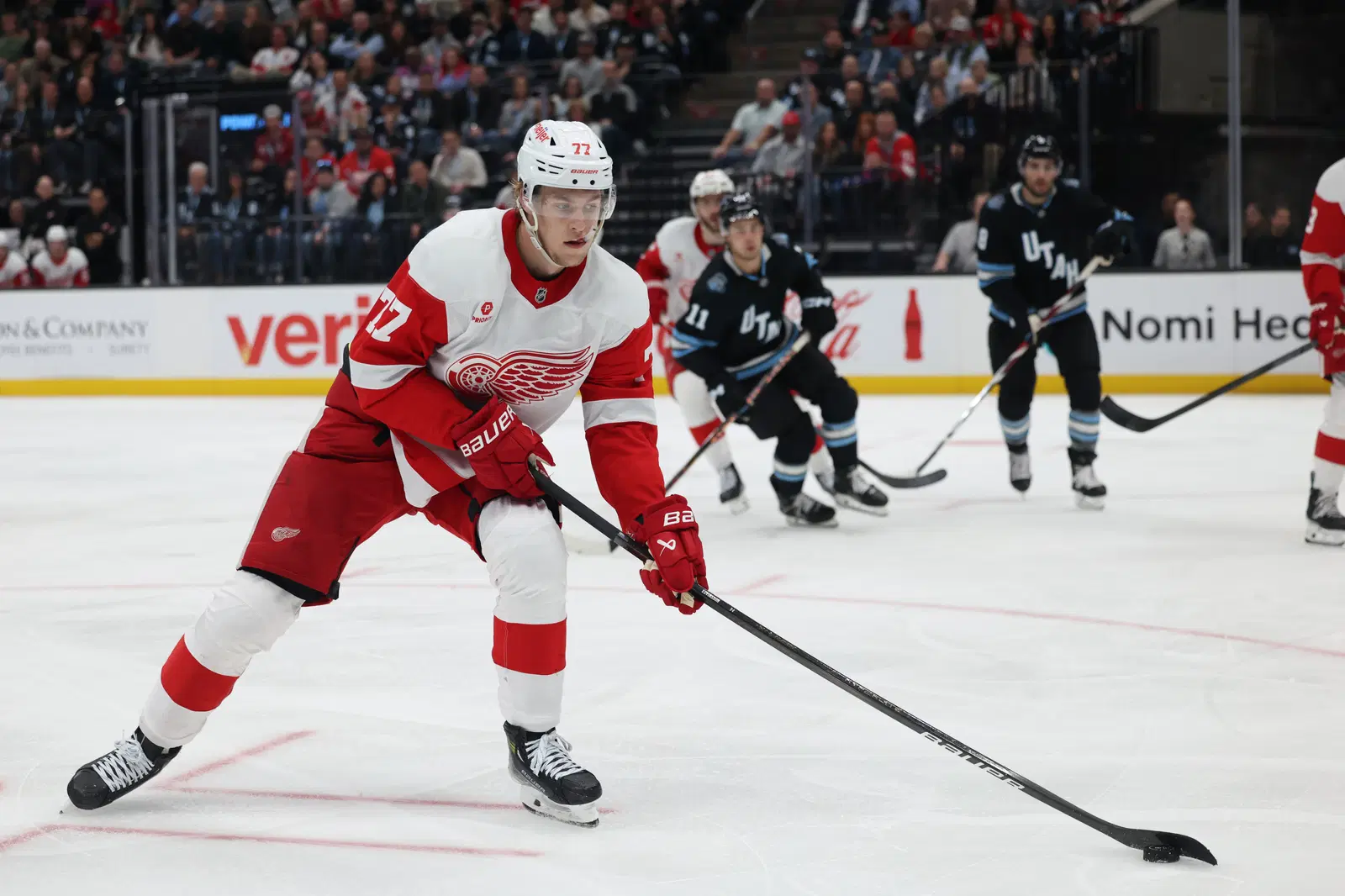
The highly anticipated matchup between the Detroit Red Wings and Colorado Mammoth took place last Saturday, drawing a significant audience of fans eager to witness two of the premier teams in their respective sports. While the Red Wings tackle the NHL ice hockey scene, the Mammoth represent the National Lacrosse League (NLL). This crossover event not only highlights the growing popularity of lacrosse but also showcases the rich sports culture in North America.
The Game Overview
The game kicked off at Little Caesars Arena in Detroit, filled with cheering fans clad in their favorite team colors. The Red Wings entered the game with strong momentum, having secured a series of victories in the weeks preceding the match. On the counter, the Mammoth aimed to leverage their formidable offense, led by superstar attackman Ryan Lee, to keep pace with the NHL squad.
Throughout the match, both teams displayed impressive skill levels, with the Red Wings focusing on their trademark strategies of speed and skill. In contrast, the Mammoth brought an innovative approach to offense, showcasing their versatility and ability to adapt to various defensive third. Key moments of the game included phenomenal saves by the Red Wings goalie Alex Nedeljkovic and a series of accurate shots by Mammoth’s attack, keeping fans on the edge of their seats.
Key Players
Detroits’ Dylan Larkin was crucial in setting the pace for the Red Wings, contributing a goal and an assist. His leadership and agility were pivotal for the team’s performance. On the other hand, Mammoth’s Ryan Lee shined with two goals, demonstrating his capability to compete with the elite level of NHL players.
Conclusion
In conclusion, the exhibition game between the Red Wings and Mammoth served as a testament to the growing crossover appeal between hockey and lacrosse. While the final score showcased an impressive victory for the Red Wings, fans were left entertained and excited about the burgeoning interest that such events are creating between different sports. Moving forward, both teams may consider more inter-league matchups as a strategy to engage audiences, attract new fans, and celebrate the spirit of competitive sports. This event signifies a bright future for sports fan engagement, with the potential for growing collaborations across athletic platforms.