Introduction
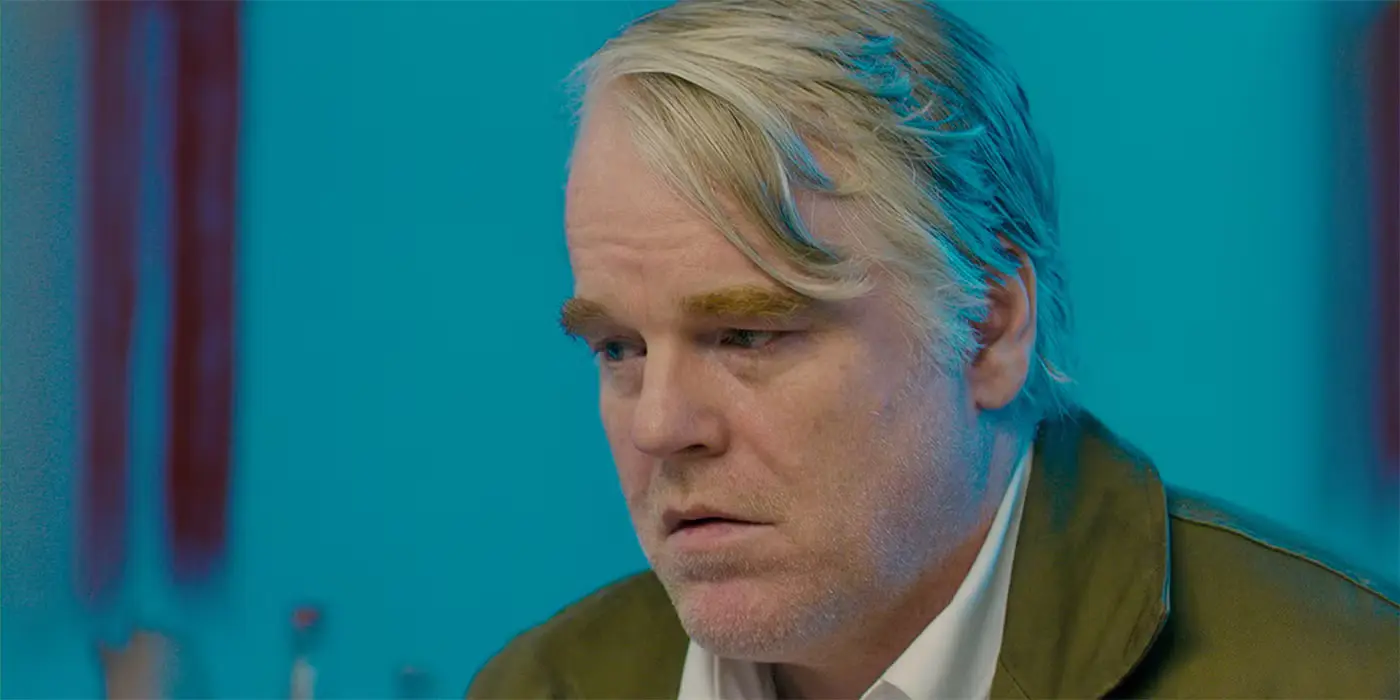
Philip Seymour Hoffman remains one of the most respected and versatile actors in Hollywood. His ability to embody complex characters made him a standout figure in the film industry. Even years after his untimely death in 2014, Hoffman’s work continues to resonate with audiences and is studied for its depth and authenticity. Understanding his contributions to film not only honors his memory but also highlights the importance of artistic integrity in acting.
Career Highlights
Hoffman’s career spanned over two decades, where he displayed an exceptional range that few could match. He gained recognition in the late 1990s with roles in films such as “Boogie Nights” and “Magnolia.” However, it was his performance in “Capote” (2005) that earned him the Academy Award for Best Actor, solidifying his status as a leading figure in the industry. His portrayal of Truman Capote showcased not only his acting talent but also his dedication to understanding the psyche of the characters he played.
In addition to his Academy Award, Hoffman received multiple nominations and awards throughout his career, including a Tony Award for his work in theater. He was known for his collaborations with directors like Paul Thomas Anderson, with whom he worked on several memorable films, including “The Master” (2012). Hoffman’s commitment to his craft, method acting, and the characters he portrayed allowed him to connect deeply with many audiences.
Lasting Impact and Legacy
Despite his passing, Hoffman’s influence continues to shape the acting community. Actors frequently cite him as a source of inspiration, emphasizing how his approach to character preparation and emotional honesty has set a standard in performance arts. His work has sparked discussions around mental health and addiction, particularly after his death, prompting many to reflect on the pressures faced by artists in high-stakes environments.
The launch of the Philip Seymour Hoffman Foundation aims to continue his legacy by supporting the arts and helping those in need. The foundation reflects Hoffman’s belief in the transformative power of the arts and his desire to foster new generations of performers.
Conclusion
Philip Seymour Hoffman’s contributions to film and theater remain significant even years after his death. As both an extraordinary actor and a proud advocate for the arts, his legacy is one of dedication, diversity in performance, and emotional truth. For fans and aspiring actors alike, Hoffman’s work serves as a poignant reminder of the power of storytelling and the importance of creativity in society. His lasting influence on cinema and the arts is one that will endure, inspiring future generations to approach their craft with the same passion and integrity he exemplified.