Introduction
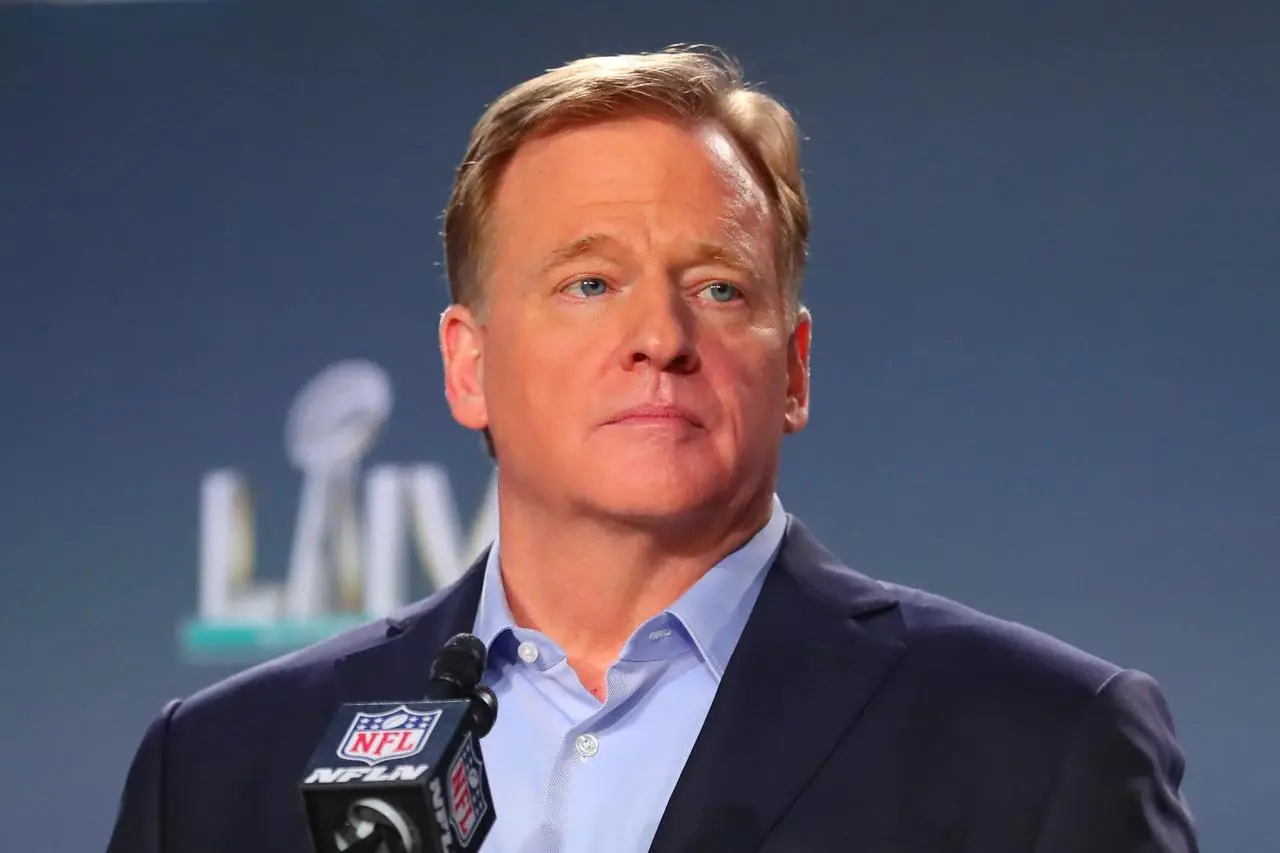
Roger Goodell, the Commissioner of the National Football League (NFL), plays a critical role in shaping the landscape of professional football in the United States. Since taking office in 2006, Goodell has overseen pivotal changes in league operations, player safety, and team management, making his impact on the sport both significant and controversial. Understanding Goodell’s initiatives and the current dynamics surrounding them is essential for football fans and stakeholders alike.
Career Trajectory
Goodell was appointed as NFL commissioner on August 8, 2006, following a successful tenure as the league’s executive vice president and chief operating officer. His ascension was marked by an aggressive approach to expanding the NFL’s brand globally, increasing revenue through lucrative broadcasting deals and international games. Under his leadership, the NFL has embraced new technologies and platforms, adapting to the digital age.
Addressing Player Safety
One of Goodell’s most significant challenges has been addressing player safety concerns, particularly regarding concussions and long-term health risks. In recent years, the league has implemented stricter concussion protocols and invested in research to improve player safety. This commitment is evident in the NFL’s enhanced emphasis on safety measures during practices and games, as well as ongoing initiatives to educate players on injury prevention.
Controversies and Criticism
Despite his achievements, Goodell has faced considerable criticism, particularly regarding his handling of disciplinary actions and player conduct. High-profile incidents involving players have tested the NFL’s image and Goodell’s leadership. Questions surrounding the league’s response to social issues, such as player protests during the national anthem, have also sparked public debate and dissent among fans and players alike.
Recent Developments
As of October 2023, Goodell has continued to navigate these complex issues while promoting the NFL’s growth. Recent announcements regarding the expansion of the NFL’s international schedule, as well as discussions on potential changes to playoff formats, reflect his forward-thinking approach. Furthermore, Goodell is actively involved in negotiations for new broadcasting agreements, which are vital for the league’s financial future.
Conclusion
In conclusion, Roger Goodell’s tenure as NFL commissioner has been defined by significant accomplishments and challenges that have shaped the future of professional football. His focus on player safety, international expansion, and league revenue has proven beneficial, though the controversies surrounding his governance will likely continue to evoke mixed responses from fans. As the NFL evolves, Goodell’s leadership will remain crucial in ensuring the league meets the changing expectations of players, fans, and partners alike.