Introduction
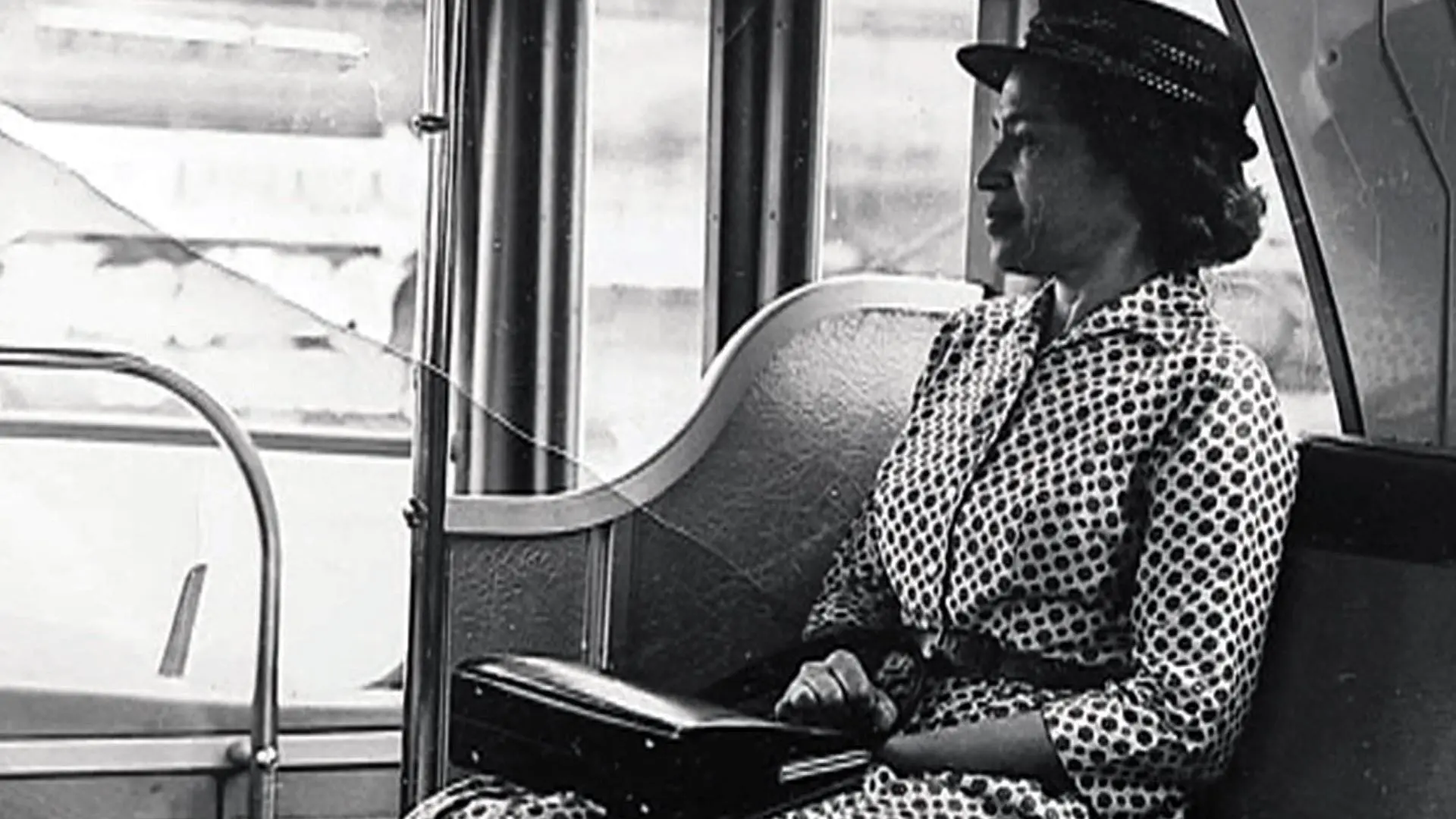
Rosa Parks is hailed as a pivotal figure in the American Civil Rights Movement, often referred to as “the mother of the civil rights movement.” Her courageous refusal to give up her bus seat to a white passenger in Montgomery, Alabama, on December 1, 1955, sparked a citywide boycott of the bus system and laid the groundwork for the fight against racial segregation. Parks’ actions became a catalyst for a larger movement advocating for racial equality and social justice in the United States.
Significant Events Leading Up to the Boycott
Rosa Parks was not the first person to resist bus segregation, but her case gained significant traction due to her active participation with the National Association for the Advancement of Colored People (NAACP). After her arrest, local leaders, including Martin Luther King Jr., organized the Montgomery Bus Boycott, which lasted for over a year. The boycott not only challenged the existing segregation laws but also united Black communities across the South in the fight for civil rights.
The Impact of Rosa Parks
Parks’ steadfast dedication to the struggle against racial injustice inspired countless others to join the civil rights movement. Her act of defiance became symbolic of the fight for equality. In 1964, the Civil Rights Act was passed, prohibiting discrimination based on race, color, religion, sex, or national origin, marking a significant victory in the battle Parks helped ignite.
Legacy and Modern Relevance
Today, Rosa Parks is celebrated not only for her courageous actions but also for her ongoing influence on social movements across the globe. Statues, including one at the U.S. Capitol, and annual events honoring her legacy serve as reminders of the importance of standing up against injustice. Parks’ birthday, February 4th, is recognized as Rosa Parks Day in several states across the U.S., reflecting her lasting impact on American culture and civil rights.
Conclusion
Rosa Parks’ refusal to conform to unjust laws represents a turning point in American history. Her story resonates with current and future generations, symbolizing the ongoing fight for equality and justice. As movements for civil rights continue worldwide, Parks’ legacy serves as an enduring reminder that individual acts of courage can lead to significant societal change.