Introduction
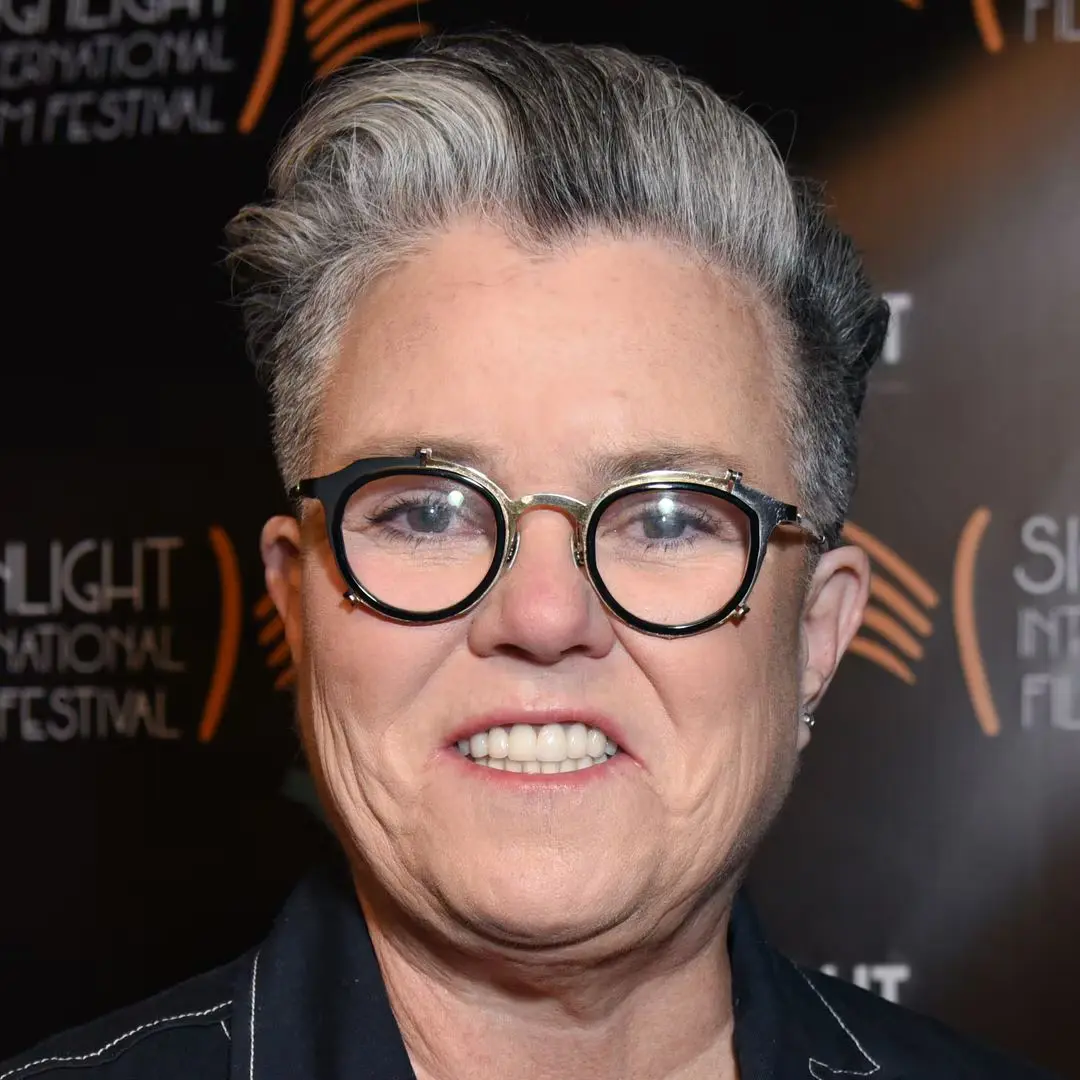
Rosie O’Donnell, a leading figure in American entertainment, continues to make waves with her multifaceted career as a comedian, actress, producer, and outspoken advocate for various social causes. Her relevance transcends entertainment; she has become a key voice in the dialogue surrounding LGBTQ+ rights, mental health awareness, and a variety of political issues. Understanding her journey and ongoing impact is crucial in today’s cultural landscape.
Career Highlights
O’Donnell rose to fame in the 1990s with her self-titled talk show, which garnered critical acclaim and multiple Daytime Emmy Awards. Known for her candid humor and engaging interviews, she became a household name. Beyond her talk show, Rosie has starred in various films such as “A League of Their Own” and lent her voice to animated features like “Tarzan.” Her contributions to Broadway, particularly in shows like “Grease,” further showcase her versatility as an entertainer.
Advocacy and Activism
Beyond her entertainment prowess, O’Donnell is recognized for her activism, particularly regarding LGBTQ+ rights and mental health. In 2002, she publicly came out as bisexual, using her platform to advocate for LGBTQ+ acceptance. She has also been a supporter of the LGBTQ+ community in her philanthropic efforts, notably through her charity, the Rosie O’Donnell Foundation, which aims to support children in need, including those in the foster care system. Her openness about her own struggles with depression has sparked important conversations about mental health, particularly in the entertainment industry.
Recent Developments
In recent years, O’Donnell has remained active in both her career and activism. She has made appearances on popular television shows and podcasts, bringing her insights and humor to new audiences. In 2023, Rosie made headlines for her participation in the ongoing dialogue about mental health, particularly amidst the challenges posed by the COVID-19 pandemic. She continues to engage with her audience through social media, sharing her thoughts on current events and advocating for mental health awareness.
Conclusion
The significance of Rosie O’Donnell’s career and activism cannot be overstated. As she navigates the complexities of her personal and professional life, she remains a beacon of hope and inspiration for many. Her refusal to shy away from tough topics resonates with audiences, driving important conversations about representation, acceptance, and empathy. Looking forward, O’Donnell’s voice will likely continue to influence both the entertainment industry and societal issues, making her a pivotal figure in contemporary culture.