Introduction
RuPaul, an iconic figure in the entertainment industry, has played a pivotal role in reshaping both the perception and popularity of drag culture. With a career spanning several decades, RuPaul has brought the art of drag into the mainstream, significantly influencing how society views gender expression and performance. As the host of the reality competition show ‘RuPaul’s Drag Race,’ he has not only provided a platform for drag queens to showcase their talents but has also driven discussions around inclusivity and acceptance in popular culture.
Main Body
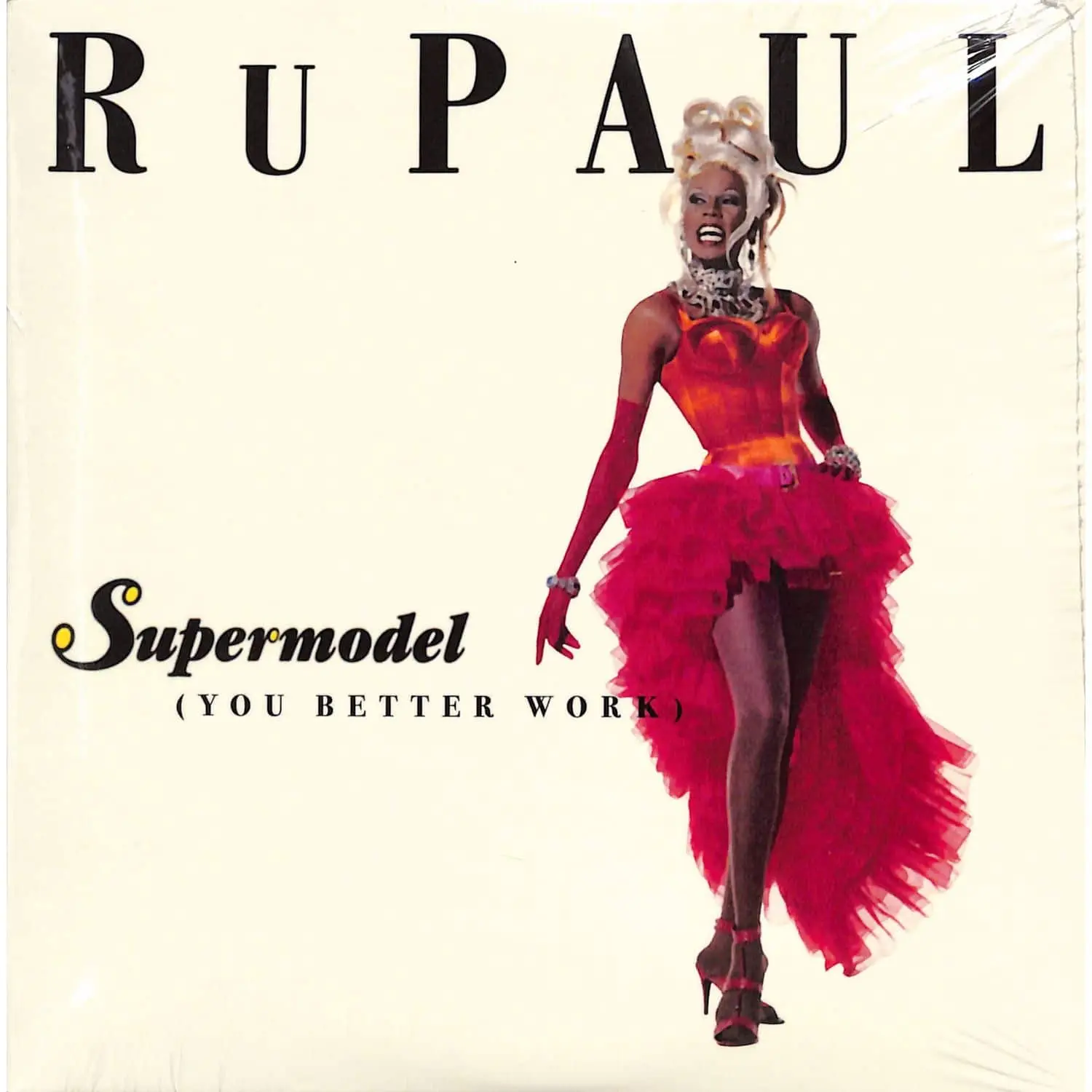
RuPaul Andre Charles, born on November 17, 1960, in San Diego, California, originally made a name for himself in the 1980s as a drag performer and musician. His breakout hit, ‘Supermodel (You Better Work),’ set the stage for his future endeavors. However, it was the launch of ‘RuPaul’s Drag Race’ in 2009 that truly cemented his status as a cultural icon. The show has gone on to become a significant success, winning numerous awards and spawning international versions in multiple countries, including the UK, Canada, and España.
The show’s format, which combines fierce competition with heartfelt storytelling, allows contestants to showcase not only their drag skills but also their personal journeys. This has fostered greater empathy and understanding among audiences, contributing to a shift in societal attitudes toward LGBTQ+ individuals. According to a 2021 study by GLAAD, 82% of LGBTQ+ viewers reported that their perception of drag and transgender individuals has improved due to shows like ‘Drag Race.’
Beyond the entertainment realm, RuPaul has also utilized his platform to promote important social issues. He has been an advocate for anti-bullying campaigns and has raised awareness about HIV/AIDS, particularly in the Black community—something he has been vocal about given its historical impact. His catchphrases and visually stunning style have permeated popular culture, making drag a subject of discussion even in mainstream media and among celebrities.
Conclusion
RuPaul’s impact on drag culture and the broader LGBTQ+ community cannot be overstated. His ability to blend entertainment with advocacy has allowed a greater visibility for drag and LGBTQ+ issues in society. As we move forward, it is essential to recognize the ongoing journey of representation and inclusivity that RuPaul has championed. With continued support for platforms that celebrate diversity, the future of drag and the voices within it look promising and ever-evolving. As more individuals are empowered to express themselves freely, the world of drag will continue to flourish and inspire future generations.