Introduction
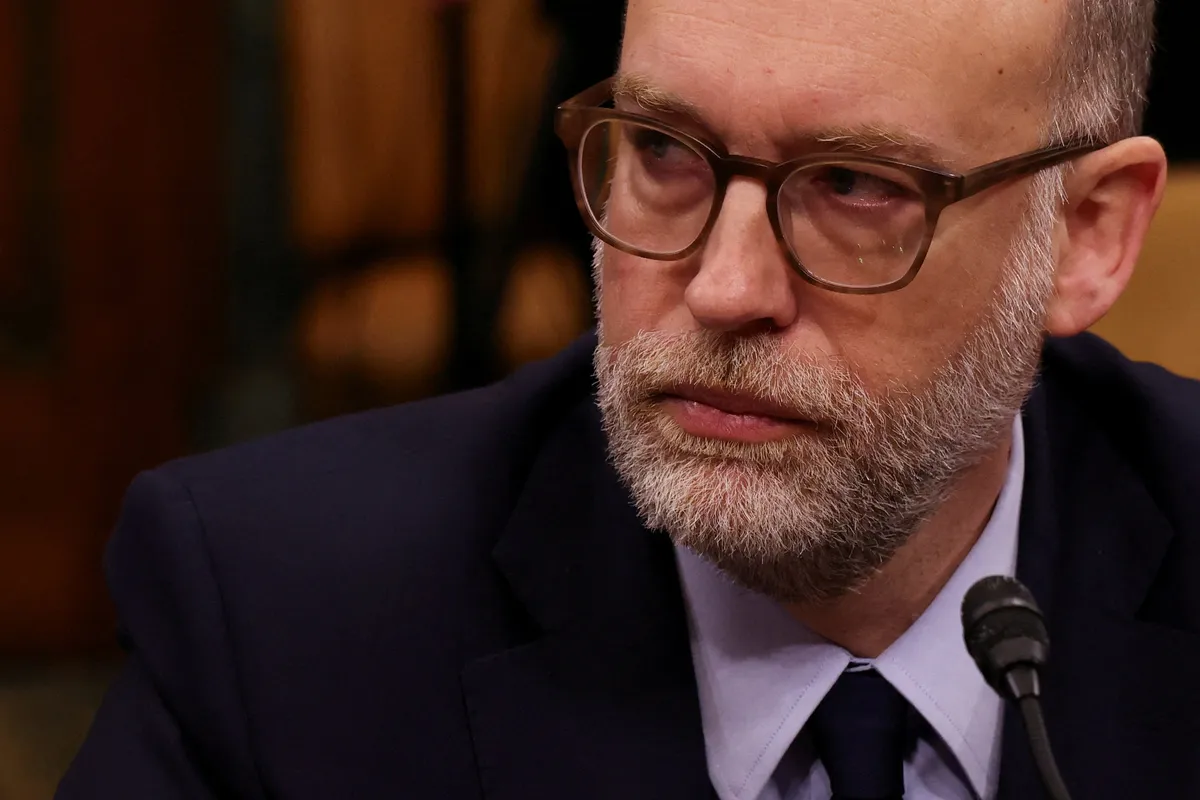
Russell Vought, a prominent figure in American politics, has garnered attention for his role as Director of the Office of Management and Budget (OMB) under the Trump Administration. His tenure has been marked by significant policy shifts and fiscal strategies that resonate through current political discourse. Understanding his influence is crucial as the country navigates challenges related to economic policy and government spending.
Background
Before his appointment to the OMB, Vought served in various capacities that shaped his understanding of fiscal policy and governance. A graduate of Wheaton College, he cultivated a robust career in public policy working for both the House of Representatives and various conservative think tanks, including the Heritage Foundation. His deep-rooted commitment to fiscal conservatism positioned him as a key advocate for budgetary reforms.
Main Contributions
Vought was nominated to head the OMB in July 2020, following the resignation of Mick Mulvaney. During his leadership, he oversaw budget proposals that emphasized reducing government spending and limiting the role of federal agencies. Notably, he played a pivotal role in the administration’s response to the COVID-19 pandemic, guiding financial assistance packages and emergency spending measures aimed at supporting Americans and businesses affected by the economic fallout.
One of his significant achievements was advocating for the “right-sizing” of government by proposing reductions in non-defense discretionary spending. His strategies directly influenced the federal budget, leading to broader discussions about the balance between government support and fiscal responsibility. Vought’s involvement in budget negotiations often reflected a staunch opposition to the increasing federal spending trajectory advocated by some politicians in Congress.
Current Relevance
Following his exit from government service in January 2021, Vought has continued to be a vocal advocate for fiscal conservatism and has taken on a leadership role at the Center for Renewing America, a policy organization focused on promoting conservative principles. His views on economic policy remain influential among GOP circles, especially as the party faces internal divisions regarding fiscal strategies.
Conclusion
Russell Vought’s tenure as OMB Director highlighted the tension between conservative fiscal policy and federal government intervention, particularly during a national crisis. As shedding light on governmental finances becomes critical amid growing national debt debates, Vought’s impact will likely continue to resonate. Observers are keen to see how his philosophies shape future fiscal policy, especially as both major political parties grapple with the implications of economic recovery and budgetary constraints.