Who is involved
Saint Patrick’s Day, celebrated annually on March 17, has its roots as a religious feast day honoring St. Patrick, the patron saint who brought Christianity to Ireland. Initially observed as a solemn occasion, the day has transformed significantly over the centuries, particularly in the United States, where it has evolved into a vibrant celebration of Irish culture and heritage.
Before the modern festivities took shape, the expectations surrounding Saint Patrick’s Day were relatively modest. The first recorded celebration in America took place in 1600 in St. Augustine, Florida, marking the beginning of a tradition that would grow exponentially. The first known parade occurred in 1601, but it wasn’t until the 18th century that the celebrations began to resemble the large-scale events we see today.
The decisive moment for Saint Patrick’s Day in the U.S. came in the 1760s when Irish soldiers serving in the English military marched through New York City, celebrating their heritage. This led to the establishment of the first parade in 1762, setting a precedent for the grand events that would follow. Fast forward to 2026, and the 265th annual St. Patrick’s Day Parade in New York City is expected to attract nearly 2 million attendees, showcasing the day’s transformation into a major cultural event.
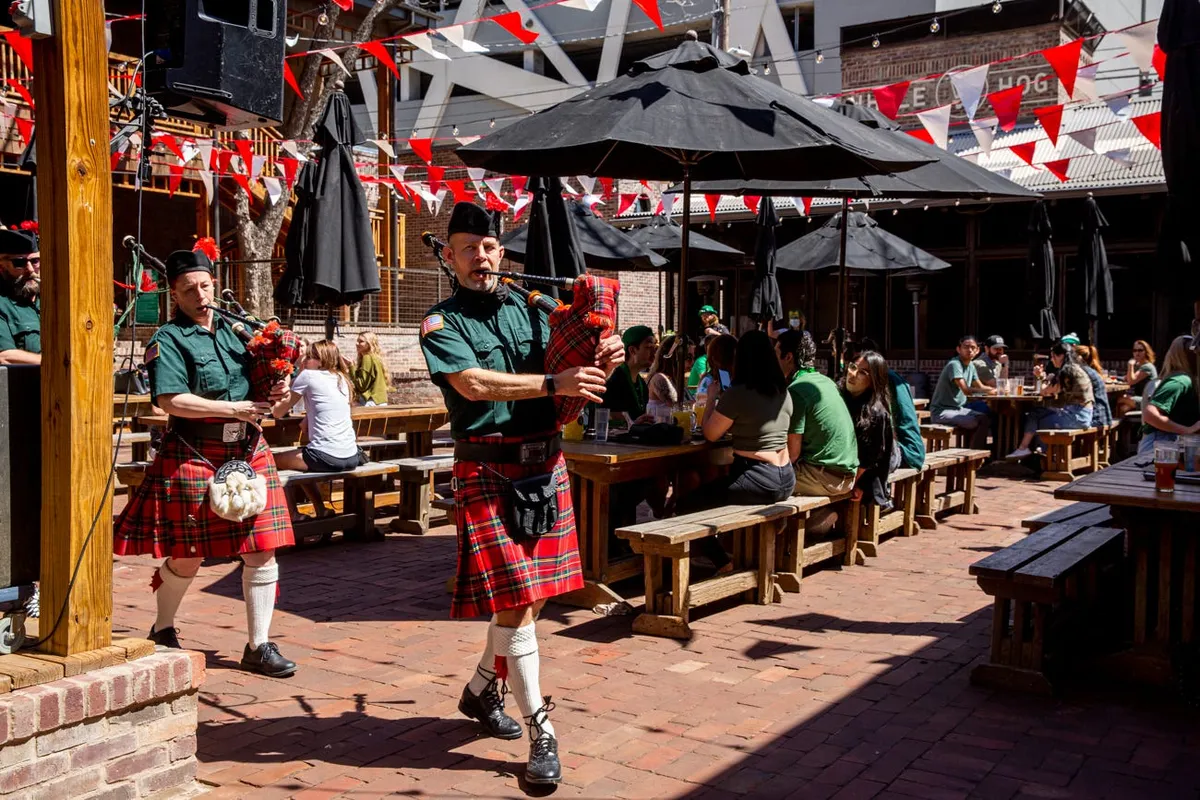
As the parade kicks off at 11 a.m. and typically wraps up around 4:30 p.m., participants and spectators alike don green attire, a tradition rooted in folklore that suggests wearing green makes one invisible to leprechauns, who are known to pinch anyone they can see. This whimsical element adds a layer of fun to the celebrations, which have increasingly turned into festive bar crawls across the city.
The anticipated spending for Saint Patrick’s Day in 2026 is estimated to reach $7.7 billion, reflecting the day’s significance in American culture. This figure underscores the economic impact of the celebrations, which not only highlight Irish heritage but also contribute substantially to local economies through hospitality and retail sectors.
Experts note that while the day is not recognized as a federal holiday in the U.S., its cultural importance cannot be overstated. The celebrations serve as a unifying event for Irish Americans and others who partake in the festivities, fostering a sense of community and shared identity. St. Patrick’s Day has become a day where everyone, regardless of their background, can join in the revelry.
As the 2026 celebrations approach, forecasts indicate a chilly start with temperatures around 38 degrees Fahrenheit, rising to a high of 40 degrees. Despite the cold, the enthusiasm surrounding the parade remains unwavering, as participants and onlookers prepare to celebrate the rich history and cultural significance of Saint Patrick’s Day.