The numbers
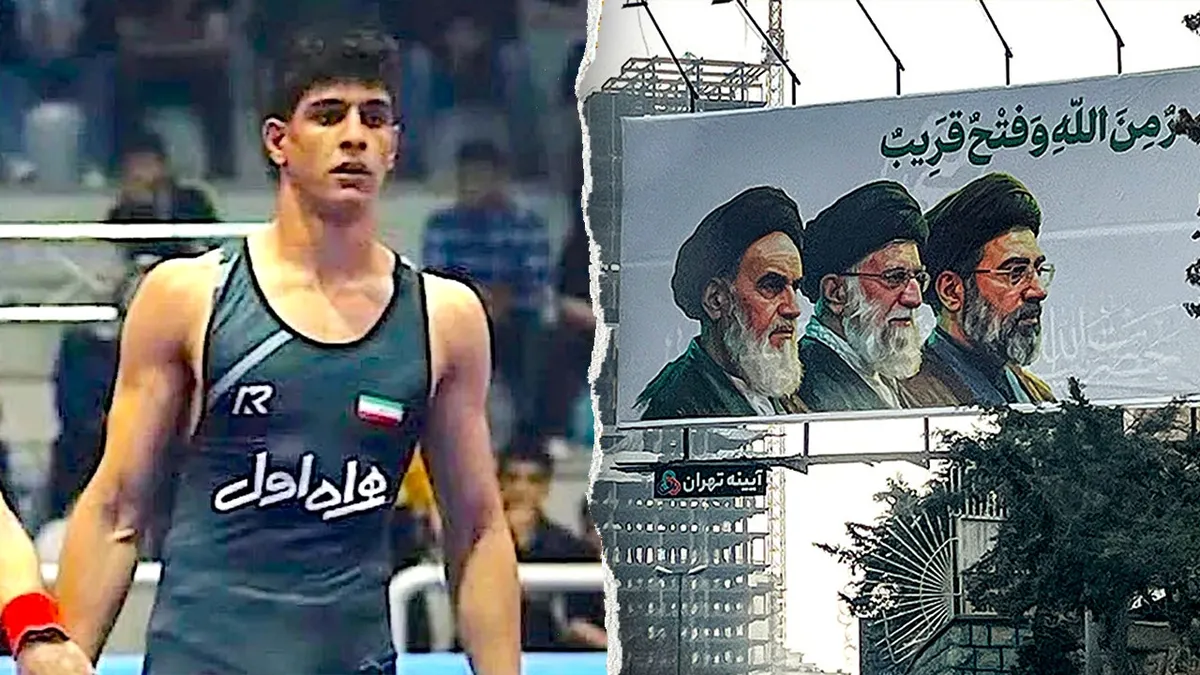
Saleh Mohammadi was executed by public hanging on March 19, 2026, at the age of 19. His execution follows accusations that he killed two police officers during protests that erupted in January 2026. The Iranian regime claimed that Mohammadi and others acted on behalf of foreign adversaries, specifically Israel and the United States.
Mohammadi’s trial has been criticized for lacking due process, with reports indicating that it involved forced confessions. He was arrested during the protests in January 2026 and turned 19 in prison on March 11, just days before his execution. The Iranian judiciary sentenced him to death on February 4, 2026, as part of a broader crackdown on dissent.
On the same day as Mohammadi’s execution, three individuals were reported to have been executed, highlighting a troubling trend in Iran where the government has intensified its efforts to suppress anti-regime protests. Human rights organizations have condemned these actions, labeling them as state-sanctioned murder. The Center for Human Rights in Iran stated, “Executing these young protesters in public, after sham trials built on torture and forced confessions, is state-sanctioned murder designed to terrorize the population and send a clear message: any act of dissent will be met with death.”
Mohammadi was known for his athletic achievements, having won a bronze medal at the Saytiyev International Cup in September 2024. His execution has drawn international condemnation, particularly from human rights advocates who argue that the Iranian regime has a history of targeting athletes to suppress dissent. Nima Far, a human rights activist, remarked, “His execution was a blatant political murder, part of the Islamic Republic’s pattern of targeting athletes to crush dissent and terrorize society.”
The Iranian government has faced increasing scrutiny for its treatment of both athletes and protesters. Reports indicate that approximately 7,000 demonstrators were killed during the January protests, with the regime asserting that President Trump had saved the lives of 800 demonstrators. This narrative has been met with skepticism by many observers.
Masih Alinejad, an Iranian journalist and activist, called for global solidarity, stating, “I call on @GlobalAthleteHQ to stand with Iranian athletes who are being silenced, imprisoned, and executed simply for raising their voices.” The international community is urged to take a stand against Iran’s actions, with calls for a ban on the country from international competitions until it ceases executions of protesters and athletes.
As the situation continues to evolve, observers are closely monitoring Iran’s response to the international outcry. The regime’s actions against dissenters, particularly in the context of sports and protests, remain a critical point of concern for human rights advocates worldwide. Details remain unconfirmed regarding the full extent of the crackdown and its implications for future protests and the treatment of athletes in Iran.