Prior Expectations
Before the introduction of the SAVE America Act, the process of voter registration in federal elections was relatively straightforward. Citizens could register to vote without stringent requirements regarding proof of citizenship or identification. This accessibility was seen as a means to encourage civic participation and ensure that all eligible voters could easily exercise their rights. However, concerns about voter fraud and the integrity of elections had been raised by various political factions, leading to calls for reform.
Decisive Changes
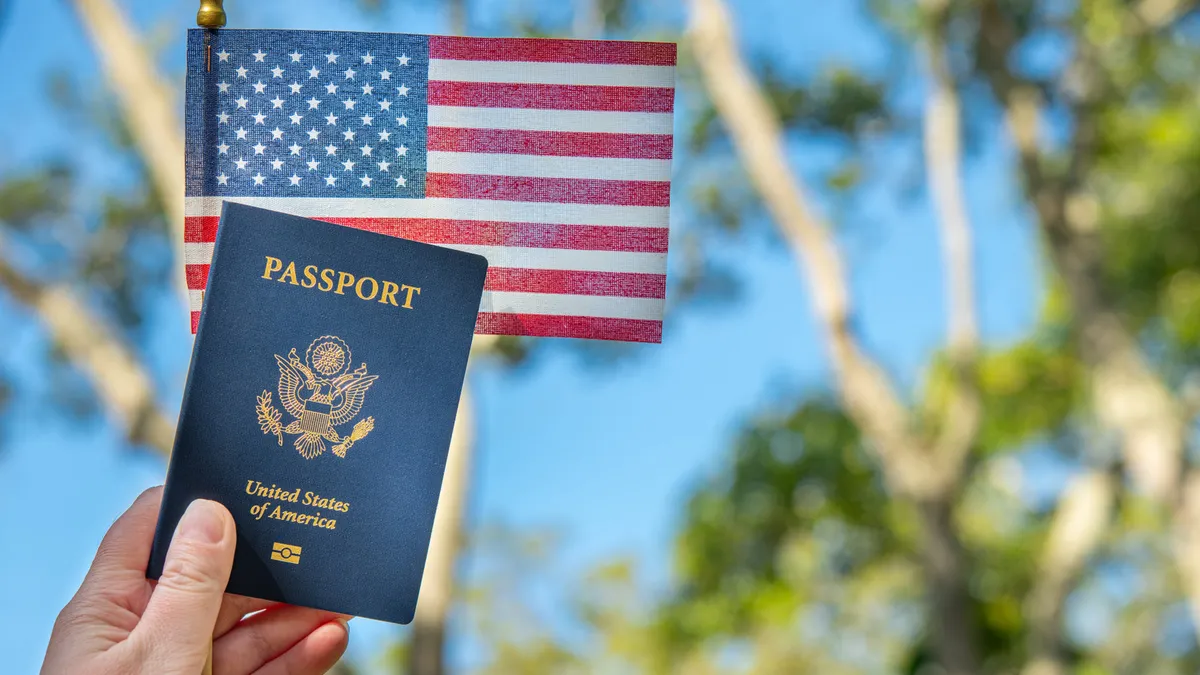
The SAVE America Act, formally known as the Safeguard American Voter Eligibility Act, has introduced a significant shift in this landscape. The legislation requires proof of citizenship to register to vote in federal elections, mandating that individuals provide documentary evidence such as a U.S. passport or a driver’s license that includes proof of citizenship. Additionally, the bill imposes photo ID requirements at the polls, which further complicates the voting process for many. This act has been a priority for President Trump, who has stated he will not sign other legislation until it is passed, emphasizing its importance in the current political climate.
Immediate Effects
The immediate effects of the SAVE America Act have been profound, particularly for individuals who have changed their names or who may lack the required identification. Critics, primarily from the Democratic Party, argue that the bill could disenfranchise millions of eligible voters, creating barriers that disproportionately affect marginalized communities. The legislation also requires states to actively search for noncitizen voters and submit their voter rolls to a federal database, adding another layer of complexity to the voter registration process.
Expert Perspectives
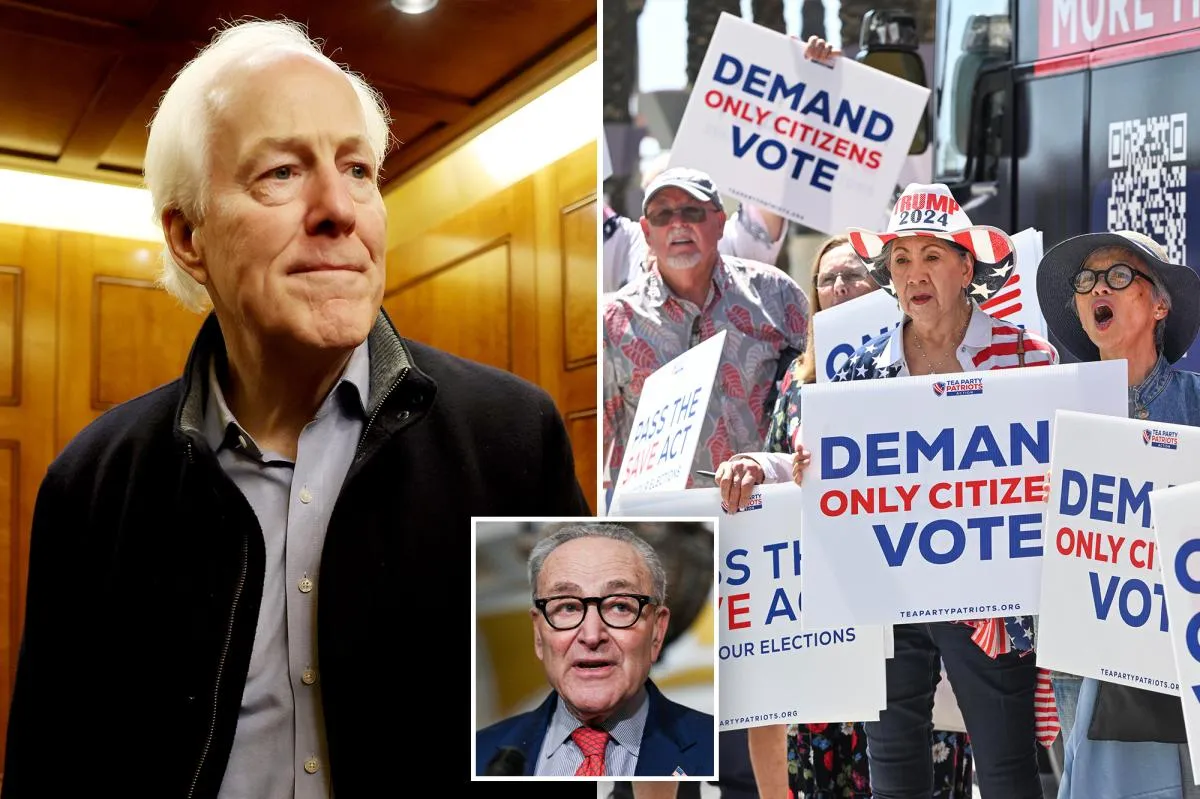
Experts have weighed in on the implications of the SAVE America Act. John Cornyn, a Republican senator, has expressed strong support, stating, “The president has made the SAVE America Act his ‘number one priority,’ and he is right.” Meanwhile, John Thune acknowledged the challenges ahead, saying, “I can guarantee the debate. I can guarantee a vote. I just can’t guarantee an outcome.” This highlights the uncertainty surrounding the bill’s future, particularly in the Senate, where the 60-vote filibuster threshold poses a significant hurdle.
Political Landscape
The political landscape surrounding the SAVE America Act is fraught with contention. While the House has passed earlier versions of the bill twice, its fate in the Senate remains uncertain. The divide between parties is stark, with Democrats warning that the legislation could disenfranchise millions of eligible voters. This contention underscores the broader debate about voter access and election integrity, which has become a pivotal issue in American politics.
Looking Ahead
As the SAVE America Act moves forward, the exact impact on voter registration and participation remains unclear. The legislation, if signed into law, would take effect immediately, potentially reshaping the electoral process in the United States. However, the complexities of implementation and the potential for legal challenges could influence its effectiveness and acceptance among the public.
Details remain unconfirmed regarding the full ramifications of the SAVE America Act. As discussions continue, the balance between ensuring election integrity and maintaining accessible voting rights will be a critical focus for lawmakers and citizens alike.