How it unfolded
On March 16, 2026, inclement weather, including tornado warnings and thunderstorms, swept through Western North Carolina, setting the stage for significant disruptions in the following days. As the storm progressed, temperatures in the Asheville area dropped to a low of 19 degrees Fahrenheit, with a forecast indicating a 40% chance of snow showers. This severe weather prompted local educational authorities to prepare for potential school closures and delays.
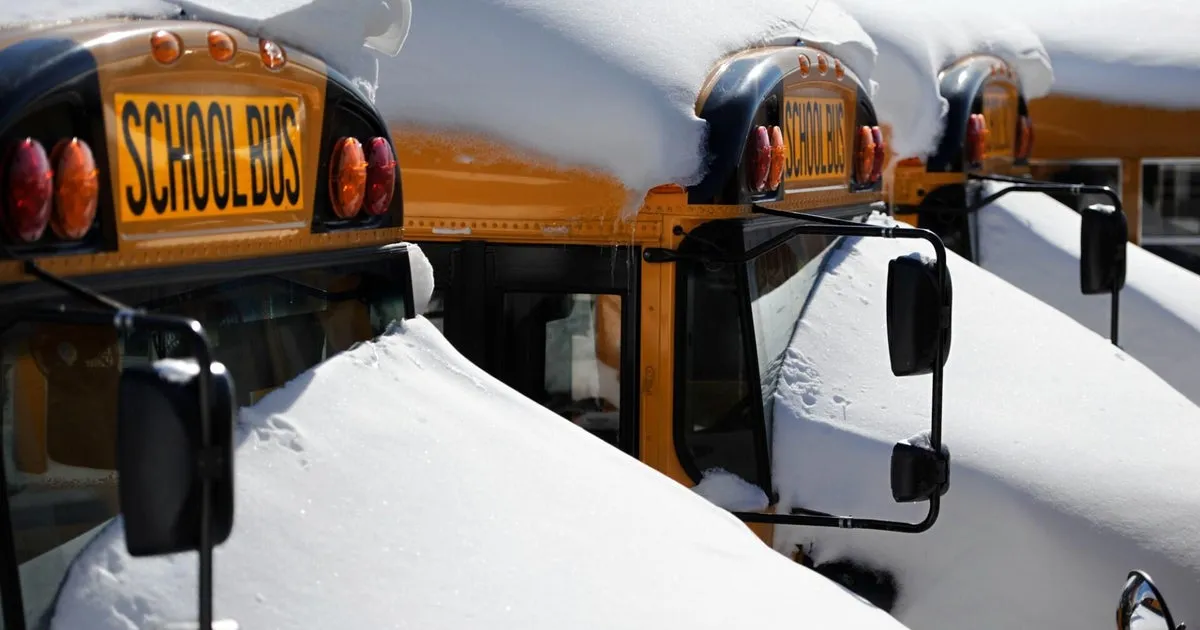
By March 17, several school districts in both Minnesota and Western North Carolina announced closures and shifts to remote learning. Asheville City Schools declared a remote learning day, allowing students to continue their education from home. Similarly, Buncombe County Schools opted for a closure, designating the day as an optional workday for teachers. Graham County Schools followed suit, closing for the day while staff were encouraged to report for work.
Avery County Schools also implemented a remote learning day for students and 10-month employees, ensuring that education could continue despite the weather challenges. In contrast, Cherokee County Schools experienced a two-hour delay, with no bus services operating due to icy road conditions. Madison County Schools announced a closure with an optional workday for staff, while Yancey County Schools also moved to remote learning.
In addition to these closures, Macon County Schools faced a three-hour delay, and both Jackson County Public Schools and Watauga County Schools announced two-hour delays, albeit with limited bus routes. The impact of the weather was felt across the region, affecting not only students but also families and staff who had to adapt to these sudden changes.
As the day progressed, A-B Tech Community College announced a delayed opening at 10 AM, reflecting the broader impact of the storm on educational institutions. The response from schools and colleges highlighted the importance of flexibility and adaptability in the face of unpredictable weather conditions.
Yancey County Schools addressed concerns regarding students’ access to remote learning, stating, “Our principals and teachers will work with students and families if their WiFi is not in service at home due to the weather.” This acknowledgment underscores the challenges that many families face when transitioning to online education during adverse weather events.
As of now, the situation remains fluid, with schools in both regions continuing to monitor weather conditions and make necessary adjustments. The sequence of events surrounding these school closures is significant as it reflects the ongoing challenges that educational institutions face in ensuring continuity of learning during severe weather.
For students, parents, and educators, the implications of these closures are profound. The ability to maintain educational standards while prioritizing safety is a delicate balance that schools must navigate, especially in regions prone to severe weather. As communities recover from the impacts of the storm, the focus will likely shift to ensuring that students remain engaged and supported in their learning journeys.