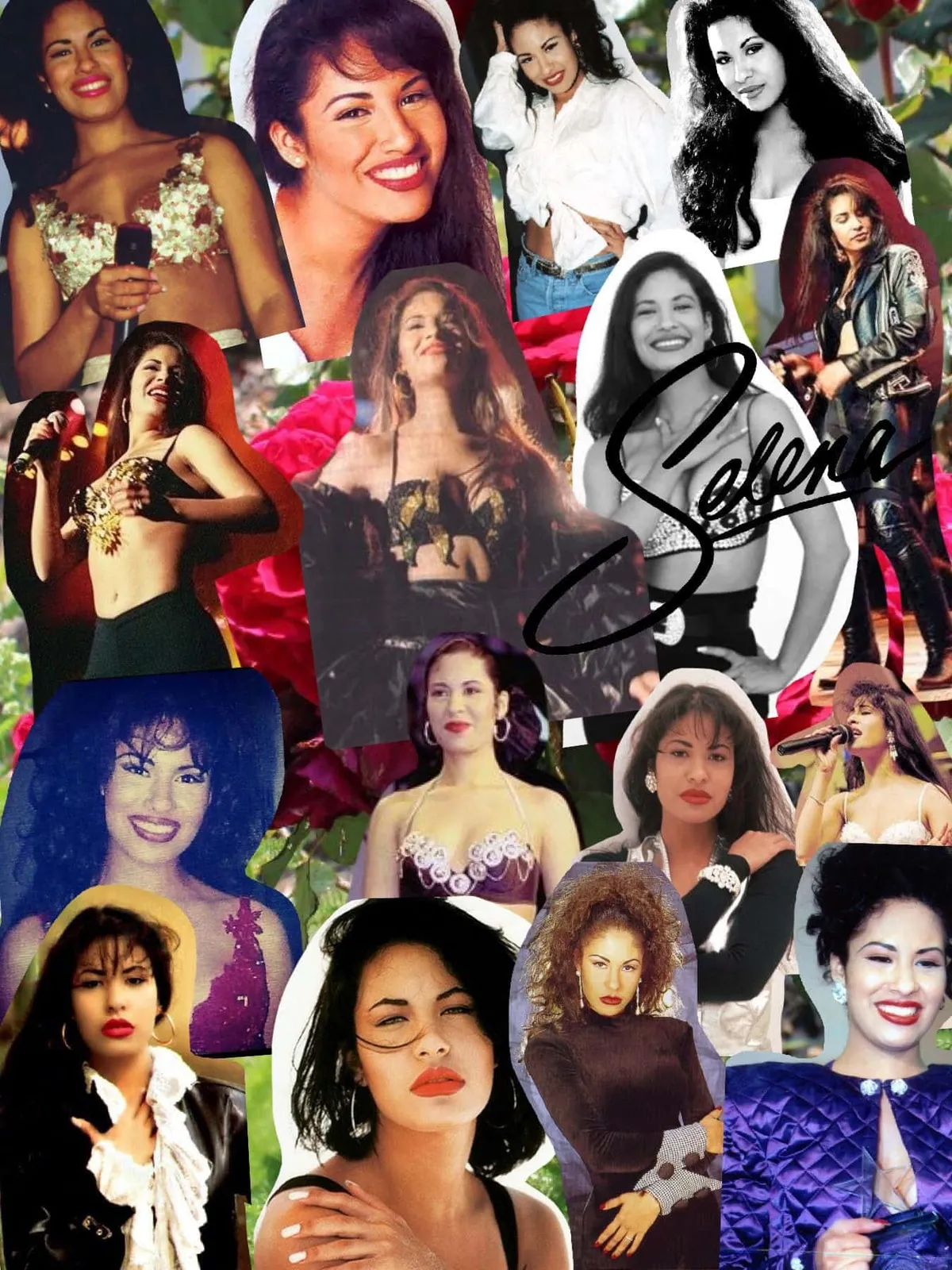
Before Selena Quintanilla-Pérez was tragically killed on March 31, 1995, she was a rising star in the music industry, known for her unique blend of Tejano, pop, and cumbia styles. At just 23 years old, Selena had already won her first Grammy in 1994 for her album ‘Live,’ and her posthumous album ‘Dreaming of You’ would later top the Billboard 200, solidifying her status as a cultural icon.
The decisive moment came when Selena was shot by Yolanda Saldívar, the president of her fan club, over a financial dispute involving $30,000 that Saldívar was suspected of embezzling. This shocking event led to an outpouring of grief, with over 50,000 people lining up to view Selena’s body, illustrating the profound impact she had on her fans and the community.
In the aftermath of her death, the trial for Yolanda Saldívar was moved to Houston due to heavy publicity surrounding the case. Saldívar was convicted of first-degree murder on October 23, 1995, and sentenced to life in prison with the possibility of parole after 30 years. This legal resolution, however, did little to ease the loss felt by Selena’s family and fans.
Selena’s influence has only grown over the years. In 2017, she received a posthumous star on the Hollywood Walk of Fame, and in 2021, she was honored with a lifetime achievement award from the Grammys. These accolades reflect her lasting legacy and the ongoing relevance of her music.
Experts note that Selena’s groundbreaking fusion of musical styles helped define a new era of Latinx representation in mainstream American music. Larissa M. Mercado-López, co-editor of ‘The Selena Reader,’ emphasized the cultural significance of Selena, stating, “Selena meant a lot to me growing up. She meant a lot to my co-editor, um, Dr. Yndalecio Isaac Hinojosa.” This sentiment is echoed by many who view her as a symbol of empowerment and cultural pride.
Yolanda Saldívar’s actions, as she stated during her trial, were not premeditated: “I didn’t mean to do it. I didn’t mean to kill anybody.” This tragic misunderstanding has left a void in the music world that remains palpable.
As the years pass, the impact of Selena’s life and music continues to resonate. The collection of essays edited by Mercado-López and Hinojosa serves as a testament to her enduring legacy, described by Mercado-López as “kind of a literary roadside memorial.”
Selena’s story is not just one of loss, but also of celebration, as her music continues to inspire new generations. Her contributions to the music industry and her role as a cultural icon ensure that her memory will live on for many years to come.