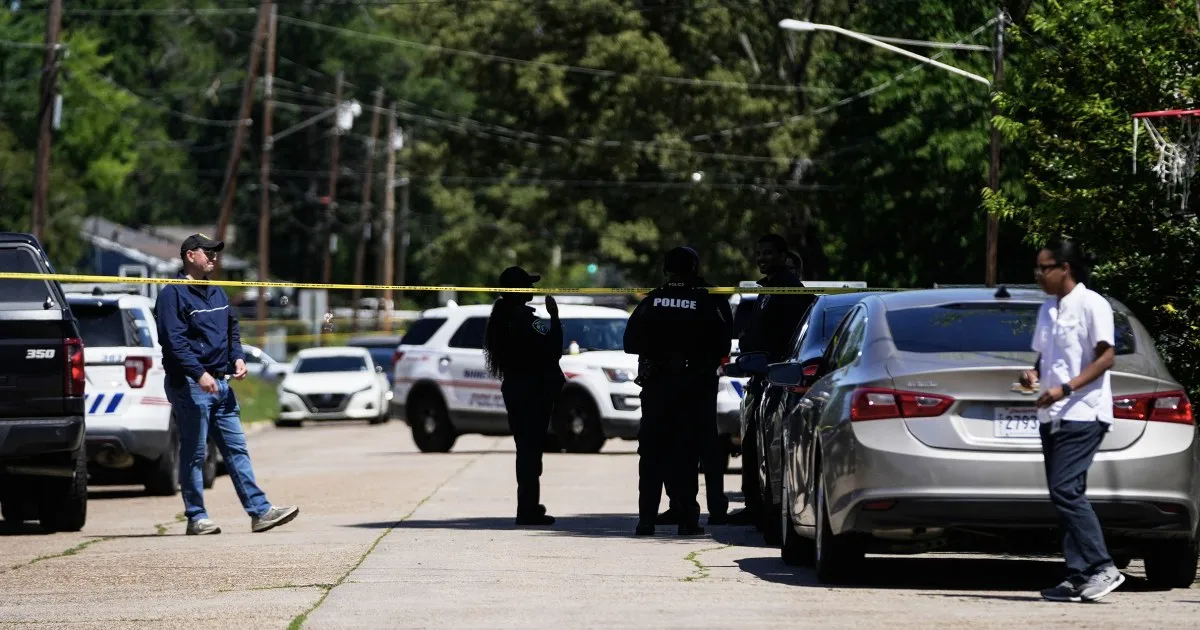
On April 19, 2026, a horrific mass shooting unfolded in Shreveport, Louisiana. Eight children lost their lives in this tragic incident. The ages of the victims ranged from just 3 to 11 years old. This event marks one of the deadliest mass shootings in the U.S. since January 2024.
Before this tragedy, the community had no expectations of such violence. Families lived their lives without fear of such a devastating act occurring in their neighborhood. Yet everything changed within moments when Shamar Elkins opened fire.
Elkins was identified as the father of seven of the eight children killed. He also injured two women, including his wife, during the shooting. Witnesses described the scene as chaotic and terrifying. Elkins fled the location in a carjacked vehicle but was later confronted by police and killed.
The Caddo Parish Coroner’s Office confirmed all eight children were victims of gunfire. Seven were his own children; one was a cousin visiting them. This tragedy has left families shattered and the community grappling with immense grief.
Local officials characterized the shooting as a domestic violence incident. Elkins had previously faced legal issues related to firearms, including a conviction for illegal use of a weapon. His actions have raised serious concerns about gun access and mental health support.
Experts are analyzing this incident for broader implications. “This is a tragic situation—maybe the worst tragic situation we’ve ever had in Shreveport,” said Tom Arceneaux, a local official. Community leaders stress the need for support for affected families and healing within the community.
Details remain unconfirmed regarding the exact motive behind Elkins’ actions. Furthermore, information about his relationship with the two injured women is not fully verified. The community continues to seek answers amid their sorrow.
The aftermath of this tragedy will likely prompt discussions about gun control and domestic violence prevention efforts across Louisiana and beyond. As people mourn, they also call for change to prevent future incidents like this from occurring again.