Introduction: Understanding the Importance of Food Safety
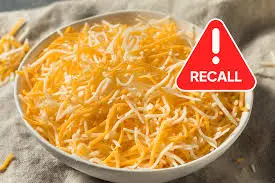
The food industry has faced numerous recalls over the years, but few hit as close to home as those involving products we commonly use in our kitchens. In 2025, a massive recall of shredded cheese products has been issued due to potential health risks, underscoring the importance of vigilance when consuming packaged foods. Adverse health effects associated with contaminated products can pose serious risks, making such recalls critical for public awareness.
Details of the Shredded Cheese Recall
The recall was initiated earlier this week following reports of contamination with Listeria monocytogenes, a bacterium that can cause serious infections in vulnerable populations, including pregnant women, infants, the elderly, and those with weakened immune systems. The affected products are manufactured by several well-known companies and distributed in grocery stores nationwide.
According to the Food and Drug Administration (FDA), the recalled shredded cheese products were sold in various brands and sizes, all bearing sell-by dates through 2025. The company first received reports of illness linked to the products and subsequently conducted an investigation that confirmed the presence of Listeria in their production facility.
What Consumers Should Do
Consumers who have purchased the affected shredded cheese products are advised to check their refrigerator and discard any items that are part of the recall. The FDA has provided an extensive list of affected products on its website, including package sizes and specific brand details. Additionally, individuals are urged to contact the store where the product was purchased for potential refunds.
Conclusion: The Significance of Awareness and Action
As the recall progresses, it is essential for consumers to remain vigilant and informed about food safety issues. Recalls like these serve as a reminder of the need for thorough food inspections and stringent safety protocols throughout the production process. As authorities continue to assess the situation, it is vital for consumers to keep abreast of updates from both the FDA and the manufacturers. For those who might have been affected, seeking medical attention is crucial if any symptoms arise. This incident not only raises concerns about food safety practices but also highlights the ongoing dialogue around public health and consumer protection in the food industry.