Introduction
Winter weather can be both beautiful and dangerous, especially when it comes to varied forms of precipitation like sleet and snow. Understanding the differences between these two types of winter weather is crucial for safety, travel planning, and weather preparedness. As climate patterns evolve, the frequency and severity of these precipitation events are becoming more relevant to the public, emphasizing the importance of being informed.
What is Sleet?
Sleet occurs when raindrops freeze into ice pellets before they hit the ground. This process typically happens when a warmer air mass lies above a colder layer of air, allowing rain to fall and subsequently freeze as it descends. Sleet often creates hazardous conditions on roadways, making driving difficult due to reduced traction and visibility. In the United States, sleet is more common during the transitional months of winter when weather systems frequently shift.
What is Snow?
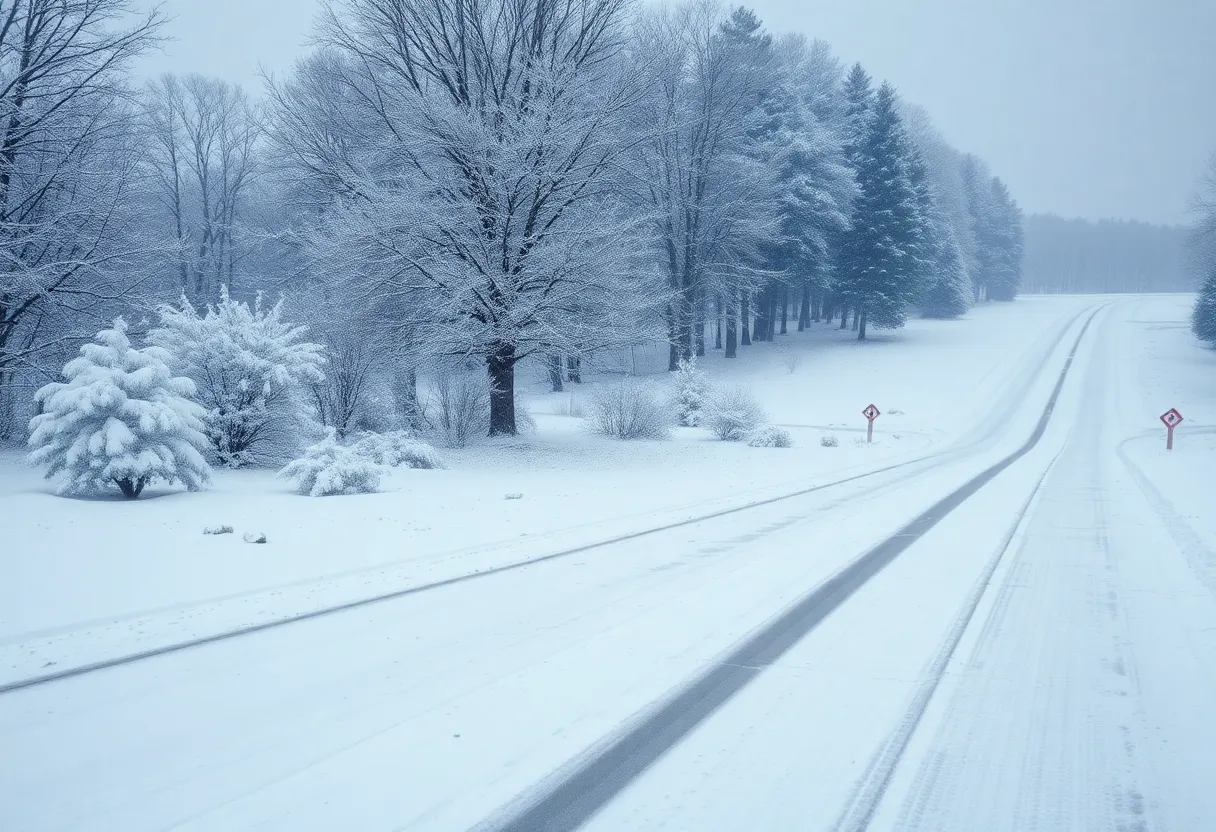
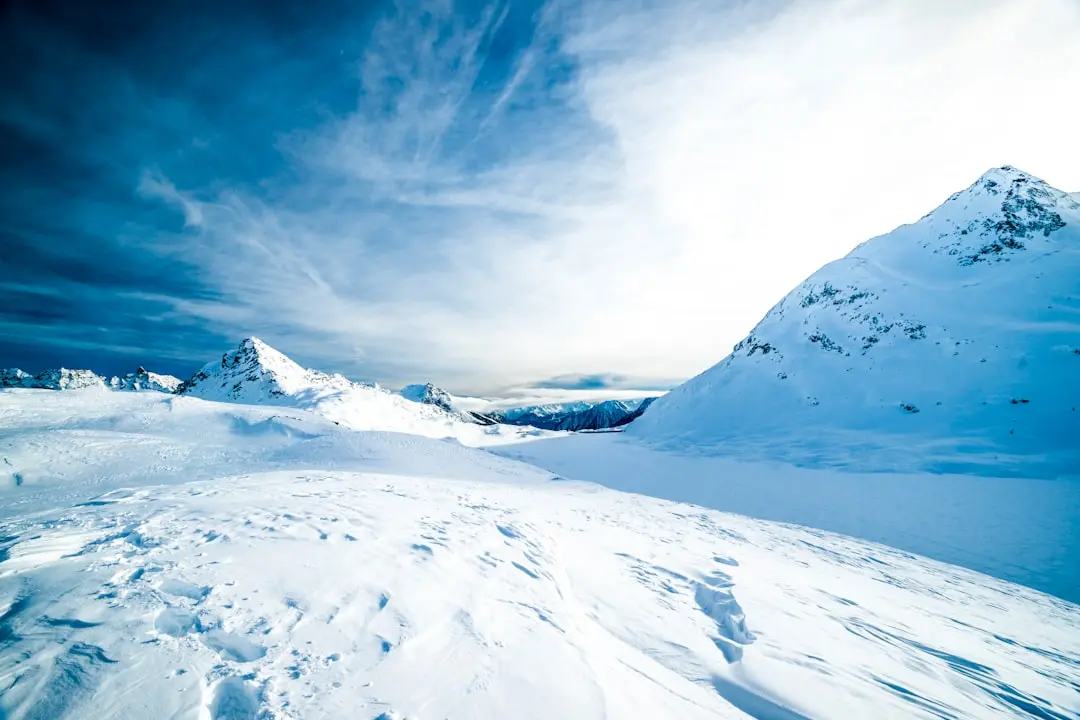
Snow, on the other hand, forms in cold conditions when water vapor in the atmosphere crystallizes into ice flakes. These flakes group together, falling to the ground as snow. Snow can accumulate significantly on the ground, affecting transportation and outdoor activities. The intensity and type of snow can vary greatly, from light flurries to heavy blizzards, each presenting different challenges and opportunities for enjoyment.
Differences Between Sleet and Snow
The primary difference between sleet and snow lies in their formation and appearance. Sleet is small, rounded ice pellets that bounce off surfaces, while snow consists of soft, fluffy flakes that create a more substantial layer on the ground. Additionally, precipitation events can often start as one form and transition into another, depending on temperature changes in the atmosphere.
Impacts and Safety Precautions
Both sleet and snow can significantly impact daily life. Sleet can create icy conditions that are particularly perilous for drivers and pedestrians alike. Snow can lead to road closures and delays, but it also provides recreational opportunities like skiing and snowboarding. To prepare for either kind of winter weather, it is essential to stay informed through local forecasts, have appropriate footwear and vehicles equipped with winter supplies, and plan travel routes that prioritize safety.
Conclusion
In summary, while sleet and snow are both forms of winter precipitation, their characteristics, formation processes, and impacts differ significantly. Awareness and understanding of these differences can aid individuals and communities in preparing for winter weather challenges. As climate patterns continue to evolve, being educated on weather phenomena like sleet and snow will become increasingly vital for public safety and well-being.