Introduction
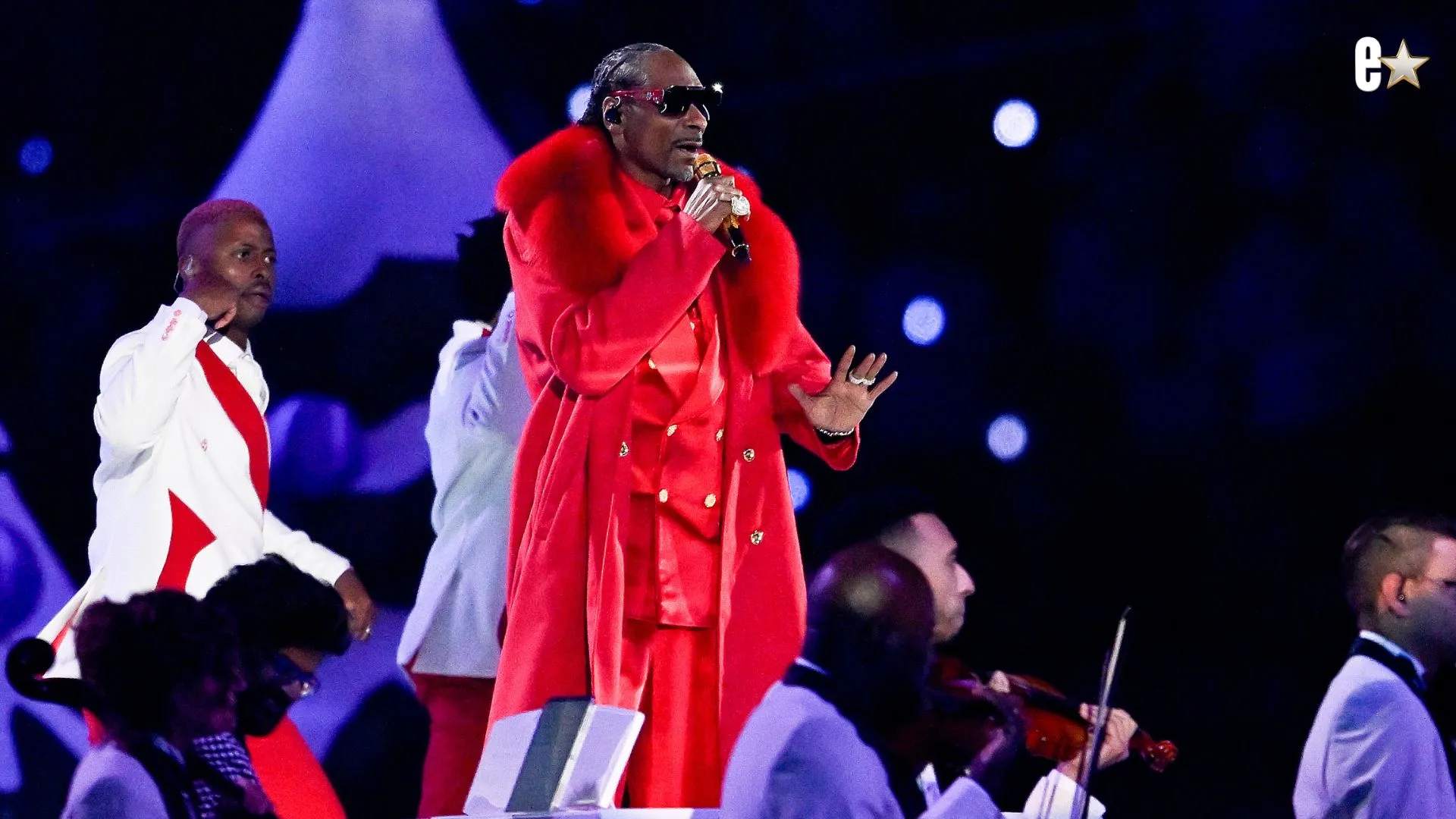
The halftime show at major sporting events has become a cultural phenomenon, showcasing musical talents and providing entertainment that resonates with millions. One of the most iconic performances of recent years was delivered by Snoop Dogg during the Super Bowl LVI in 2022. Snoop Dogg is not just a rapper but a cultural icon who has played a significant role in bringing hip-hop into the mainstream. His performance at the Super Bowl was not only entertaining but also a celebration of the genre’s enduring influence.
Details of the Performance
Snoop Dogg, along with a star-studded lineup that included Dr. Dre, Kendrick Lamar, Eminem, and Mary J. Blige, took the stage during the halftime show held at SoFi Stadium in Inglewood, California. The show marked a historic moment as it celebrated the West Coast hip-hop scene, highlighting the contributions of these legendary artists to music and culture.
With a medley of hits, Snoop Dogg opened the performance with “The Next Episode,” instantly captivating the audience with his laid-back style and iconic voice. His presence on stage, along with the elaborate set design featuring a neighborhood reminiscent of Compton, gave a nod to the roots of West Coast rap. The collaboration between the artists added layers of nostalgia, highlighting tracks that have carved their places in music history.
Cultural Impact
The significance of Snoop Dogg’s halftime show extends beyond mere entertainment. It symbolizes the evolution of hip-hop from the underground to mainstream status. The event marked a pivotal moment when the NFL acknowledged hip-hop as an essential part of American culture. The inclusion of diverse artists underscores a broader trend of inclusivity within major events, making space for voices that reflect the changing demographics of the audience.
The performance also sparked conversations about representation in entertainment, with many praising the NFL for showcasing artists of color. Since the show’s airing, discussions around the need for continued representation of various musical genres in major sporting events have gained momentum.
Conclusion
Snoop Dogg’s halftime show not only entertained millions but also served as a cultural landmark, affirming the importance of hip-hop in today’s society. As we look towards future halftime shows, there is hope and expectation for more diverse and inclusive lineups that celebrate the rich tapestry of musical talent available. The performance proved that halftime shows have the potential to be platforms for meaningful cultural expression, rather than just spectacle.