Introduction
The recent winter storm that swept across several states has caused significant disruptions, with snowfall totals reaching record levels in some areas. Understanding these snowfall totals is crucial for residents, travelers, and local authorities as they navigate the aftermath of the storm, which has brought both challenges and safety concerns.
Impact of the Winter Storm
Beginning late last week, the winter storm impacted states including Colorado, Minnesota, and New York, with blizzard conditions reported. The National Weather Service (NWS) issued numerous winter storm warnings and advisories as the storm progressed. In Colorado, some areas saw over 48 inches of snow, while parts of Minnesota reported totals nearing 36 inches. New York experienced varied totals, with the highest amounts reported in upstate regions.
Snowfall Totals by Region
- Colorado: Approximately 48 inches in the mountains, with significant totals in Boulder and Denver.
- Minnesota: Total accumulations reaching around 36 inches in Duluth, disrupting transportation and daily activities.
- New York: Upstate New York areas received 30 inches, while New York City faced minimal impact with about 4 inches.
Consequences and Response
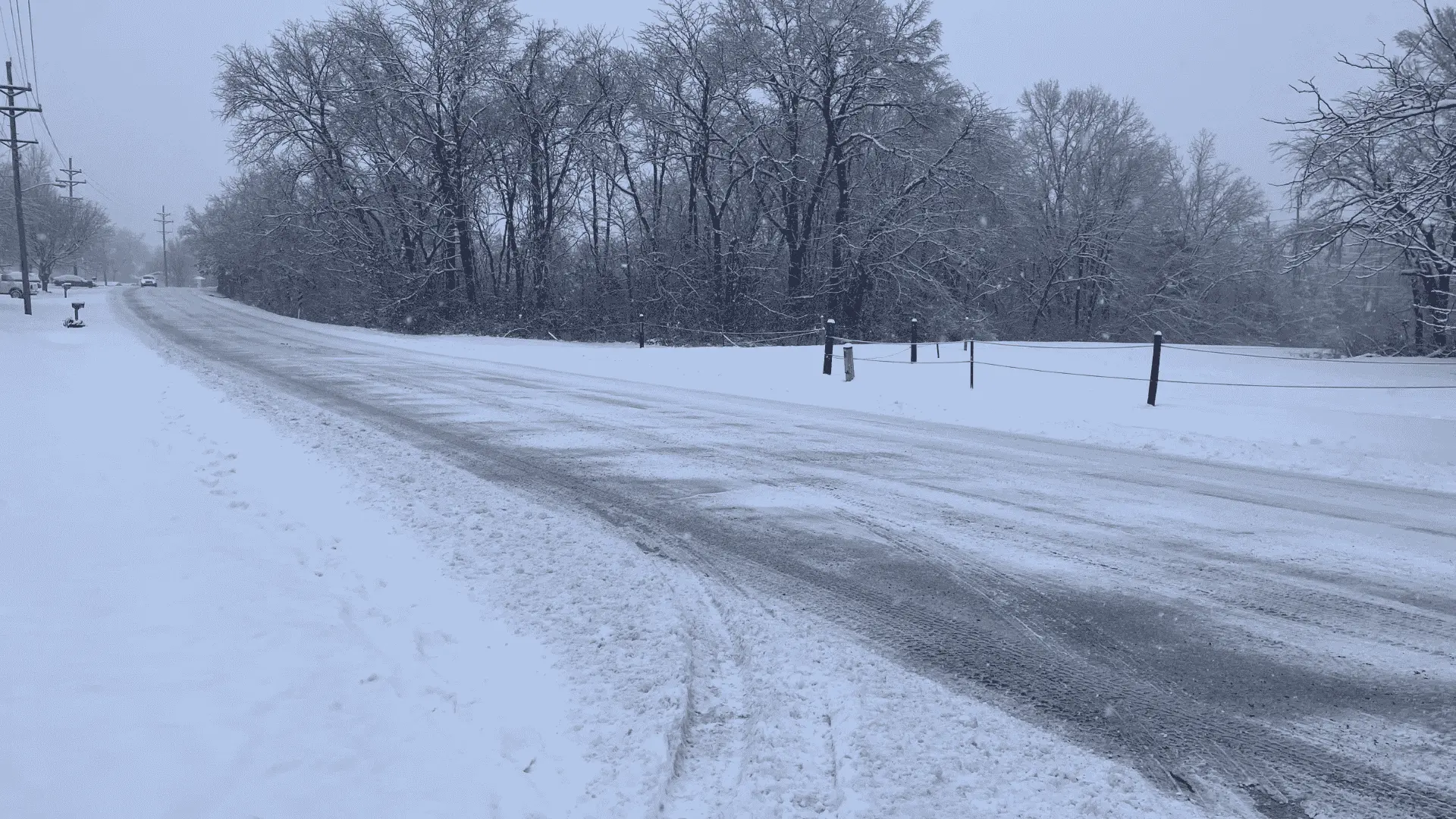
The heavy snowfall led to numerous road closures and flight cancellations across affected regions. States are deploying snow removal teams to clear highways and restore accessibility. Additionally, local shelters and emergency services have been activated to assist residents stranded due to hazardous conditions.
Conclusion
As cleanup efforts continue, it is vital for communities to remain informed about road conditions and safety advisories. Forecasts suggest potential follow-up storms this winter season, as climate patterns evolve. Understanding snowfall totals and their implications is essential for preparedness and response strategies, underscoring the importance of monitoring local weather updates regularly.