Background of the Case
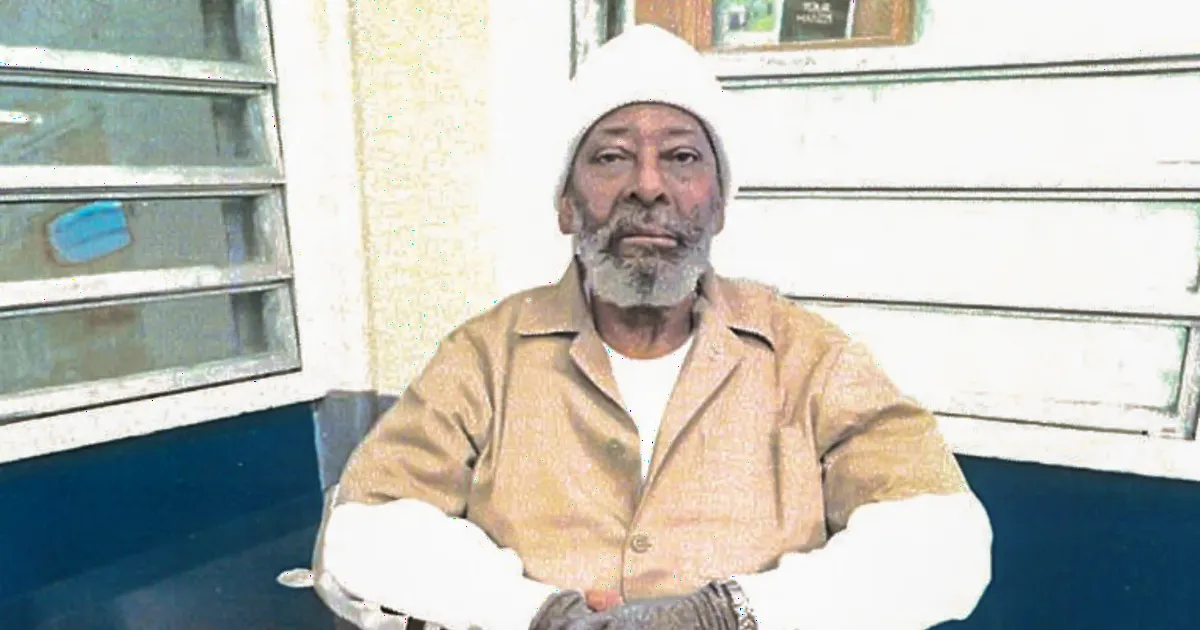
Charles Sonny Burton was convicted in 1992 for the capital murder of Doug Battle during a robbery in Talladega, Alabama. Under the felony murder doctrine, which holds all participants in a felony equally responsible for any killings that occur during the crime, Burton was sentenced to death despite not being the triggerman. The actual shooter, Derrick DeBruce, received a life sentence without parole. Over the years, Burton’s conviction and sentence have been reviewed at least nine times without being overturned, leading to a prolonged legal battle.
Shifting Expectations
As of early 2026, Burton’s execution was scheduled for March 10, 2026, by nitrogen gas, a method that has raised ethical concerns. However, a significant shift occurred when public pressure mounted against his execution. A petition with 67,000 signatures was delivered to Alabama Governor Kay Ivey, urging her to halt the execution. This growing public sentiment, coupled with the support from six of the eight living jurors from Burton’s trial, created a decisive moment in the case.
The Decisive Moment
On March 10, 2026, Governor Kay Ivey announced the commutation of Burton’s death sentence to life in prison without parole. Ivey stated, “I cannot proceed in good conscience with the execution of Mr. Burton under such disparate circumstances,” highlighting the moral complexities surrounding the case. She further emphasized, “I believe it would be unjust for one participant in this crime to be executed while the participant who pulled the trigger was not.” This marked only the second death sentence commuted by Ivey during her tenure, which has included overseeing 25 executions.
Immediate Effects
The commutation has had immediate effects on the parties involved. For Burton, now 75 years old, the decision means he will spend the remainder of his life in prison rather than facing execution. For the family of Doug Battle, the decision has been met with mixed feelings. While some family members supported the commutation, acknowledging the complexities of the case, others, including Alabama Attorney General Steve Marshall, expressed that there is no doubt about Burton’s culpability, stating, “There has never been any doubt that Sonny Burton has Douglas Battle’s blood on his hands.”
Expert Perspectives
Legal experts have noted that Burton’s case exemplifies the challenges within the justice system regarding the application of the death penalty. The commutation reflects a growing recognition of the disparities in sentencing among co-defendants in capital cases. The support from a representative of the Battle family and the Alabama Attorney General for the commutation indicates a shift in how such cases may be viewed in the future, potentially influencing similar cases across the state.
The public’s reaction to the commutation has been largely supportive, with many viewing it as a victory for justice and fairness. The successful petition and the involvement of jurors from the original trial demonstrate a significant change in public sentiment regarding the death penalty, particularly in cases where the defendant did not directly commit the act of murder. This shift may encourage further discussions on the morality and legality of capital punishment in Alabama and beyond.
Looking Ahead
As the legal landscape continues to evolve, Burton’s case may serve as a pivotal example of the complexities surrounding the death penalty. The commutation not only alters the course of Burton’s life but also raises important questions about justice, accountability, and the role of public opinion in the legal system. While Burton’s execution has been halted, the broader implications of this case will likely resonate within the community and the legal framework for years to come.