Final Stage Adjustments
The final stage of the Tour de France has been rerouted and shortened due to ongoing wildfires in France, particularly affecting the south-west region. This decision comes as emergency services are fully mobilized to combat the blazes, leading to a redeployment of security personnel who would typically ensure the safety of the race. The Amaury Sport Organisation (ASO), the race organizers, announced the changes, citing “exceptional circumstances.”
Originally planned for 133 kilometers, the stage 21 will now cover 89km and will take place entirely within Paris’ city limits. The stage is scheduled to begin at 5:50 p.m. local time (11:50 ET) and conclude around 7:45 p.m. local time (1:45 p.m. ET). The start in Thoiry has been removed from the route, though fans in Thoiry will still have the opportunity to see the caravan and the teams’ presentation before riders are transported to Paris.
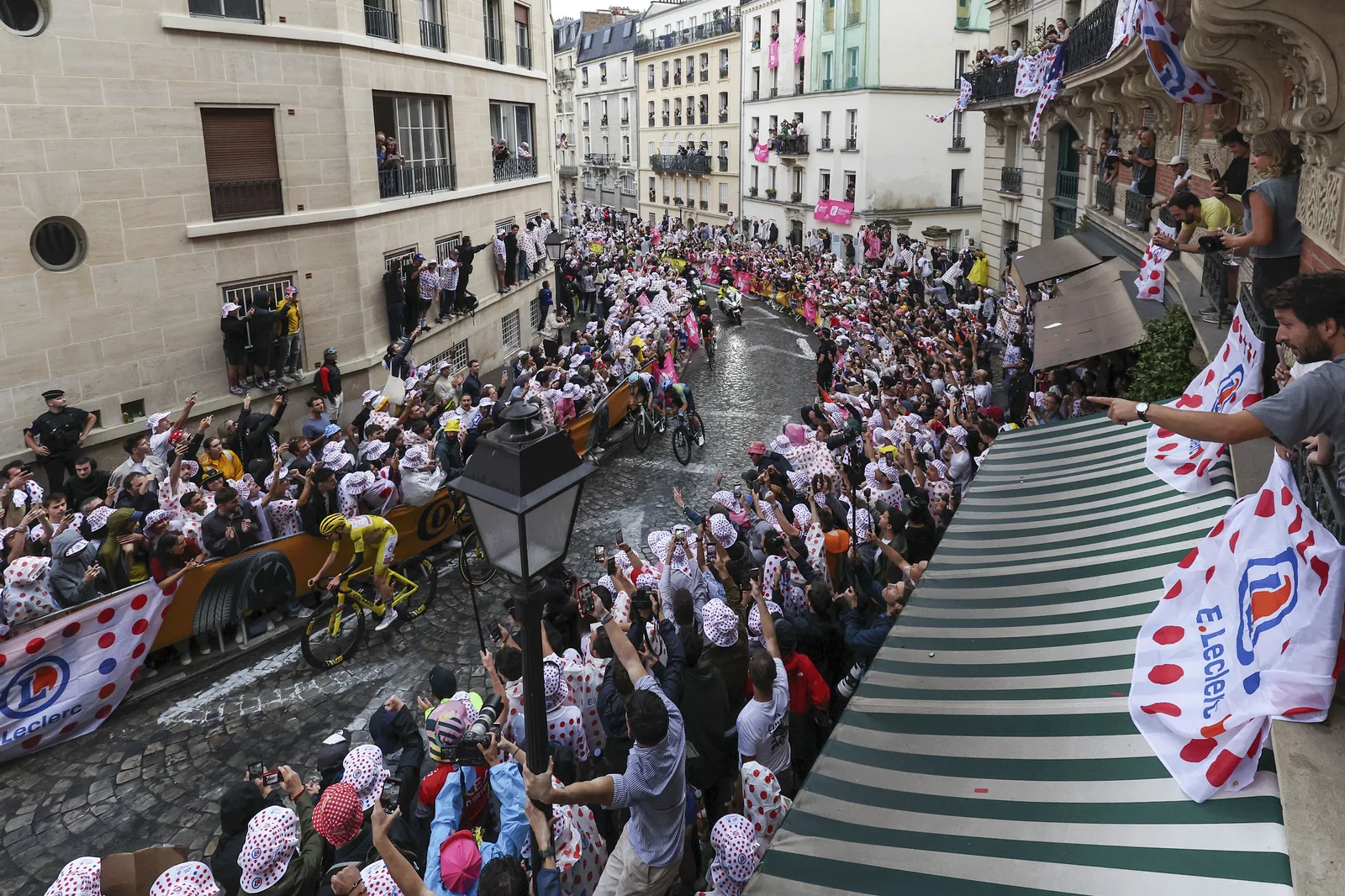
The rerouting means the stage will feature two additional circuits of the Champs-Élysées. Despite these changes, the three laps of the circuit that include the climb up Montmartre will remain part of the route. This adjustment aims to maintain the competitive aspect of the final stage while accommodating the critical need for emergency and internal security forces in affected areas.
Impact of Wildfires on Race Security
A statement from the ASO detailed the reasons behind the route modification. It highlighted that numerous wildfires are currently impacting France, with the Gironde region being particularly affected. This situation has necessitated the full mobilization of emergency services to manage the fires, and internal security forces are actively working to secure the affected areas and protect the population.
The Ministry of Interior made the decision to redeploy a portion of the internal security forces initially assigned to the Tour de France. This redeployment is intended to bolster response efforts in the regions battling the wildfires. The organizers emphasized that this decision was made “in the spirit of national solidarity with the affected regions and populations.”
This is not the first instance of wildfires impacting the current Tour de France. Earlier in the race, fans were advised against attending the final 40km of stage three, which was near the Spanish border. This earlier measure was also implemented to reduce pressure on emergency services in that region, underscoring the widespread nature of the crisis.
Changes to the Montmartre Finish
The inclusion of the Montmartre climb in the final stage has added a new layer of complexity to what was traditionally a ceremonial procession. Last year, Tadej Pogacar finished second on the Champs-Élysées after being outpaced by Wout van Aert on the final ascent of Montmartre. This year, the climb is positioned 12km from the finish line, a change from its previous placement of six kilometers from the finish.
This strategic alteration was planned independently of the recent rerouting and aims to create more opportunities for sprinters in the final moments of the race. The full three laps over Montmartre will still be completed, ensuring that this key feature remains a challenging element of the stage. The additional kilometers between the descent from Montmartre and the finish line are expected to open up the race, potentially leading to a more dynamic conclusion.
The Prefect of Police and the Director of the Tour de France have acknowledged the dedication of those involved in fighting the wildfires. They also expressed their solidarity with the affected communities and thanked the riders, teams, local authorities, partners, and the public for their understanding regarding these necessary exceptional measures. The final stage will still conclude with the traditional passage down Paris’ Champs-Élysées, via a finishing circuit on the iconic Montmartre.
Rain is also forecast for Sunday in Paris, raising questions about whether similar safety measures, such as neutralizing general classification timings, might be implemented as they were last year due to wet conditions.
Source: nytimes.com