Introduction
In an increasingly interconnected world, reliable internet access has become essential for education, business, and communication. However, vast areas, particularly in rural and remote locations, remain underserved by traditional broadband services. Enter Starlink Internet, an ambitious project developed by SpaceX aimed at providing high-speed satellite internet globally, regardless of geography. This innovative service not only has the potential to bridge the digital divide but also represents a significant technological advancement for both urban and rural users.
What is Starlink Internet?
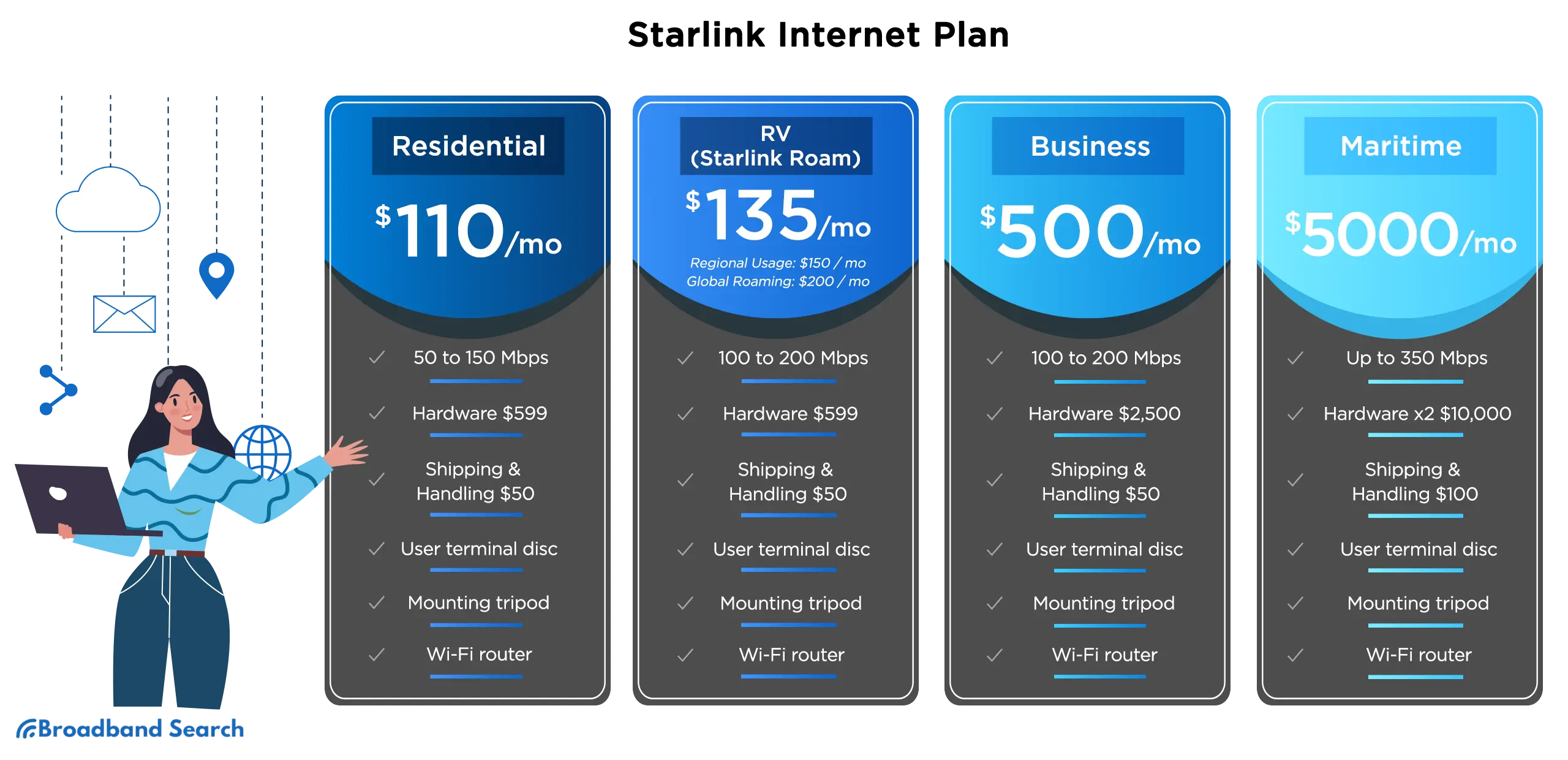
Starlink is a satellite internet constellation being constructed by SpaceX, consisting of thousands of small satellites in low Earth orbit (LEO). The service is designed to provide satellite internet access to underserved areas around the world and aims to achieve global coverage. After launching its beta program in late 2020, Starlink quickly gained attention for its speeds commonly reaching between 50 to 150 Mbps, with latency lower than traditional satellite internet services.
Current Developments
As of October 2023, Starlink has expanded its service to over 40 countries, including significant deployments in parts of Africa, Latin America, and Europe, in addition to its established presence in North America. The company has continued to improve its technology, with recent updates increasing user throughput and reducing service interruptions. SpaceX recently announced plans to launch additional satellites, with the goal of enhancing network capacity and minimizing latency even further.
Impacts on Society
The rollout of Starlink has sparked discussions on the implications of satellite internet for digital equity. By providing access in previously inaccessible areas, Starlink can support remote learning, telehealth, and small businesses, potentially revitalizing local economies. Additionally, during emergencies, such as natural disasters where ground infrastructure may fail, Starlink can maintain connectivity, thus becoming a crucial tool for response efforts.
Challenges Ahead
Despite its promise, Starlink faces several challenges. The reliance on satellites raises concerns regarding space debris, and there are ongoing discussions about regulatory issues in various countries. Competition with other satellite internet providers and traditional ISPs also poses a challenge as they seek to maintain a foothold in the market.
Conclusion
Starlink Internet presents an intriguing solution to the longstanding issue of internet access inequality. As it continues to expand and innovate, it may redefine how people connect, allowing users worldwide to thrive in a digital-first society. Moving forward, monitoring the balance between technological advancement and responsible space management will be crucial for the sustainability of this initiative.