Introduction
Stellantis, the multinational automotive company formed from the merger of Fiat Chrysler Automobiles and Groupe PSA, has become a significant player in the global auto industry. With a diverse portfolio of 14 brands, including Jeep, Dodge, Peugeot, and Citroën, Stellantis has set ambitious goals for electrification and sustainability within the rapidly evolving automotive landscape. As concerns over climate change and emissions intensify, Stellantis’ strategic decisions bear considerable importance for both consumers and the industry’s future.
Recent Innovations
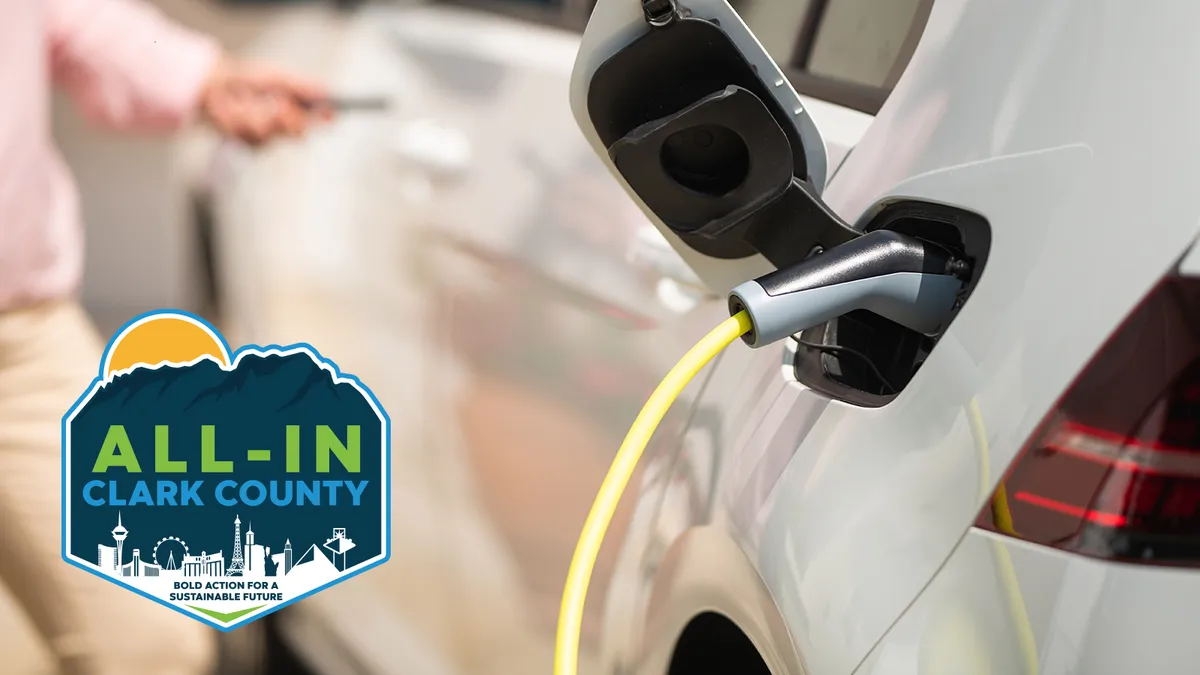
Stellantis has recently unveiled its roadmap for electrification, which includes plans to invest over €30 billion in electrification and software development by 2025. A notable highlight is the introduction of the new STLA electric platforms, aimed at accelerating the rollout of electric vehicles across its brands. By 2030, Stellantis aims for a 70% reduction in CO2 emissions per vehicle in North America and Europe compared to 2020 levels. This positions them competitively in the growing market for electric vehicles (EVs).
In addition to EVs, Stellantis is leveraging advanced technologies such as autonomous driving and connectivity features. The company’s technology initiative, called ‘Stellantis Software Organization’, is poised to enhance vehicle performance and user experience. The first applications of these technologies are already seen in models like the new Jeep Grand Cherokee, which integrates advanced driver assistance systems.
Global Challenges and Market Trends
Stellantis faces mounting challenges in the automotive industry, notably supply chain disruptions and a global semiconductor shortage affecting production capacity. In recent months, Stellantis has been forced to adjust production targets, impacting deliveries and sales across several key markets.
Additionally, the competition in the EV space is heating up. Traditional automakers and new entrants alike are racing to capture market share. Stellantis’ strategy to focus on electrification is crucial but must be balanced with the demand for internal combustion vehicles in certain global markets, particularly in North America and parts of Asia.
Conclusion
As Stellantis forges ahead, its commitment to sustainability and innovation will be vital for its long-term success. The company’s ability to navigate current challenges while meeting consumer demands for greener options will dictate its market position in the coming years. Future forecasts suggest that while Stellantis may encounter obstacles, its robust portfolio and strategic investments in EV technology position it well for the ongoing transformation of the automotive industry. For consumers and stakeholders alike, understanding Stellantis’ trajectory will be essential as the automotive landscape continues to evolve.