Introduction
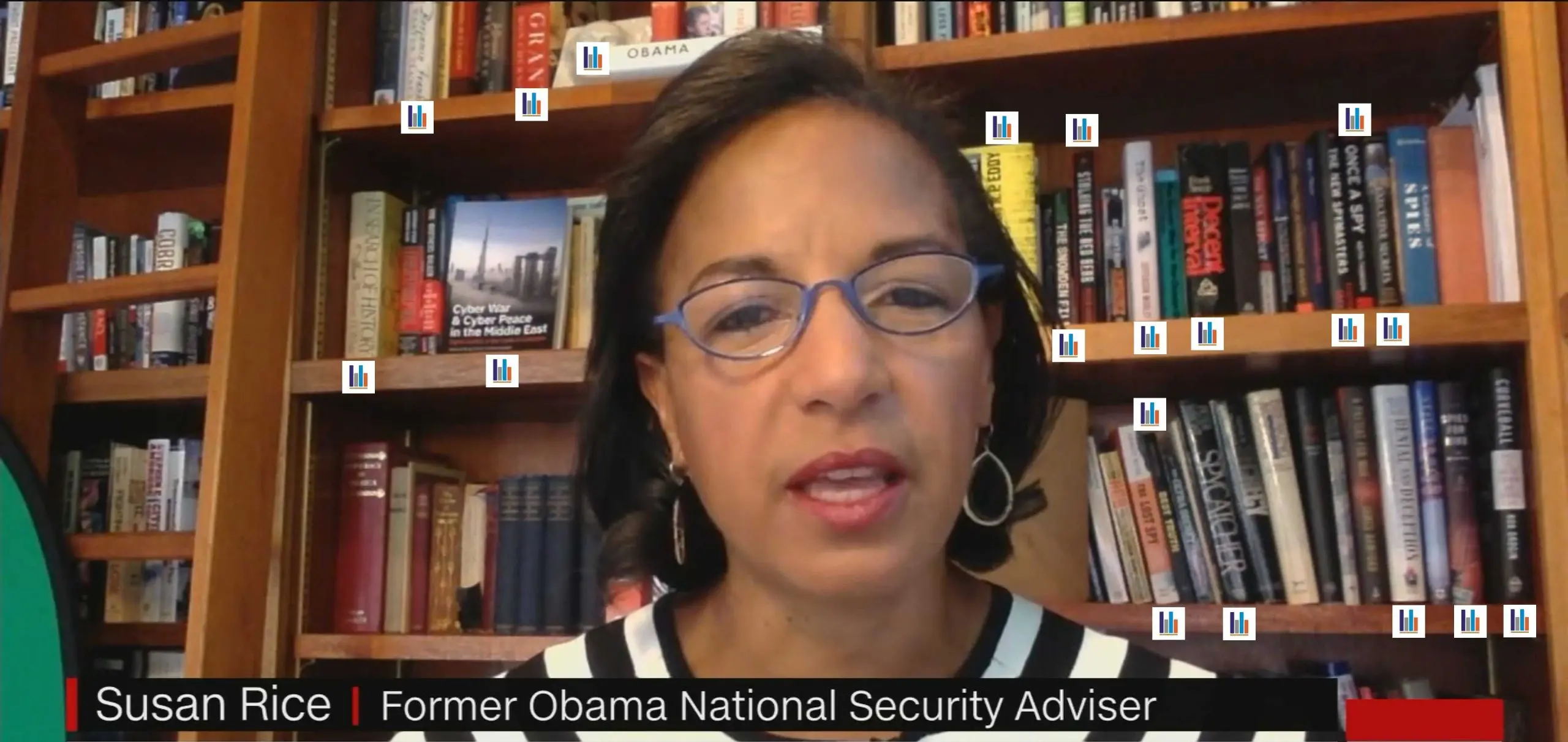
Susan Rice has emerged as one of the most influential figures in U.S. politics and foreign policy over the last decade. As a former National Security Advisor and U.N. Ambassador, Rice’s expertise and decision-making have shaped significant aspects of American diplomacy and international relations. Her recent appointment to a senior advisory role in the Biden administration further underscores her importance in current U.S. governance.
Early Life and Career
Born in Washington D.C. in 1964, Susan Rice attended Stanford University, where she earned a bachelor’s degree in History. She later received a Rhodes Scholarship to study at Oxford University, where she earned a DPhil in International Relations. Rice’s career began in the 1990s in the Clinton administration, where she served in various roles, including as Assistant Secretary of State for African Affairs.
Impact as National Security Advisor
Serving as National Security Advisor from 2013 to 2017 under President Barack Obama, Rice was integral in shaping U.S. foreign policy during a pivotal time. She played a critical role in the administration’s response to complex situations in Syria, Libya, and the fight against ISIS. Her involvement in the Iran nuclear deal was particularly noteworthy, demonstrating her ability to navigate complex international agreements.
Current Role and Contributions
In May 2021, Susan Rice was appointed as Director of the Domestic Policy Council under President Joe Biden, marking a significant shift in focus from foreign to domestic issues, including health, economic equity, and infrastructure. Her expansive experience in foreign affairs is seen as a vital asset as the Biden administration aims to balance international and domestic priorities amid ongoing global challenges such as climate change and the COVID-19 pandemic.
Future Outlook
Susan Rice’s career trajectory suggests ongoing significance in U.S. political discourse. As a prominent figure advocating for policies that address systemic inequality and health care access, her work will likely influence key debates in the lead-up to the 2024 elections. Her ability to bridge the gap between domestic concerns and international themes places her in a unique position to impact a range of policies moving forward.
Conclusion
In summary, Susan Rice’s multifaceted career and recent return to senior government roles illustrate her indispensable role in shaping U.S. policy both at home and abroad. As the nation faces numerous challenges, her influence will be critical in navigating the complexities of governance in today’s rapidly changing world.