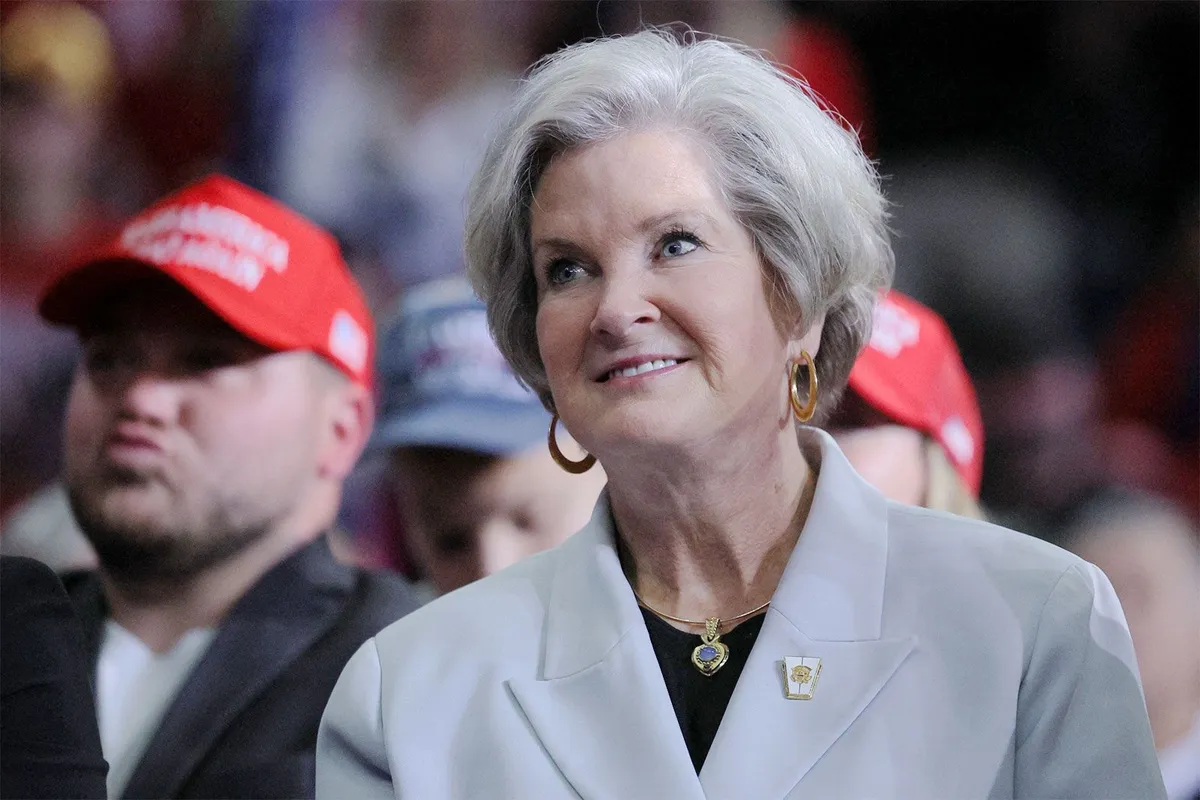
Before the recent announcement, Susie Wiles was recognized as a pivotal figure in Donald Trump’s administration, serving as the first woman to hold the position of White House chief of staff since the beginning of Trump’s second term. Her leadership was instrumental in overseeing Trump’s successful 2024 presidential campaign, and she was widely regarded for her political acumen and dedication.
However, on March 16, 2026, Wiles revealed a significant personal challenge: she has been diagnosed with breast cancer. This announcement came via a post from Donald Trump on Truth Social, marking a decisive moment in her career and personal life.
The cancer was detected early, and Wiles has expressed a strong prognosis, with a five-year survival rate for early-stage breast cancer estimated at around 90%. Despite the diagnosis, Wiles has committed to continuing her role at the White House, stating, “I am grateful to have an outstanding team of doctors who detected the cancer early and are guiding my care, and I am encouraged by a strong prognosis.”
Wiles, who is 68 years old, will be spending virtually full time at the White House during her treatment. This decision underscores her dedication to her responsibilities, even in the face of health challenges. Donald Trump praised her resolve, stating, “Her strength and her commitment to continue doing the job she loves, and does so well, while undergoing treatment, tells you everything you need to know about her.”
The immediate effects of this announcement have been felt throughout the White House and beyond, as colleagues and supporters rally around Wiles during this challenging time. Her experience serves as a reminder of the resilience required in high-stakes political environments.
Experts highlight the importance of early detection in cancer treatment, which has played a crucial role in Wiles’ situation. The support from her medical team and the administration reflects a broader commitment to health and well-being in the workplace.
As Wiles navigates her treatment, she has expressed gratitude for the encouragement she has received, particularly from President Trump. “I am also deeply thankful for the support and encouragement of President Trump as I undergo treatment and continue serving in my role as White House Chief of Staff,” she noted.
This development not only impacts Wiles personally but also raises awareness about health issues faced by individuals in leadership positions. As she continues her work, her story may inspire others facing similar challenges.
Details remain unconfirmed regarding the specifics of her treatment plan, but Wiles’ determination to maintain her role during this period is clear.