Introduction
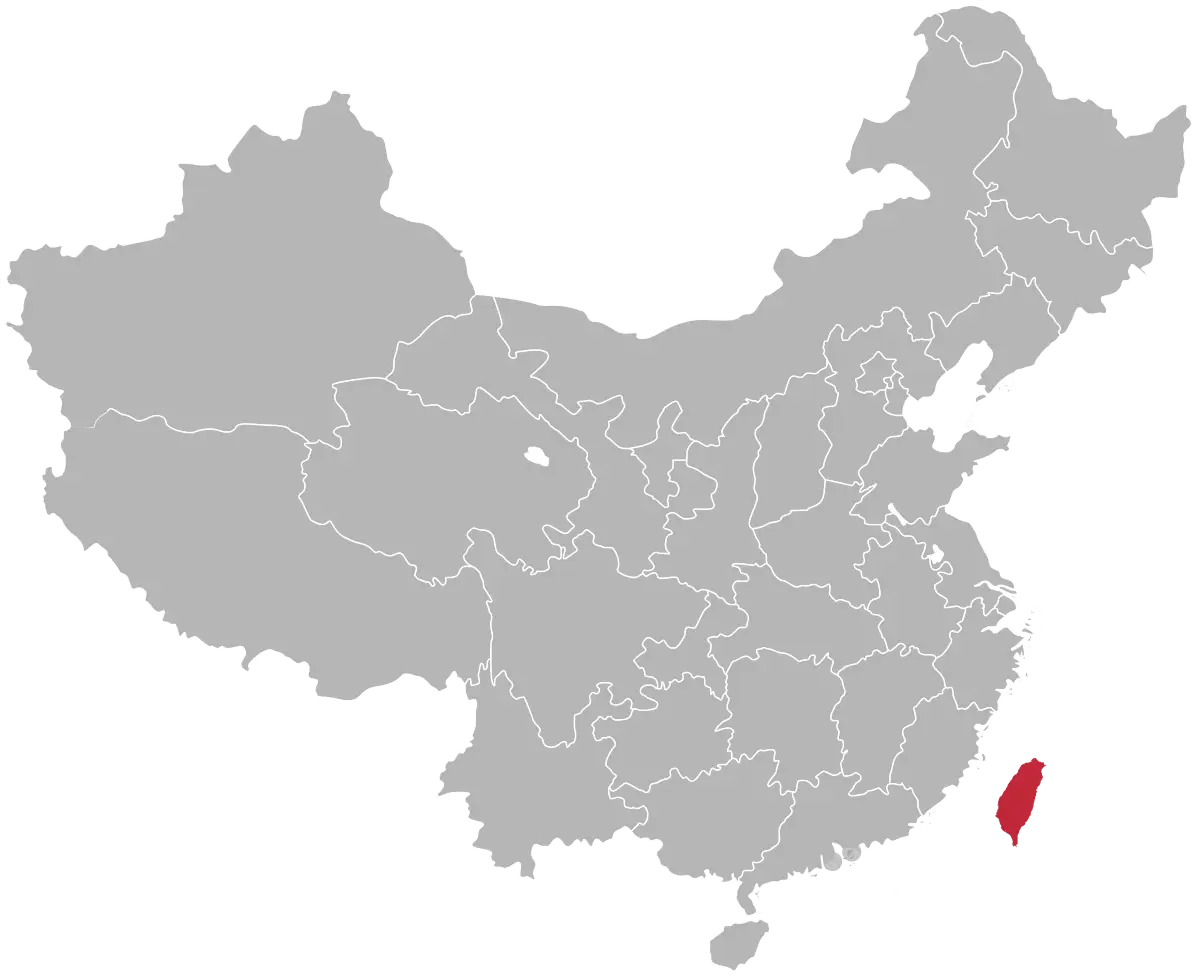
Taiwan, officially known as the Republic of China (ROC), plays a pivotal role in global affairs due to its strategic location and burgeoning technological industry. As tensions escalate between China and the West, Taiwan finds itself in the spotlight, not only as a center for economic innovation but also as a critical point of geopolitical interest.
Current Events in Taiwan
In recent months, Taiwan has faced increased military pressure from China, which claims the island as part of its territory. The Taiwanese government reported a significant rise in incursions by Chinese military aircraft into its air defense identification zone (ADIZ). In response, Taiwan’s President Tsai Ing-wen has called for enhanced defense capabilities and a stronger partnership with global allies, particularly the United States and Japan, to ensure Taiwan’s security.
The Biden administration has expressed its commitment to defend Taiwan, further complicating Sino-American relations. Recent arms sales to Taiwan and joint military exercises with U.S. forces have heightened tensions in the region. In a recent development, U.S. military officials indicated there might be plans for a more permanent U.S. military presence in the region, which could reinforce Taiwan’s defense programs.
Economic Significance
Taiwan is renowned for its semiconductor industry, leading the global supply chain for chips critical to various sectors, including computing and automotive. With the ongoing global chip shortage, Taiwan’s TSMC (Taiwan Semiconductor Manufacturing Company) has become a key player in technology and manufacturing. This economic prowess adds another layer to Taiwan’s importance on the world stage, prompting nations to engage strategically with Taiwan for economic collaboration.
Conclusion
As tensions continue to mount between China and Taiwan, the island entity’s geopolitical importance cannot be overstated. Taiwan’s robust economy and strategic location make it a focal point in U.S.-China relations and broader Asian politics. Looking to the future, Taiwan’s situation may prompt new diplomatic strategies and interventions not only from China and Taiwan but also from influential global powers seeking stability in the Indo-Pacific region. Observers and policymakers will need to closely monitor the developments in Taiwan as they unfold, given the implications that they hold for international stability and security.