How it unfolded
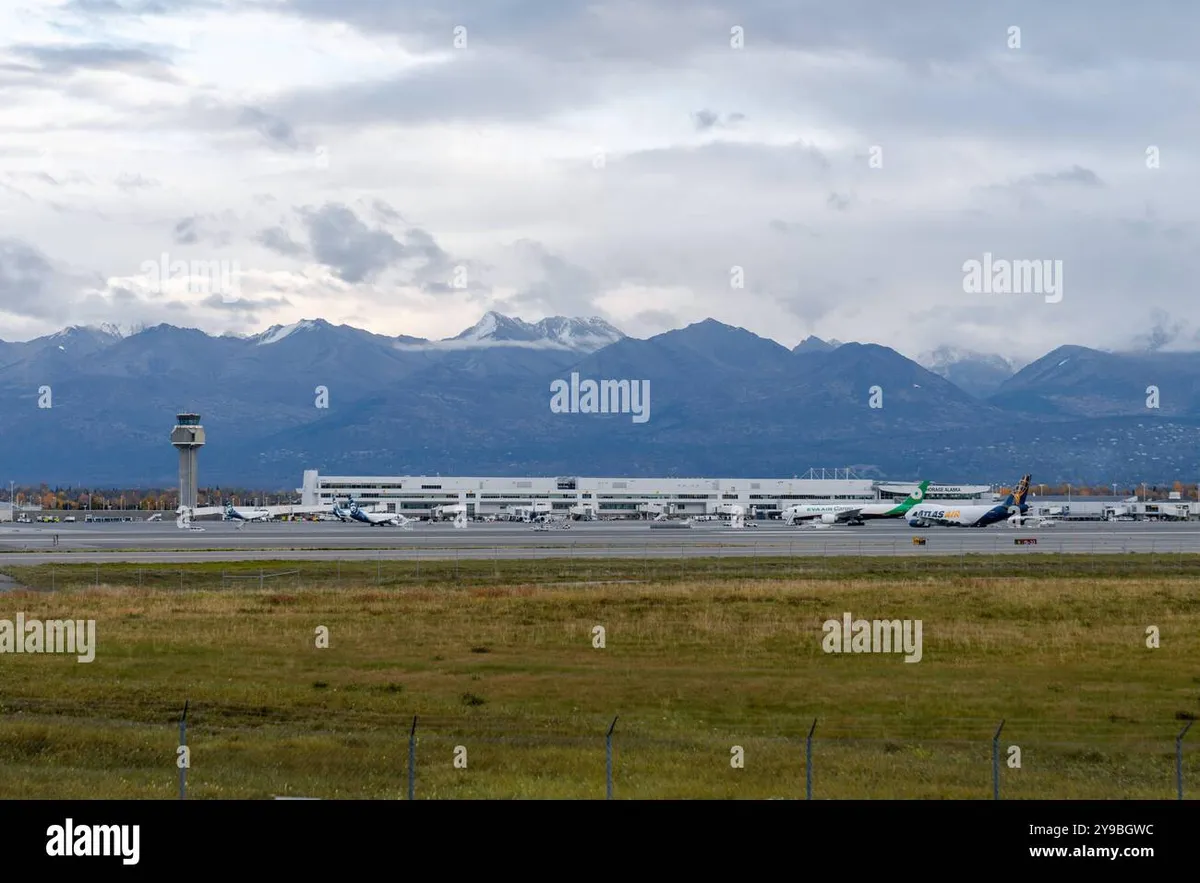
In early April 2026, Ted Stevens Anchorage International Airport in Anchorage, Alaska, found itself grappling with a series of flight disruptions. These issues were exacerbated by a combination of rising fuel prices and the lingering effects of a severe blizzard that had swept across North America in March 2026. As airlines struggled to maintain their schedules, the operational reliability of the airport came into question.
On April 6, Delta Air Lines announced it would be scrapping its scheduled summer flights from Los Angeles to Anchorage, citing the significant increase in jet fuel prices, which had surged to between $150 and $200 per barrel. This decision reflected a broader trend within the airline industry, where rising operational costs have forced carriers to reevaluate their routes and services.
As the day progressed, the situation at Ted Stevens Anchorage International Airport worsened. The airport cautioned travelers that slush, ice, and deicing operations could lead to further delays. By mid-morning, inbound flights were experiencing an average delay of 36 minutes, according to FlightAware, with at least 24 flights delayed and 7 canceled by the end of the day. Alaska Airlines reported multiple late departures and cancellations on its routes from Anchorage to Seattle and Los Angeles.
The impact of the March blizzard was still being felt, contributing to widespread flight disruptions across the country, including at Anchorage. Airlines were struggling to recover from the backlog of canceled and delayed flights, further complicating travel plans for many passengers. Rigas Doganis, an aviation expert, remarked, “Airlines face an existential challenge,” highlighting the precarious situation that airlines find themselves in as they navigate these turbulent times.
In light of these challenges, Alaska Air Group revised its first-quarter forecast, indicating a deeper adjusted loss than previously anticipated due to the higher jet fuel prices. A major financial firm responded by reducing its price target for Alaska Air Group stock from $70 to $60 per share, reflecting the market’s concerns over the airline’s financial health amid rising operational costs.
As the situation at Ted Stevens Anchorage International Airport continues to evolve, the uncertainties surrounding the impact of rising fuel prices on future flight schedules and operations remain unclear. Travelers are advised to stay informed about their flight statuses and prepare for potential disruptions as airlines adjust to the changing economic landscape.
Details remain unconfirmed regarding how long these disruptions will last and whether airlines will implement further changes to their schedules in response to the ongoing challenges. The airport and airlines are working to mitigate the effects of these disruptions, but the situation remains fluid as they adapt to the current environment.