Introduction
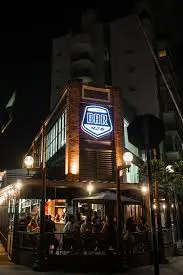
The bar has historically been a significant establishment in societies around the world, serving as a meeting point for friends, colleagues, and strangers alike. With the resurgence of social interactions following the pandemic, bars are once again playing an essential role in community life, fostering communication, camaraderie, and shared experiences. As cultural landmarks, bars reflect societal trends and preferences, making them a focal point for examining modern social dynamics.
The Evolution of Bars
Bars have transformed dramatically over the decades. Gone are the days of simple watering holes; today, bars come in various styles, from upscale cocktail lounges to rustic neighborhood pubs. Current trends indicate that many bars are integrating culinary experiences into their offerings, boasting innovative menus that feature craft cocktails and locally-sourced ingredients. As of 2023, according to a National Restaurant Association report, about 55% of bars promoted craft cocktails, showcasing a significant pivot towards quality and creativity.
Bars as Community Spaces
Bars have also evolved into venues that host cultural events, live music, and art showcases, contributing to the local community spirit. Events such as trivia nights, open-mic competitions, and art openings have become staples, emphasizing the bar’s role as a cultural facilitator. A survey by the American Bar Association shows that 65% of patrons believe bars strengthen community connections by providing a space for gathering and engaging with local culture.
The Impact of Technology
The introduction of technology into the bar scene has also reshaped customer experiences. With mobile apps for ordering, loyalty programs, and digital payment solutions, bars are adapting to cater to a more tech-savvy consumer base. Additionally, the rise of social media platforms allows bars to market themselves and engage with customers more effectively, further enhancing their role in community building. As reported by a marketing agency, bars utilizing social media see a 30% increase in patronage compared to those that do not.
Conclusion
The significance of the bar in contemporary society cannot be overstated. It serves not only as a place to enjoy a drink but also as a vital social hub that fosters communication, community engagement, and cultural appreciation. As we move forward, the role of bars will likely continue to evolve, adapting to societal changes and preferences. For readers, embracing the local bar scene can enhance social experiences and strengthen community ties, making it an integral part of modern life.