Introduction
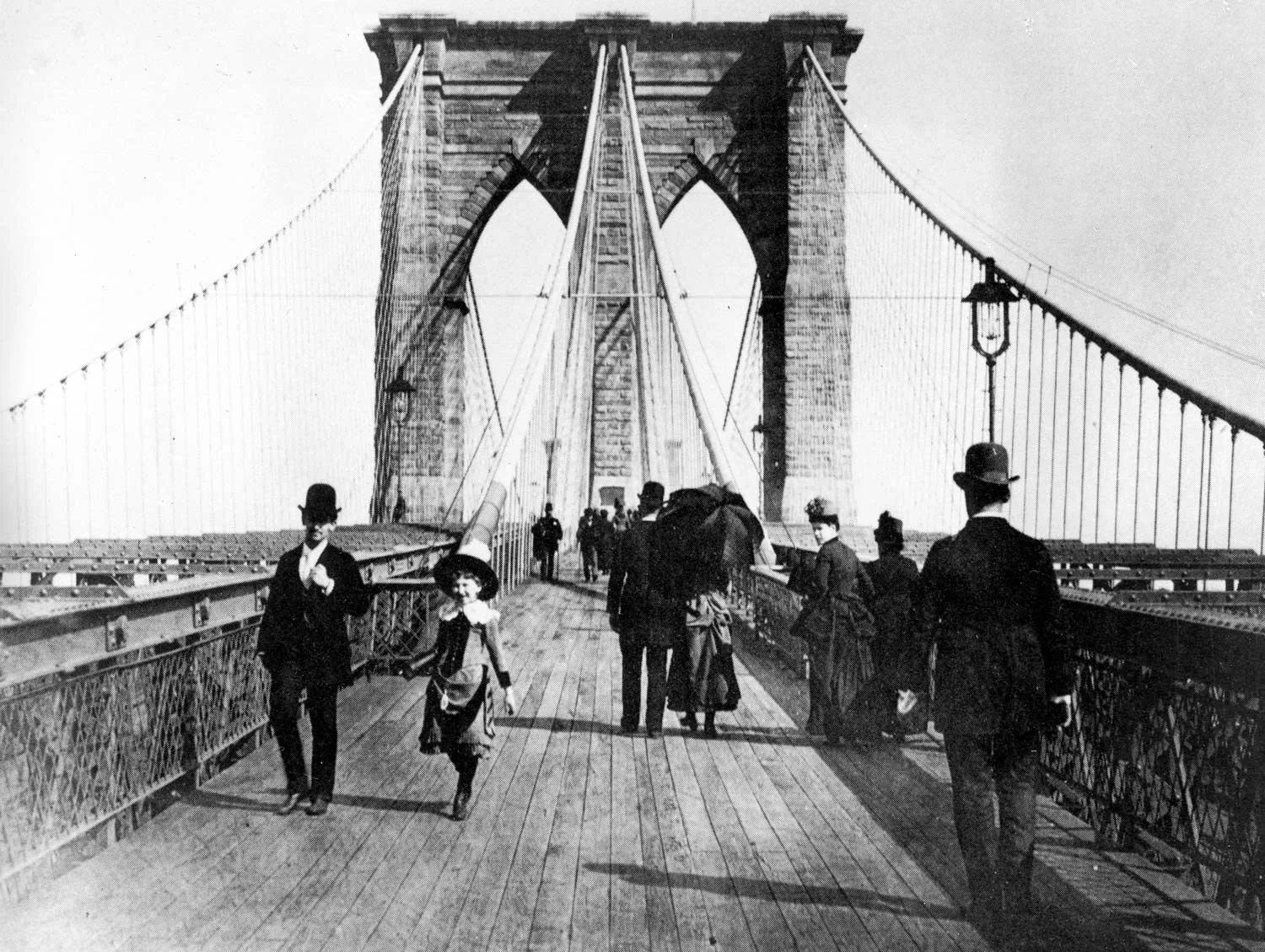
The Brooklyn Bridge, an iconic symbol of New York City, is more than just a functional structure; it represents the ingenuity of engineering and the enduring spirit of the city. Spanning the East River, the bridge connects the boroughs of Manhattan and Brooklyn and has become a major tourist attraction, drawing millions of visitors each year. Its historical significance and architectural beauty make it a vital topic of interest for both locals and tourists alike.
Historical Significance
Opened in 1883, the Brooklyn Bridge was the first steel-wire suspension bridge ever constructed. Designed by John A. Roebling, it took 14 years to complete and was a monumental achievement of its time. The bridge was designed to improve transportation and promote trade between Manhattan and Brooklyn, which was then a separate city. In the years since its opening, the Brooklyn Bridge has stood as a testament to progress and has become a revered symbol of New York City’s resilience.
Recent Developments
In recent years, the Brooklyn Bridge has witnessed various updates and events aimed at preserving its structure and enhancing the visitor experience. In 2023, the New York City Department of Transportation announced a multi-million dollar project focused on restoring the bridge’s pedestrian pathways and upgrading the lighting systems. These improvements are part of a broader initiative to ensure safety and accessibility for the millions of pedestrians and cyclists who use the bridge annually.
Cultural Impact
The Brooklyn Bridge has also significantly influenced art, literature, and popular culture. It has appeared in numerous films, TV shows, and artworks, contributing to its recognition beyond just a physical structure. Recent events, such as art installations and public performances held on the bridge, continue to engage the community and enhance its status as a cultural hub.
Conclusion
The ongoing preservation efforts of the Brooklyn Bridge reflect its lasting importance to New York City. As an architectural wonder and a cultural landmark, it serves as a reminder of the city’s history and its dynamic future. Looking ahead, the implementation of restoration projects is expected to not only maintain the bridge’s structural integrity but also ensure that it remains a cherished site for generations to come. For visitors planning to experience this iconic landmark, it stands as a vibrant link between the past and present of the bustling metropolis.