Introduction
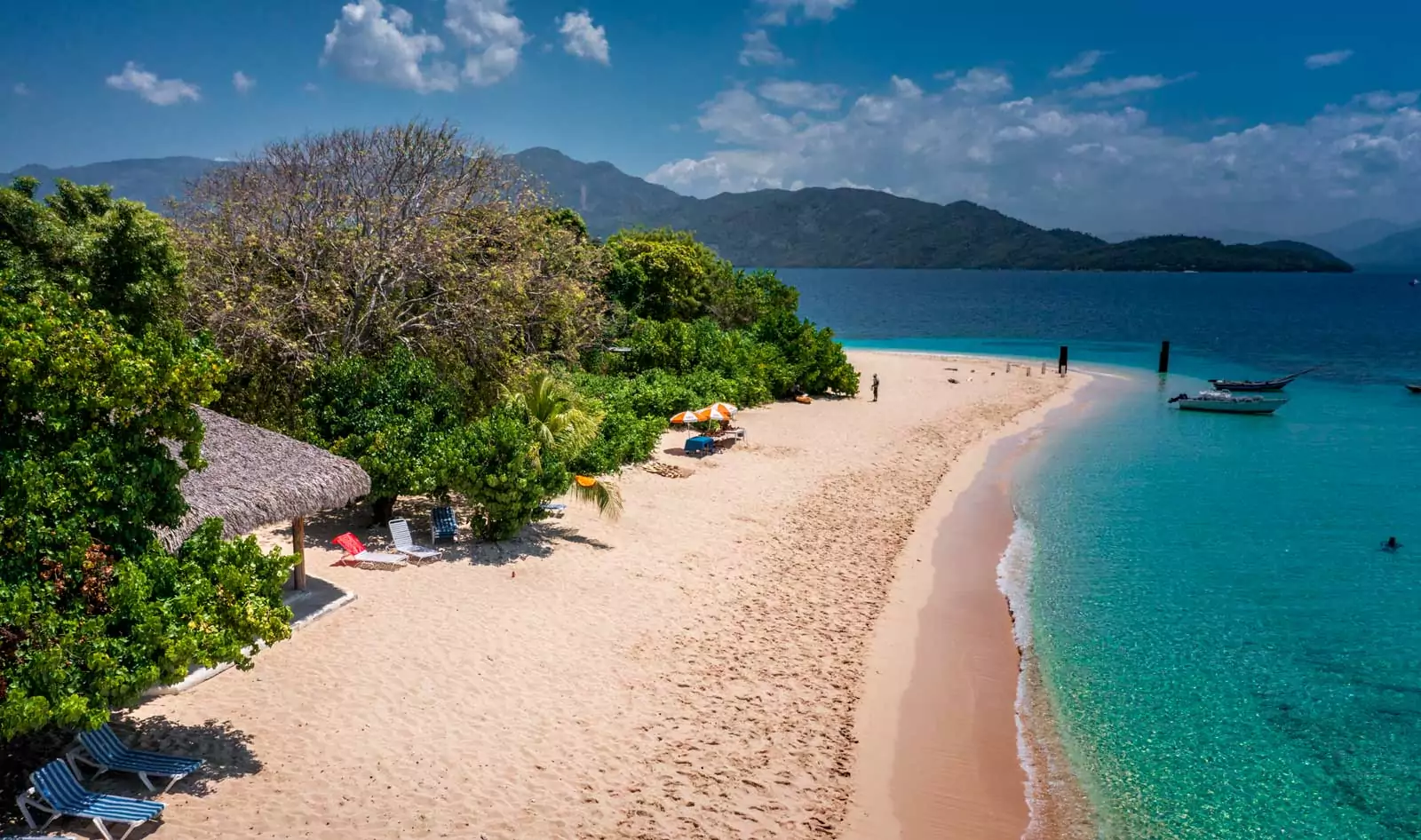
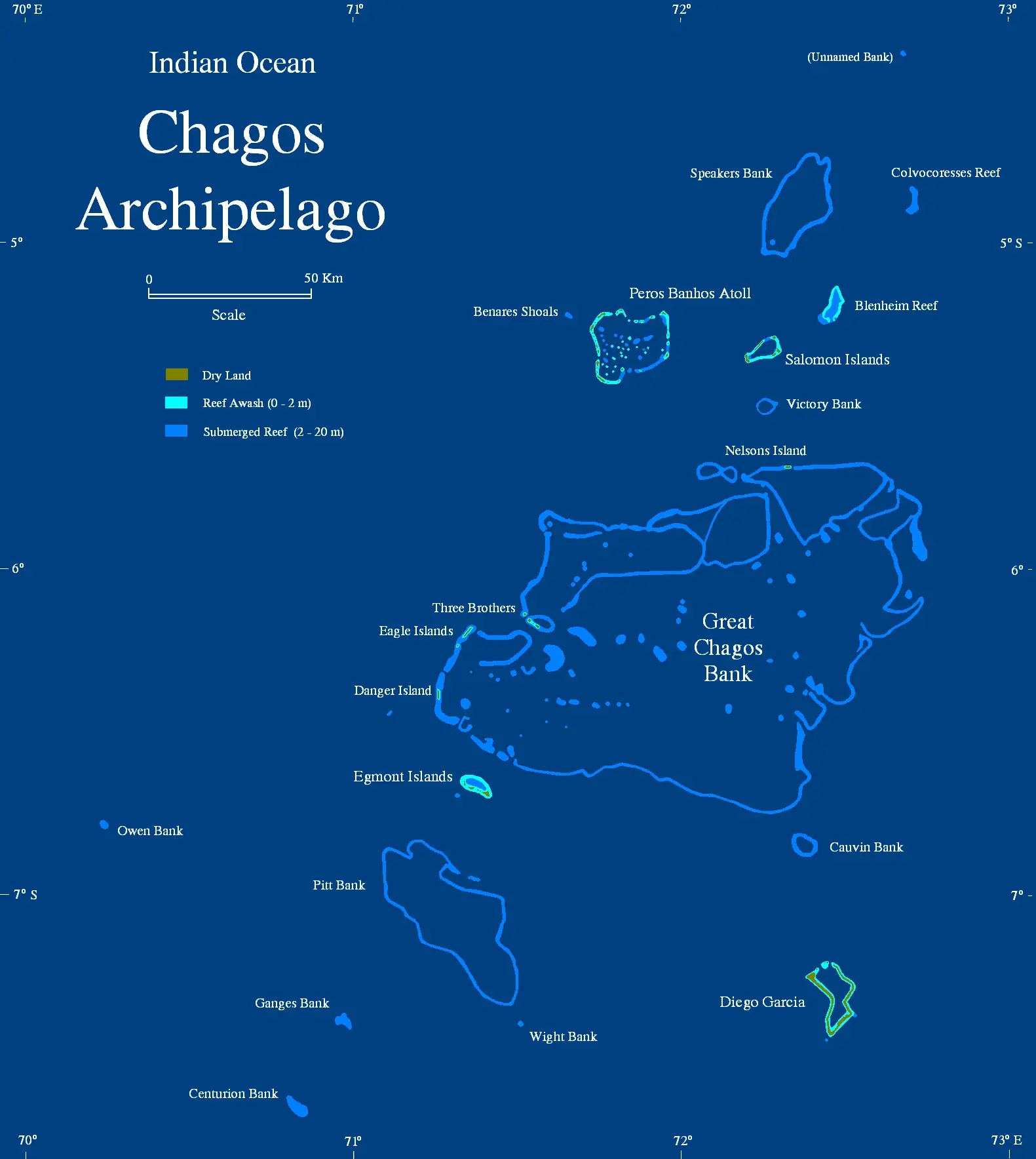
The Chagos Islands, a group of atoll situated in the Indian Ocean, have become a focal point of international legal battles and geopolitical discussions.
These islands are significant not just for their natural beauty but also for their disputed ownership and strategic military importance. Their relevance peaks in various debates about colonial legacy, human rights, and national sovereignty.
A Brief Background
The Chagos Archipelago was originally home to approximately 1,500 inhabitants known as the Ilois, who were forcibly removed in the 1960s and 70s to make way for a U.S. military base on the largest island, Diego Garcia.
This operation was part of a larger geopolitical strategy during the Cold War, granting the United States a crucial hub for operations in the Indian Ocean. However, the forced displacement of the Ilois has led to a decades-long fight for the rights of the island’s former inhabitants.
Recent Developments
In 2019, the International Court of Justice (ICJ) issued an advisory opinion declaring that the UK’s continued administration of the Chagos Islands was illegal and urged it to end its colonial control. This ruling has prompted discussions regarding the return of the islands to Mauritius, which claims sovereignty over the territory.
In recent months, the UK government announced it would not take action to comply with the ICJ ruling, insisting that the islands are strategically important for defense readiness. This has led to increased tensions between the UK and Mauritius, as well as human rights organizations advocating for the Ilois.
Significance for Readers
The Chagos Islands saga encapsulates much of what plagues modern geopolitics: territorial disputes stemming from colonialism, human rights issues, and concerns over global military strategies.
As the case develops, it remains essential for global citizens to stay informed about these disputes as they not only affect the Ilois people but also involve broader questions about national sovereignty and international law.
Conclusion
The situation surrounding the Chagos Islands serves as a reminder of the complexities of colonial legacies and their long-lasting impact. As the dialogue continues, it will be crucial to watch how the international community addresses not only the human rights of the Ilois but also the strategic implications that these islands hold in the modern world. The events in this region are likely to have ramifications far beyond the Indian Ocean, influencing global politics and international relations in the years to come.