Introduction
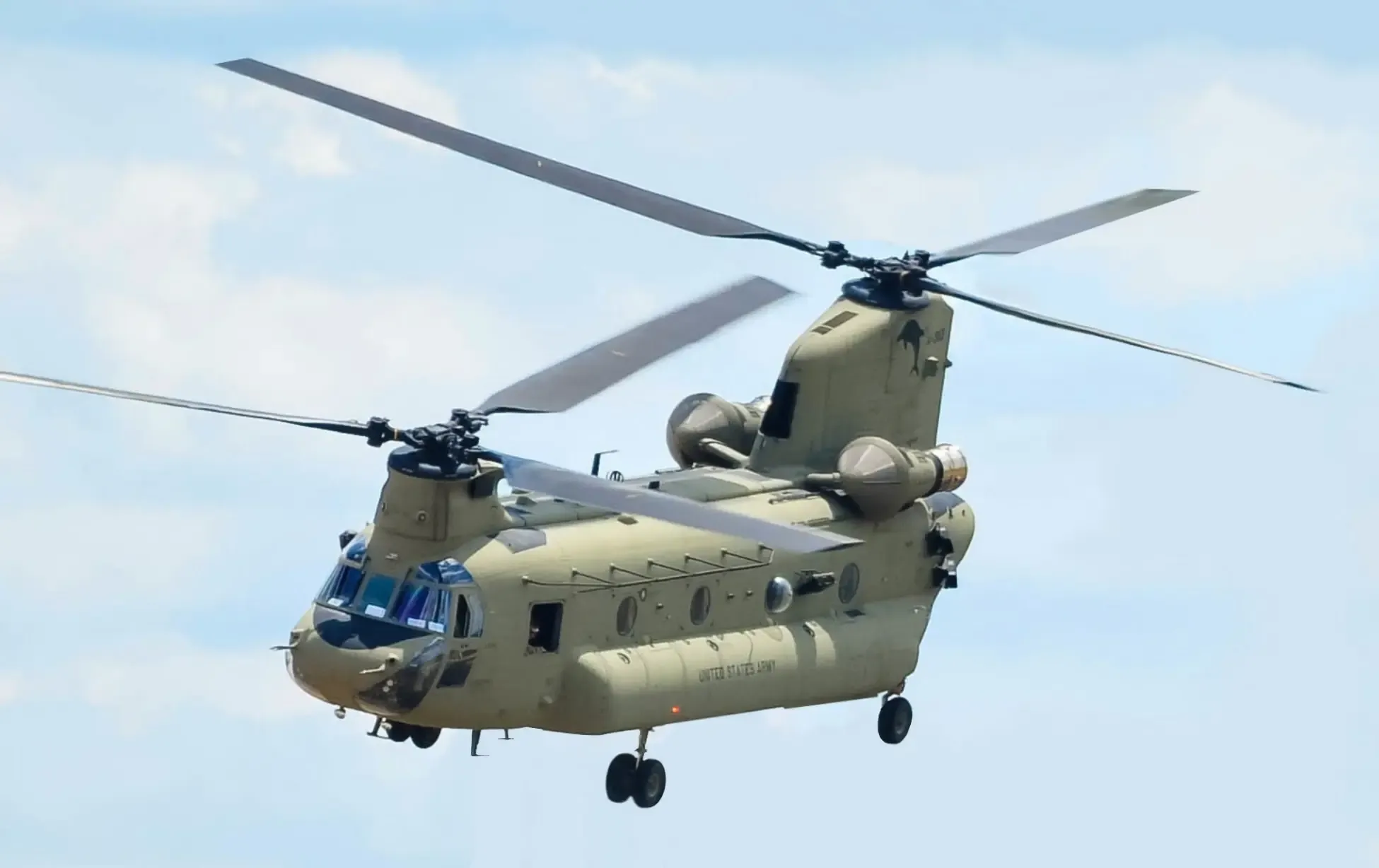
The Chinook helicopter, officially known as the CH-47 Chinook, has been a backbone of military operations since the 1960s. Renowned for its unique twin-rotor design and impressive lift capabilities, the Chinook plays a critical role in transporting troops, supplies, and performing various missions in challenging environments. Understanding its operational significance and advancements is crucial given its continued relevance in modern warfare.
Specifications and Features
The CH-47 Chinook is powered by two turboshaft engines and has a maximum speed of approximately 170 knots (196 mph). With a payload capacity of around 26,000 pounds, it can carry heavy machinery, supplies, and even wounded soldiers in conflicts. The helicopter’s dual rotor system provides unmatched stability and lifting efficiency, enabling it to operate in diverse terrains, including mountainous regions and urban settings.
Operational History
Initially deployed during the Vietnam War, the Chinook has seen extensive action in various military operations worldwide, including the Gulf War, the War in Afghanistan, and operations against ISIS in Iraq. Its ability to quickly transport forces and resources has made it invaluable in logistical support roles, disaster response, and humanitarian missions. Notably, during the 2011 Navy SEAL raid that led to the death of Osama bin Laden, Chinook helicopters played a prominent role in transporting special operations forces.
Recent Developments
Recently, the Chinook helicopter has undergone various upgrades to enhance its performance and adapt to modern threats. These upgrades include advanced avionics, upgraded engines, and enhanced defensive systems. The latest model, the CH-47F, is equipped with the latest technologies to improve communication, navigation, and survivability on the battlefield. Furthermore, the United States Army and other military organizations continue to integrate the Chinook into their versatile fleet, ensuring its relevance for years to come.
Conclusion
The Chinook helicopter continues to demonstrate its significance as a versatile military aircraft equipped for various missions. Its capabilities not only support armed forces in combat but also play a vital role in humanitarian efforts worldwide. As military operations evolve and modernize, the Chinook helicopter remains a key asset, illustrating the importance of logistics and transport in any operational strategy. In the future, continued advancements in technology may further enhance its effectiveness, ensuring the Chinook helicopter remains an indelible part of military aviation history.