Introduction to Oceania
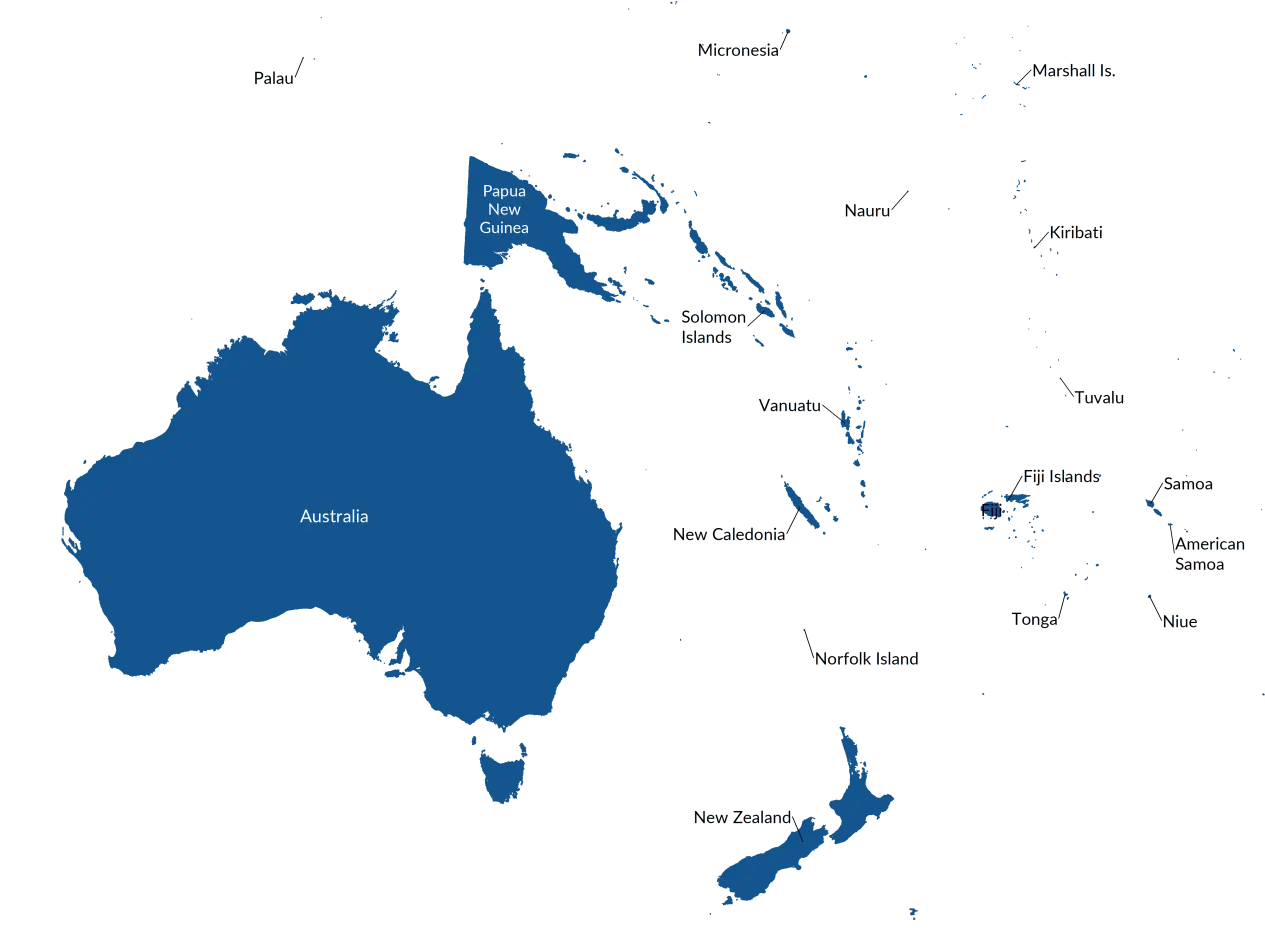
Oceania, a vast region encompassing the islands of the Pacific Ocean, is renowned for its stunning natural beauty and rich cultural heritage. Comprising countries such as Australia, New Zealand, and numerous Pacific island nations, Oceania plays a crucial role in global biodiversity and cultural diversity. Its relevance is underscored by ongoing discussions around climate change, environmental conservation, and the preservation of indigenous cultures.
Geography and Biodiversity
The geographical landscape of Oceania is incredibly diverse, ranging from the arid deserts of Australia to the lush rainforests of New Guinea. Approximately 2,500 islands make up this region, supporting a wide variety of ecosystems. Notably, Australia is home to unique species like kangaroos and koalas, while New Zealand boasts the famous kiwi bird. The Great Barrier Reef, located off the coast of Australia, is the world’s largest coral reef system and a UNESCO World Heritage site, highlighting the ecological significance of Oceania.
Cultural Significance
Oceania’s cultural heritage is as varied as its geography. The region is home to over 1,000 different languages and numerous indigenous groups, each with its unique traditions and practices. These cultures are expressed through art, music, dance, and various rituals that reflect the spiritual connections of the people to their land and ancestors. Recent events, such as the Pacific Islands Forum, demonstrate the importance of unity among Pacific nations, focusing on issues like climate change and sustainable development.
Current Events and Challenges
As Oceania faces pressing challenges, including climate change and rising sea levels, its nations are stepping up to protect their land and culture. The 2023 UN Climate Change Conference highlighted the struggles Pacific nations endure due to environmental shifts. Countries are calling for global support in addressing these issues, emphasizing the urgency of implementing sustainable practices to safeguard not only the environment but also the livelihoods and cultures of their peoples.
Conclusion
Oceania remains a region of significant importance on the global stage for its rich cultural tapestry and extraordinary natural resources. As climate change poses threats to its islands and ecosystems, the future of Oceania hinges on international cooperation and local action to ensure sustainability. Readers should recognize the interconnectedness of our global community and the need to protect such a unique and invaluable part of our planet.