Introduction
The Super Bowl, held annually as the championship game of the National Football League (NFL), is not just known for its high-stakes sports competition; it also attracts unusual moments that occasionally steal the spotlight, such as the notorious “streaker.” With an audience of millions, the act of running onto the field in the nude has become a focal point for discussions regarding sportsmanship, publicity stunts, and the boundaries of fan engagement.
Highlighting Recent Streakers
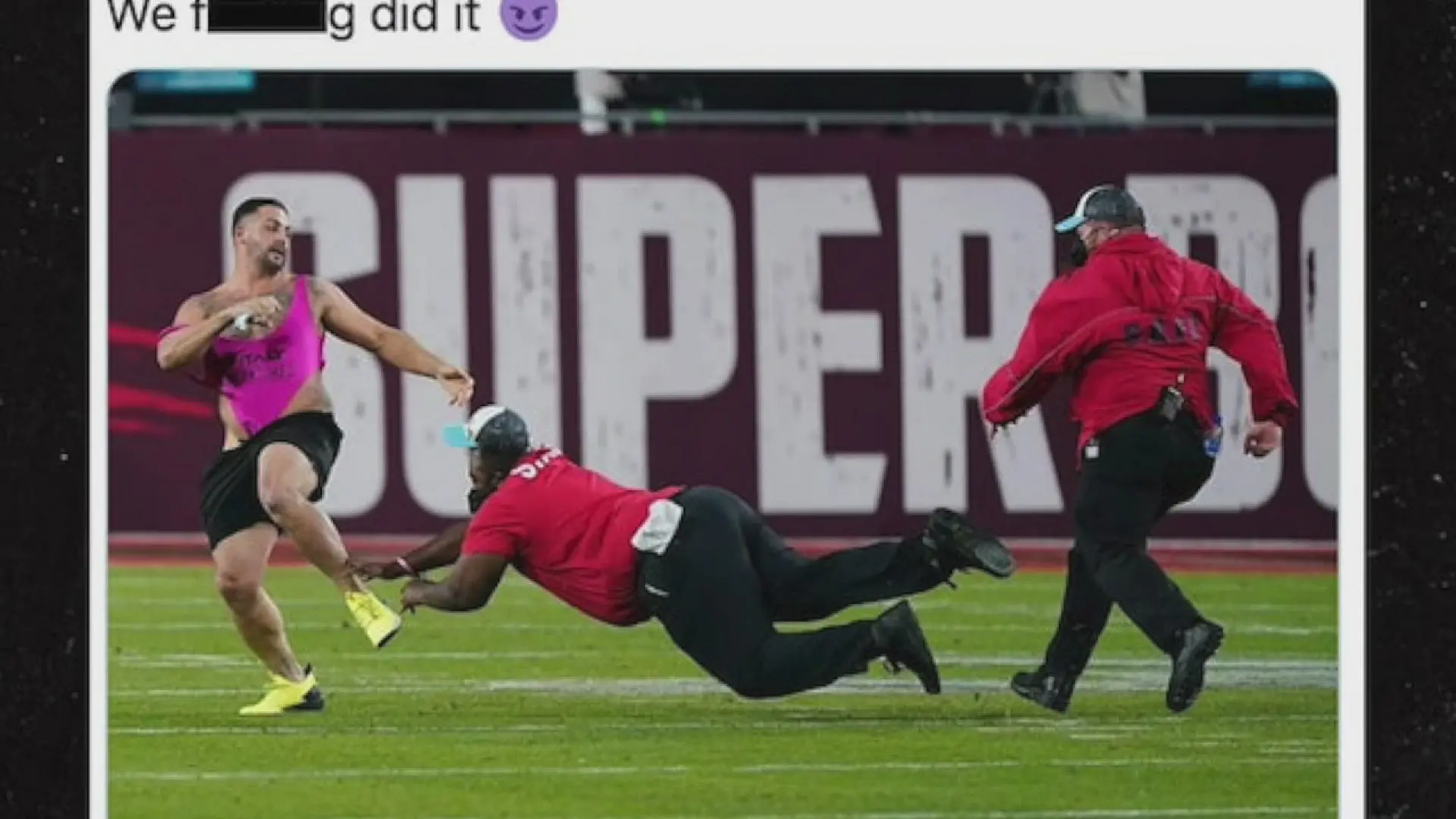
One of the most noteworthy incidents occurred during Super Bowl LV in 2021 when a streaker, identified as Yuri Andrade, made headlines after he dashed across the field. Andrade had cleverly planned his stunt by placing a bet on whether a streaker would make an appearance, ensuring he would profit regardless of the consequences. His escapade resulted in only a misdemeanor charge, leading to discussions around the legality and implications of such actions.
Another memorable occurrence took place during Super Bowl LVI in 2022, when a streaker, who was later revealed to be a social media influencer, ran onto the field mid-game, once again highlighting this unique aspect of Super Bowl culture. While the NFL aims to provide a family-friendly environment, such intrusions prompt debates about security measures and fan behavior.
The Legal and Social Ramifications
Streaking at high-profile events like the Super Bowl raises several legal questions. In most cases, individuals apprehended for streaking face citations or minor charges. However, the potential for severe legal repercussions exists, especially if the action disrupts the event or poses a safety risk to players and fans alike.
From a social perspective, the phenomenon of streaking is often viewed as a cry for attention, reflecting society’s growing obsession with virality in the age of social media. Streakers often seize the opportunity to distract viewers and draw attention to causes or personal brands, sometimes succeeding in garnering millions of views online shortly after the event.
Conclusion
While the antics of Super Bowl streakers may seem like mere acts of rebellion or publicity, they serve as a reflection of broader cultural trends related to sports, social media, and public behavior. As audiences become more accustomed to spontaneous disruptions, the implications for event security and spectator conduct will continue to evolve. In the future, the NFL and similar organizations may need to reinforce their regulations and enhance security measures to manage the unpredictable nature of fan engagement at high-stakes events. Understanding the complexities behind these incidents helps to appreciate the multilayered impact such moments can have—not only on the game but on society at large.