Introduction
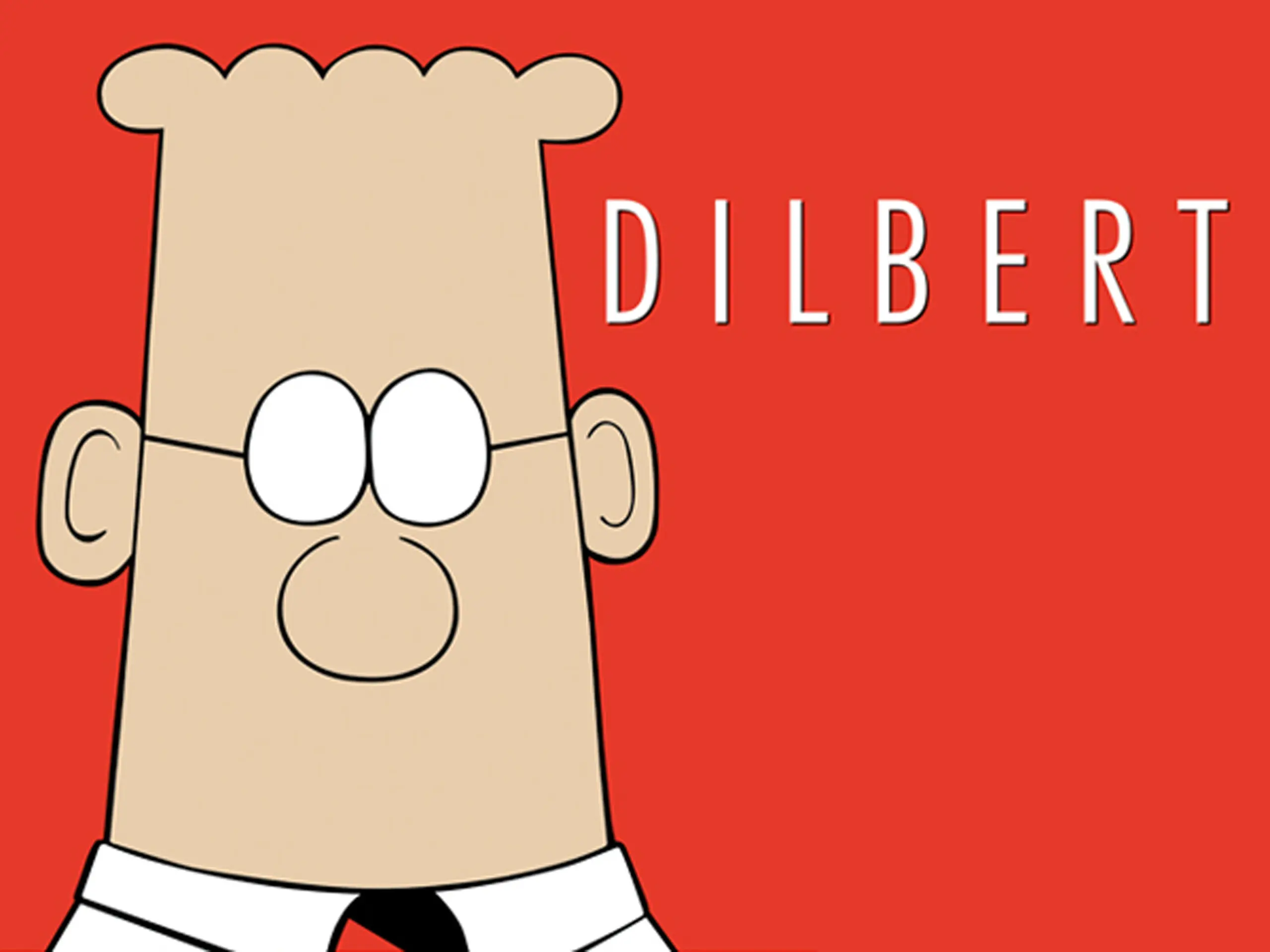
The Dilbert comic strip, created by Scott Adams in 1989, has become a staple in workplace humor and social commentary. As office dynamics evolve, the relevance of Dilbert’s satire on corporate culture and management practices remains significant. In today’s fast-paced work environment, understanding Dilbert’s influence helps us navigate the complexities of modern workplaces.
Evolution of Dilbert
Initially published in a few newspapers, Dilbert exploded in popularity during the 1990s, reflecting a growing discontent among employees with corporate bureaucracy, management incompetence, and workplace absurdities. Adams’s clever use of office characters, like the titular protagonist Dilbert, the Pointy-Haired Boss, and Dogbert, has resonated with millions, making it one of the most recognized comic strips worldwide. The portrayal of the typical office worker’s frustrations has led to a shared sense of camaraderie among readers.
Recent Events and Controversies
In recent years, Dilbert has faced controversies, particularly concerning the representation of gender and diversity in the workplace. Some critics argue that the strip often leans into stereotypes that can be harmful or outdated. Despite this, both fans and critics acknowledge that Dilbert sparks essential conversations about the evolving nature of work, ethics, and employee rights. The comic continues to adapt, addressing contemporary issues such as remote work, tech dependency, and the impact of the COVID-19 pandemic on corporate life.
Importance and Significance
In today’s context, Dilbert’s insights encourage discussions around corporate culture, highlighting pitfalls and absurdities that persist in modern workplaces. By examining how the strip addresses issues like micromanagement, office politics, and employee disengagement, readers can draw parallels to their experiences and potentially influence positive change within their organizations. Moreover, the humor present in Dilbert provides an essential coping mechanism for employees navigating challenging corporate landscapes.
Conclusion
The significance of Dilbert transcends mere entertainment; it serves as a reflection of ongoing workplace challenges and dynamics. As the nature of work continues to evolve, the comic strip’s relevance will likely persist, adapting to new social and technological contexts. By remaining engaged with the messages embedded within Dilbert, readers can foster important dialogues about workplace culture and advocate for a more inclusive and respectful work environment.