Introduction
Alexei Navalny, a prominent Russian opposition leader and anti-corruption activist, has increasingly become a focal point of international attention due to his struggles against the Kremlin. His situation not only underscores the state of democracy in Russia but also has significant implications for global diplomatic relations. As Navalny continues to face legal challenges and harsh sentences, the international community is closely monitoring his status and the impact it will have on Russia’s political landscape.
Recent Developments
In October 2023, Alexei Navalny marked the two-year anniversary of his imprisonment, which began after he was poisoned with a nerve agent in 2020. This assassination attempt, widely believed to be orchestrated by Russian authorities, led to international condemnation and sanctions against high-ranking officials in Russia. Despite his imprisonment, Navalny remains an influential voice, advocating for internal reforms and denouncing government corruption.
Navalny’s health has become a significant concern among his supporters and human rights organizations. Reports indicate that he has been subjected to harsh treatment in prison, including inadequate medical care and limited contact with the outside world. His supporters claim that the Russian government is using his imprisonment as a tactic to silence dissent and deter other activists.
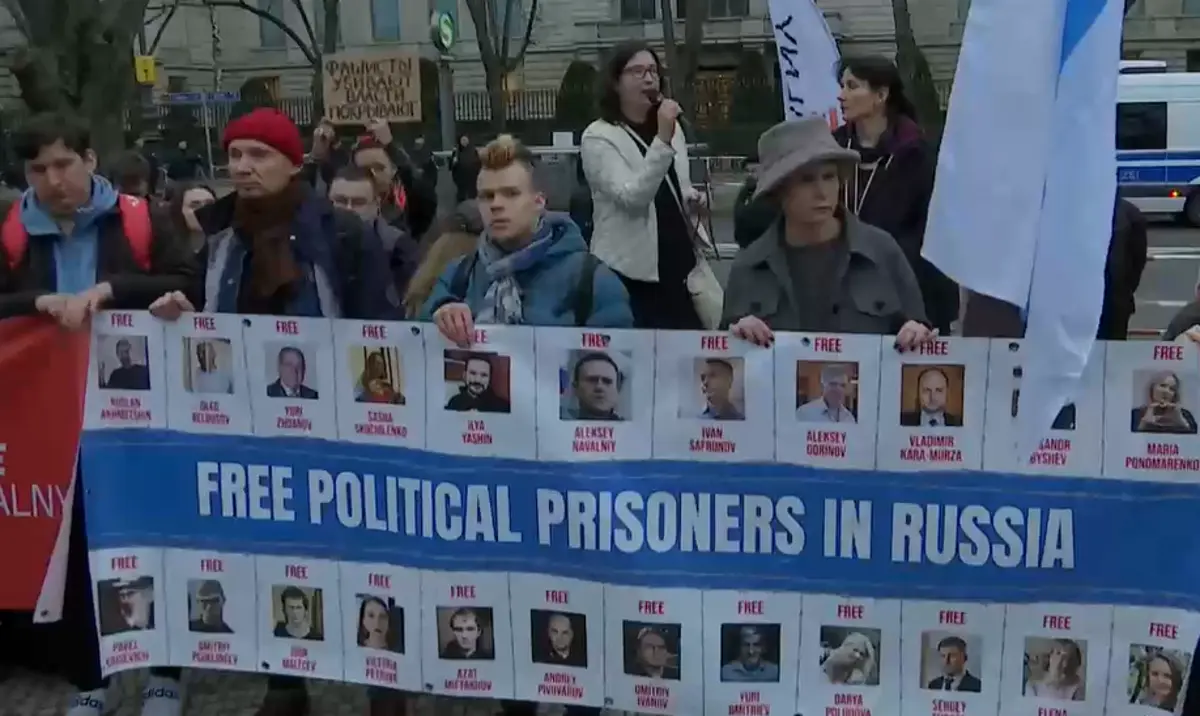
In response to increasing international pressure, Russian officials have maintained a dismissive stance towards foreign interventions, branding them as foreign influence. Recently, Navalny’s allies have called for renewed protests, urging citizens to demand his release and push for systemic change within the government.
International Response
Navalny’s plight has led to significant diplomatic movements. The United States and European Union have imposed additional sanctions targeting individuals and entities believed to be involved in his persecution. Furthermore, several countries have expressed their willingness to support Russian civil society in its efforts for democratic reforms.
In a recent statement, U.S. Secretary of State Antony Blinken reiterated the United States’ commitment to supporting those fighting for democracy in Russia, highlighting Navalny’s commitment to principled opposition as a guiding force for many.
Conclusion
The situation surrounding Alexei Navalny remains a symbol of resistance against authoritarianism in Russia. As he continues to face dire conditions in prison, the international community’s advocacy for his release serves to draw attention to the broader struggles for human rights in Russia. Looking forward, Navalny’s situation could serve as a litmus test for the Russian public’s willingness to challenge the status quo and push for democracy in the face of overwhelming adversity. The global response could either embolden further activism or lead to a chilling effect on dissent within Russia.