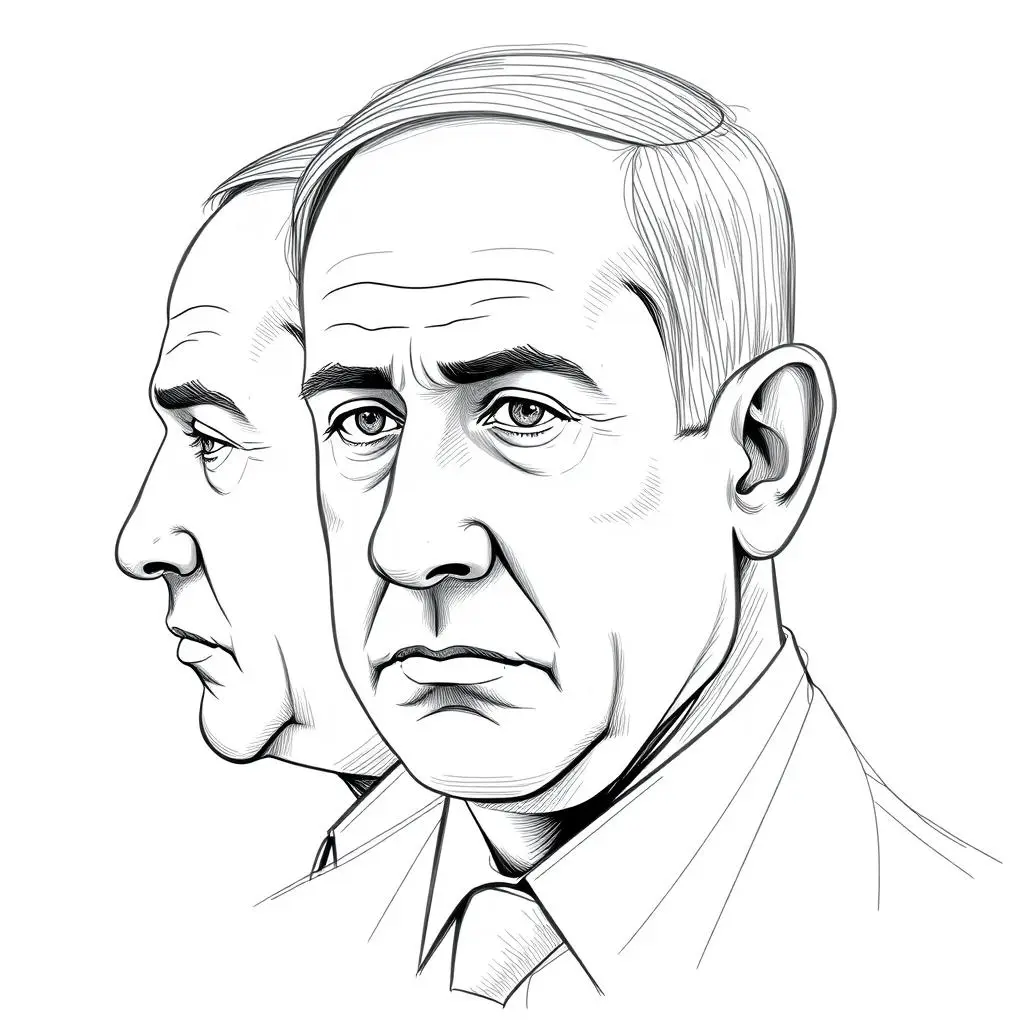
Introduction
Benjamin Netanyahu, Israel’s longest-serving prime minister, remains a pivotal figure in Israeli politics. As the leader of the right-wing Likud party, his policies and decisions consistently influence both domestic and international matters. Netanyahu’s tenure has been marked by both controversy and significant events, making it essential for observers to stay informed on his latest actions and their potential implications.
Recent Developments
In recent months, Netanyahu has been navigating a turbulent political landscape. Since reelection in late 2022, he has faced challenges such as protests against his proposed judicial reforms, which critics argue threaten the independence of the judiciary and undermine democracy. These reforms sparked widespread public demonstrations, with tens of thousands taking to the streets to voice their dissent. As a response, Netanyahu has attempted to amend his proposals to quell public unrest.
On the international front, Netanyahu has been actively pursuing normalization agreements with several Arab nations, building on the momentum from the Abraham Accords. Most recently, discussions regarding diplomatic relations with Saudi Arabia have gained traction, promising to reshape the Middle East’s geopolitical landscape further.
Political and Economic Challenges
Domestically, Netanyahu’s government is grappling with significant issues, including a struggling economy that has been exacerbated by global inflation and the aftermath of the COVID-19 pandemic. His administration is under pressure to address socioeconomic concerns that affect ordinary Israelis, particularly regarding housing, healthcare, and the cost of living.
Outlook and Significance
As Netanyahu works to consolidate his power and navigate these challenges, his actions will have lasting implications for Israel’s future. His approach to governance, particularly concerning judicial reforms and international relations, could impact the political stability of the region. Observers and citizens alike will be watching closely to see if Netanyahu can retain public support amid mounting challenges and whether he can achieve his ambitious foreign policy goals.
In conclusion, Benjamin Netanyahu’s leadership remains critical to understanding contemporary Israeli politics. His ability to respond to mounting domestic pressures while advancing international relations will determine the trajectory of his government and its legacy in Israeli history.