Introduction
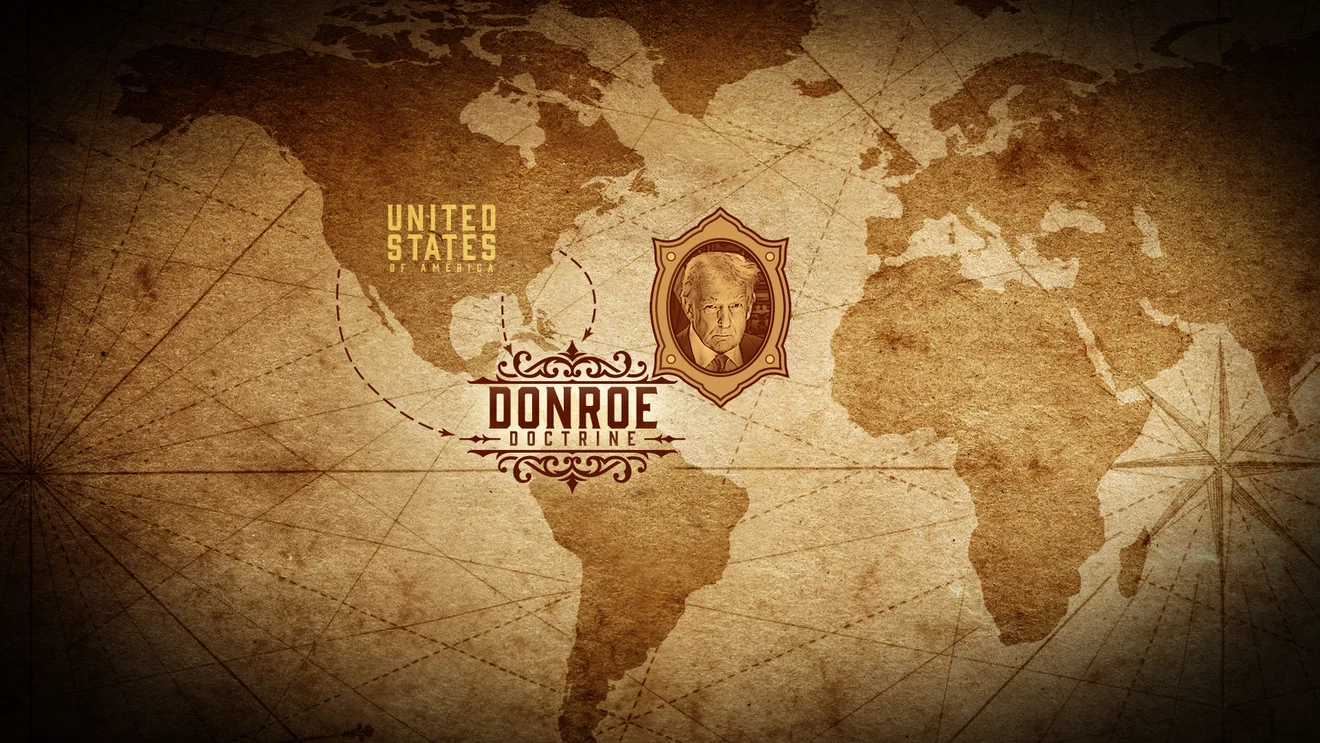
The Donroe Doctrine, a contemporary interpretation of foreign policy, addresses the intricate balance between national interests and international relations. Named to reflect America’s safeguarding of its influence in global affairs, this doctrine emphasizes the need for a proactive stance in international engagement. As global dynamics shift, understanding the Donroe Doctrine’s implications has become increasingly pertinent for policymakers and citizens alike.
Historical Context and Development
Rooted in historical precedents such as the Monroe Doctrine, which historically aimed to deter European colonialism in the Americas, the Donroe Doctrine adapts these principles to modern challenges. Emerging post-2020 amid rising geopolitical tensions, especially regarding nations like China and Russia, this doctrine seeks to reaffirm the United States’ role as a key player in stabilizing global order.
Key Principles of the Donroe Doctrine
The Donroe Doctrine outlines several core principles: maintaining diplomatic relations without compromising on national security, engaging with international allies to deter aggressive actions, and promoting democratic values globally. It advises against isolationism, advocating for a robust presence in international forums and partnerships while safeguarding American interests.
Notable Events Influencing the Donroe Doctrine
Recent events, including the U.S. withdrawal from Afghanistan and the ongoing tensions in Eastern Europe, have shaped the doctrine’s evolution. These developments illustrate a shift from overt military interventions to strategic alliances and diplomatic pressure. The doctrine lends itself to a framework for navigating complex issues such as cyber threats, climate change, and multinational trade agreements.
Conclusion
As the global landscape continues to evolve, the Donroe Doctrine will play a critical role in guiding U.S. foreign policy. Its emphasis on balancing power and maintaining influence underscores the importance of assertive diplomacy in the 21st century. For readers, particularly those interested in international relations, grasping the nuances of the Donroe Doctrine is essential for understanding the United States’ approach to future challenges on the world stage.