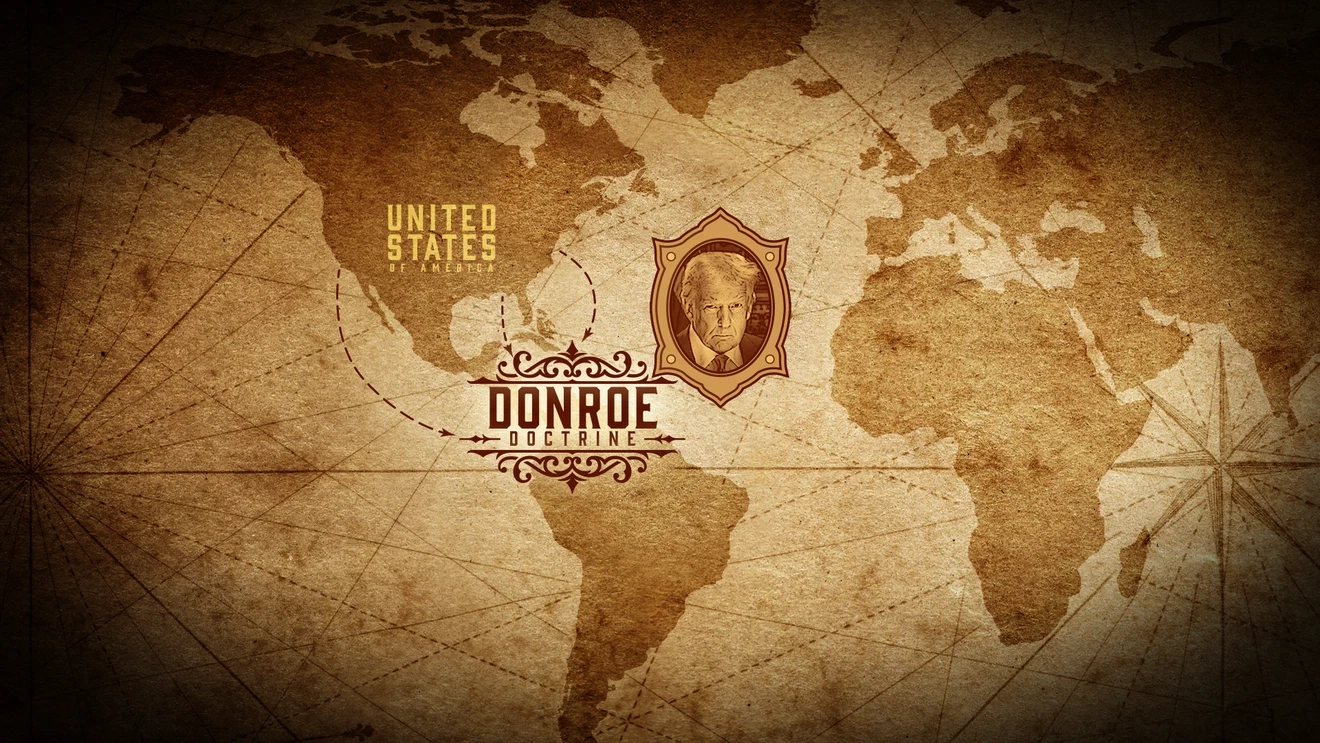
Introduction to the Donroe Doctrine
The Donroe Doctrine is a contemporary foreign policy principle introduced in 2023, highlighting the United States’ commitment to defending democratic nations from foreign aggression. It has emerged as a critical topic amidst rising global tension and authoritarianism, particularly in regions like Eastern Europe and Asia.
Key Elements of the Donroe Doctrine
Named after its architect, Senator Jane Donroe, the doctrine stipulates that the United States will not only support its allies militarily but also economically and diplomatically in the face of threats. This policy marks a shift from the previous administration’s more isolationist approach, signifying a renewed focus on collective security and international cooperation.
Recent Developments and Applications
Since its announcement, the Donroe Doctrine has guided U.S. responses to recent geopolitical events. For instance, following military incursions in Eastern Europe, the U.S. has mobilized NATO forces and sent economic aid packages to support affected nations such as Ukraine and Poland. Moreover, the Biden administration has organized multilateral meetings involving G7 and UN members to ensure a unified international response to aggression.
The Doctrine’s Global Impact
The introduction of the Donroe Doctrine has prompted mixed reactions internationally. Democratic nations have largely welcomed this commitment, viewing it as a reassurance against authoritarian encroachments. On the other hand, adversarial states have condemned the doctrine as an aggressive stance, warning of potential escalations in conflict. Analysts predict an increase in military expenditures among threatened countries as they prepare to counterbalance perceived risks.
Conclusion and Future Implications
The Donroe Doctrine represents a pivotal moment in U.S. foreign policy, emphasizing an active role in global security and democracy promotion. As challenges to democracy proliferate in various parts of the world, the doctrine aims to project American values abroad, raising questions about the balance between diplomacy and military intervention. Moving forward, the effectiveness of the Donroe Doctrine will heavily influence international relations, particularly in how democracies respond to authoritarian threats and how adversarial nations adapt to U.S. strategies.