Introduction
Mary Shelley’s “Frankenstein,” published in 1818, is a seminal work that explores profound themes such as creation, ambition, and the duality of human nature. As we approach the bicentennial anniversary of this classic, its relevance remains undiminished, as it continues to spark discussions about scientific ethics and the responsibilities that come with technological advancements.
Frankenstein’s Influence on Literature
Since its publication, “Frankenstein” has influenced countless authors and has given rise to the genre of science fiction. The novel delves into the consequences of pushing scientific boundaries, as Victor Frankenstein’s quest to create life results in tragedy and horror. Its exploration of the ‘monstrous’ has encouraged writers to consider the complexities of creation and the moral implications of scientific discovery.
Cultural Resonance
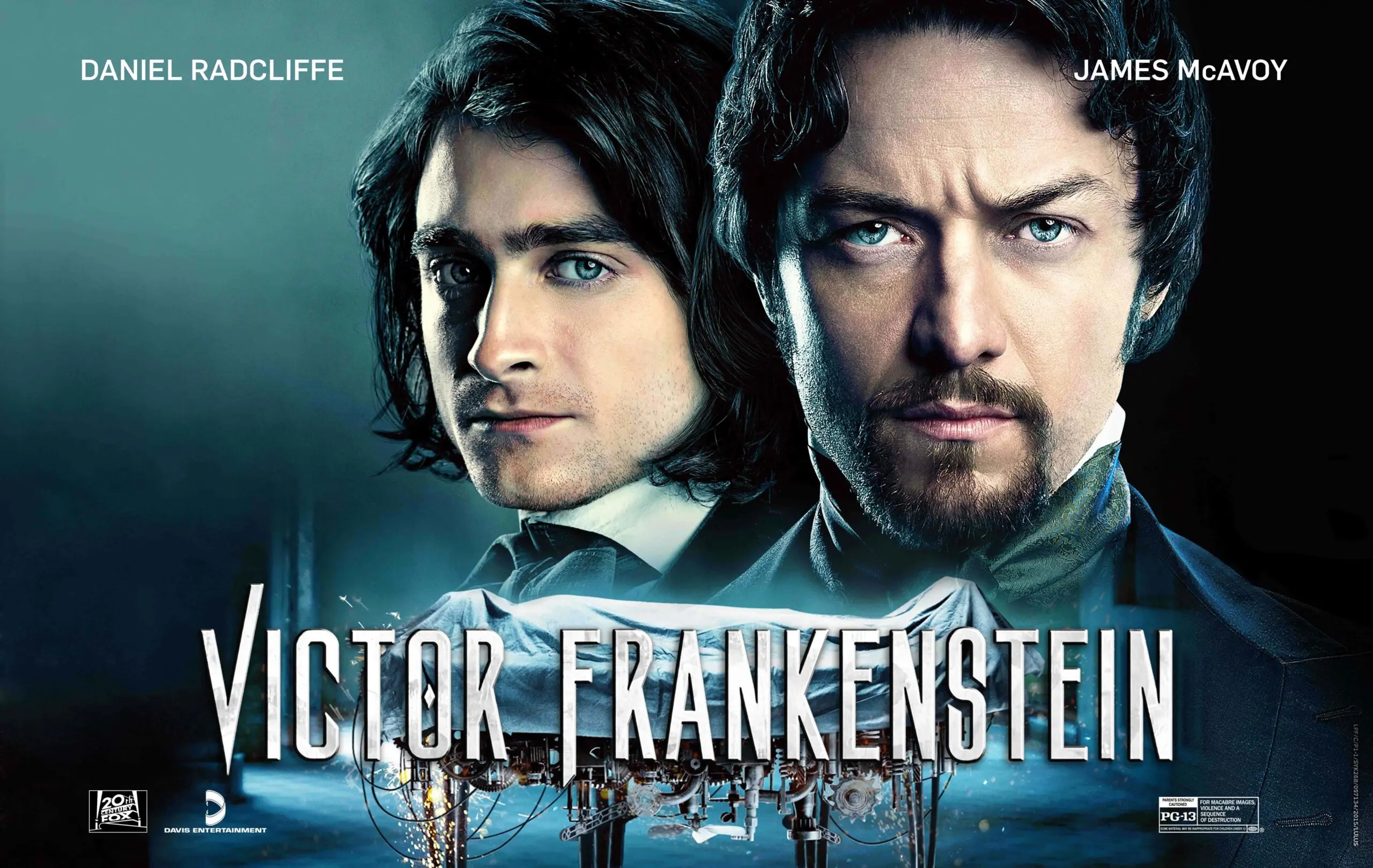
Frankenstein has transcended literary boundaries and has significantly impacted popular culture. The story has been adapted into numerous films, plays, and even operas. Classic movie adaptations, such as Boris Karloff’s portrayal of the Creature in the 1931 film, have ingrained the character into global consciousness. The image of Frankenstein’s monster has become a symbol of humanity’s struggle with its constructs – a metaphor for the fears surrounding unchecked technological growth.
Scientific and Ethical Discussions
In today’s world, discussions surrounding genetic engineering and artificial intelligence evoke the themes presented in “Frankenstein.” As scientists strive to push the limits of what is possible, the ethical responsibilities that accompany new technologies resonate strongly. High-profile debates over CRISPR technology and AI development echo Shelley’s cautionary tale, asserting the need for ethical frameworks in scientific endeavors.
Conclusion
As we continue to grapple with the implications of our scientific advancements, Mary Shelley’s “Frankenstein” serves as a timeless reminder of the potential consequences of our ambitions. The novel’s exploration of creation, responsibility, and the fear of the unknown is as pertinent today as it was over two centuries ago. As society advances, readers and scholars alike must reflect on the lessons from “Frankenstein” to guide ethical considerations in our pursuit of knowledge.