Introduction
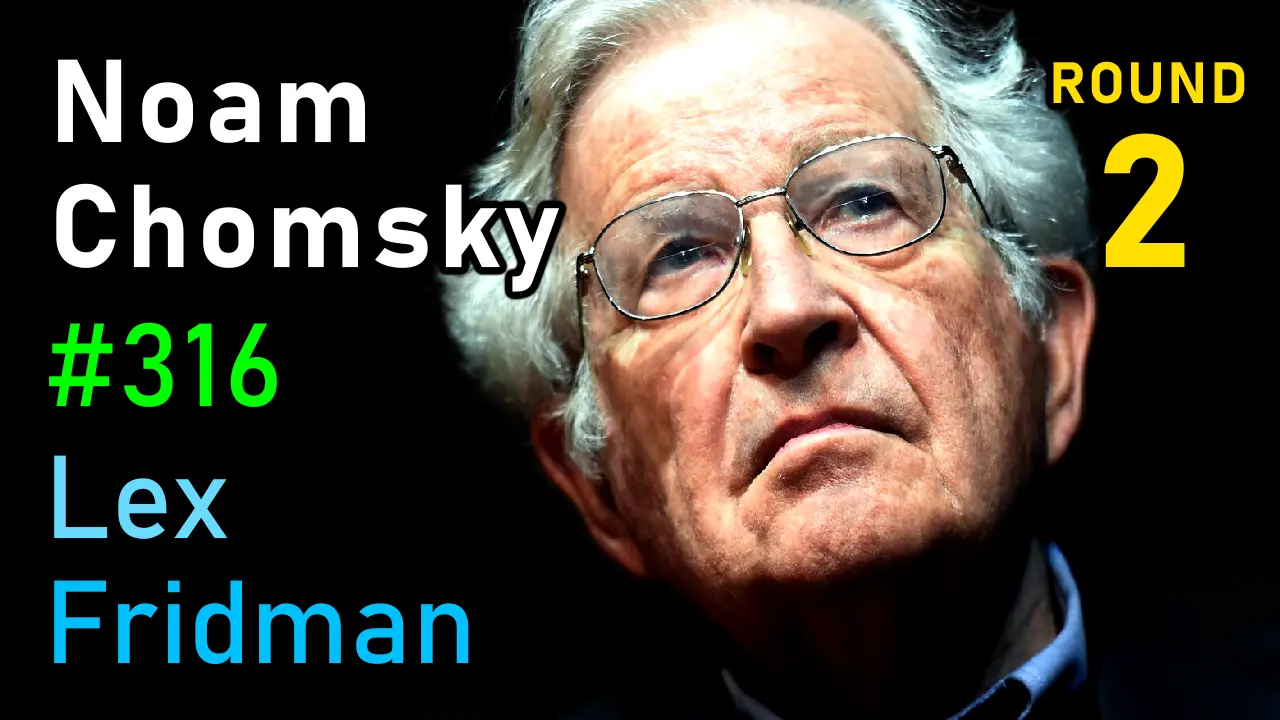
Noam Chomsky, a pivotal figure in linguistics and political thought, has profoundly shaped modern discourse. As a linguist, he introduced revolutionary ideas about language structure and acquisition; as a political activist, he has critiqued power dynamics on a global scale. Chomsky’s work remains significant in today’s politically charged climate, as scholars and activists alike draw upon his theories to analyze contemporary issues.
Pioneering Linguistic Theory
Chomsky’s contributions to the field of linguistics began in the mid-20th century when he proposed the idea of a universal grammar – a fundamental set of principles shared across all human languages. His 1957 work, “Syntactic Structures,” challenged behaviorist notions of language acquisition, asserting that inherent cognitive structures allow humans to learn complex languages. Subsequent research has validated and expanded Chomsky’s theories, influencing not only the study of linguistics but also cognitive science and psychology.
Political Activism and Critique of Power
Beyond linguistics, Chomsky is renowned for his incisive critiques of U.S. foreign policy and capitalism. He has penned numerous works, including “Manufacturing Consent,” co-authored with Edward S. Herman, which dissects the media’s role in shaping public perception and policy. His views on propaganda and media manipulation resonate profoundly in today’s digital age, where misinformation spreads rapidly. Chomsky remains a vocal critic of social injustice, income inequality, and war, advocating for a more equitable and informed society.
Recent Developments
In recent years, Chomsky continues to engage with audiences through interviews, articles, and lectures that address pressing global issues like climate change and the rise of right-wing populism. At 94, his insights remain sharp and relevant, inspiring younger generations of activists and scholars. His ability to interconnect linguistic theory with socio-political analysis highlights the interdisciplinary importance of his work.
Conclusion
Noam Chomsky’s legacy is one of intellectual rigor and moral clarity. His groundbreaking linguistic theories have reshaped our understanding of human language, while his commitment to social justice continues to inspire activism across the globe. As the political landscape evolves, Chomsky’s critiques of power and his calls for accountability and fairness serve as essential guides for navigating the complexities of modern society. Readers and scholars alike can draw valuable lessons from his contributions as both a linguist and a political voice.