Introduction
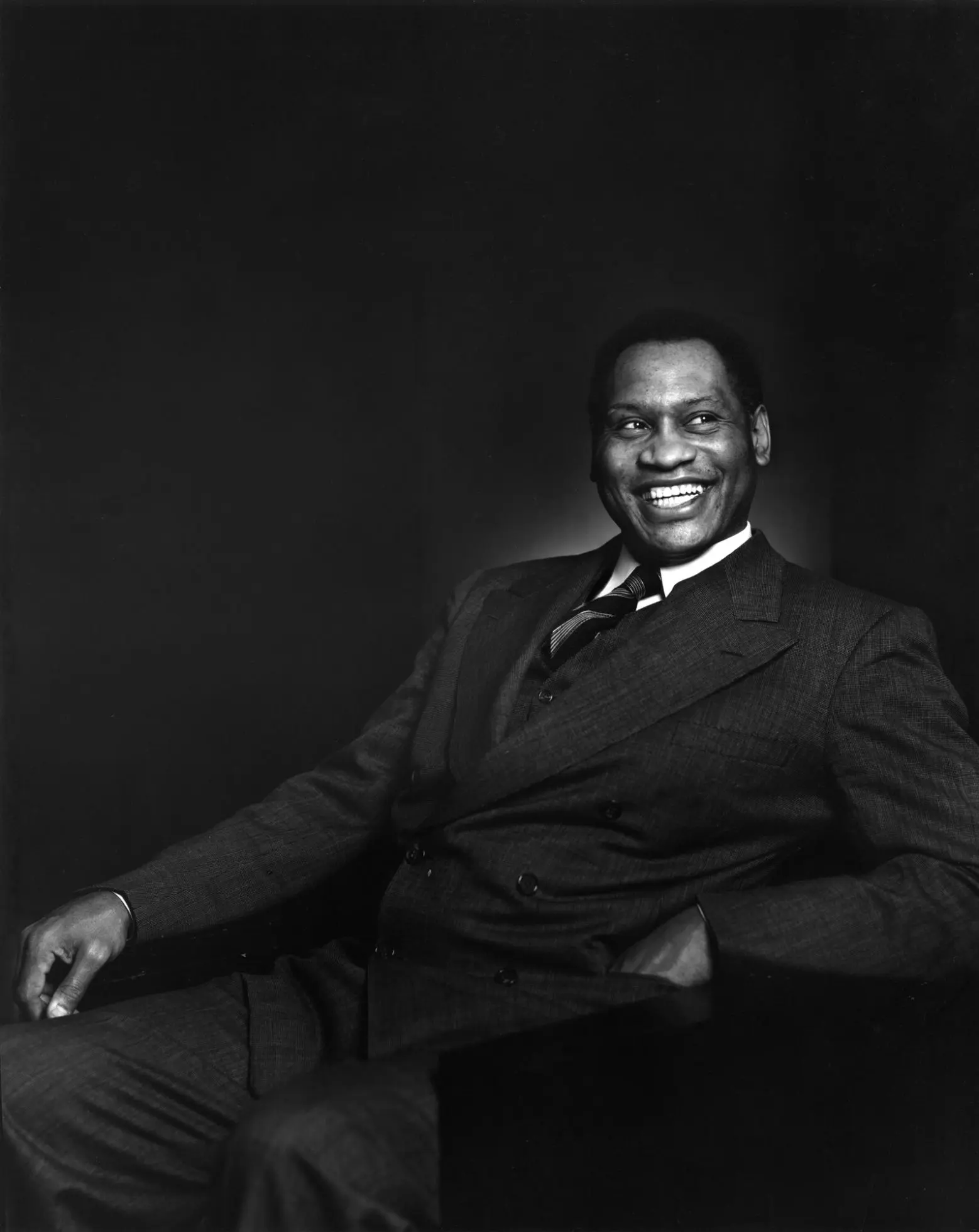
Paul Robeson, an African American singer, actor, and civil rights activist, left an indelible mark on both the arts and social justice in the 20th century. His contributions are particularly relevant today as discussions around racial equality and artistic freedom continue to be at the forefront of societal concerns. Understanding Robeson’s legacy is essential not only for appreciating the history of American theater but also for grasping the civil rights movement’s evolution.
Life and Early Career
Born on April 9, 1898, in Princeton, New Jersey, Robeson was a standout student at Rutgers University, where he was an All-American football player. He later attended Columbia Law School, but his passion for the arts led him to abandon law for a career in singing and acting. Robeson gained fame in the 1920s and 1930s for his performances in works such as “Othello” and in songs like “Ol’ Man River” from the musical “Show Boat.” His rich baritone voice and commanding stage presence captivated audiences around the world.
Activism and Advocacy
Robeson’s influence extended beyond the stage and screen; he was an outspoken civil rights activist. He used his platform to challenge racial injustice and advocate for social change. His prominent anti-colonial stance and support for civil rights made him a controversial figure during the McCarthy era. Robeson’s political beliefs led to significant backlash, including being blacklisted and facing government surveillance.
Recent Recognition
In recent years, Robeson’s contributions have been increasingly recognized and celebrated. Institutions like the Smithsonian National Museum of African American History and Culture have featured exhibits highlighting his life. Additionally, numerous documentaries have chronicled his legacy and the challenges he faced as a black artist advocating for equality.
Conclusion
Paul Robeson’s legacy as an artist and activist continues to resonate, reminding us of the struggle for social justice and cultural expression. His life story serves as an inspiration for current and future generations, emphasizing the importance of using one’s platform for advocacy and change. As the U.S. grapples with ongoing discussions around race and equality, Robeson’s contributions remind us of the power of art and the responsibility that comes with it. Understanding such figures will be crucial in shaping a future where both artistic freedom and civil rights are upheld.