Introduction
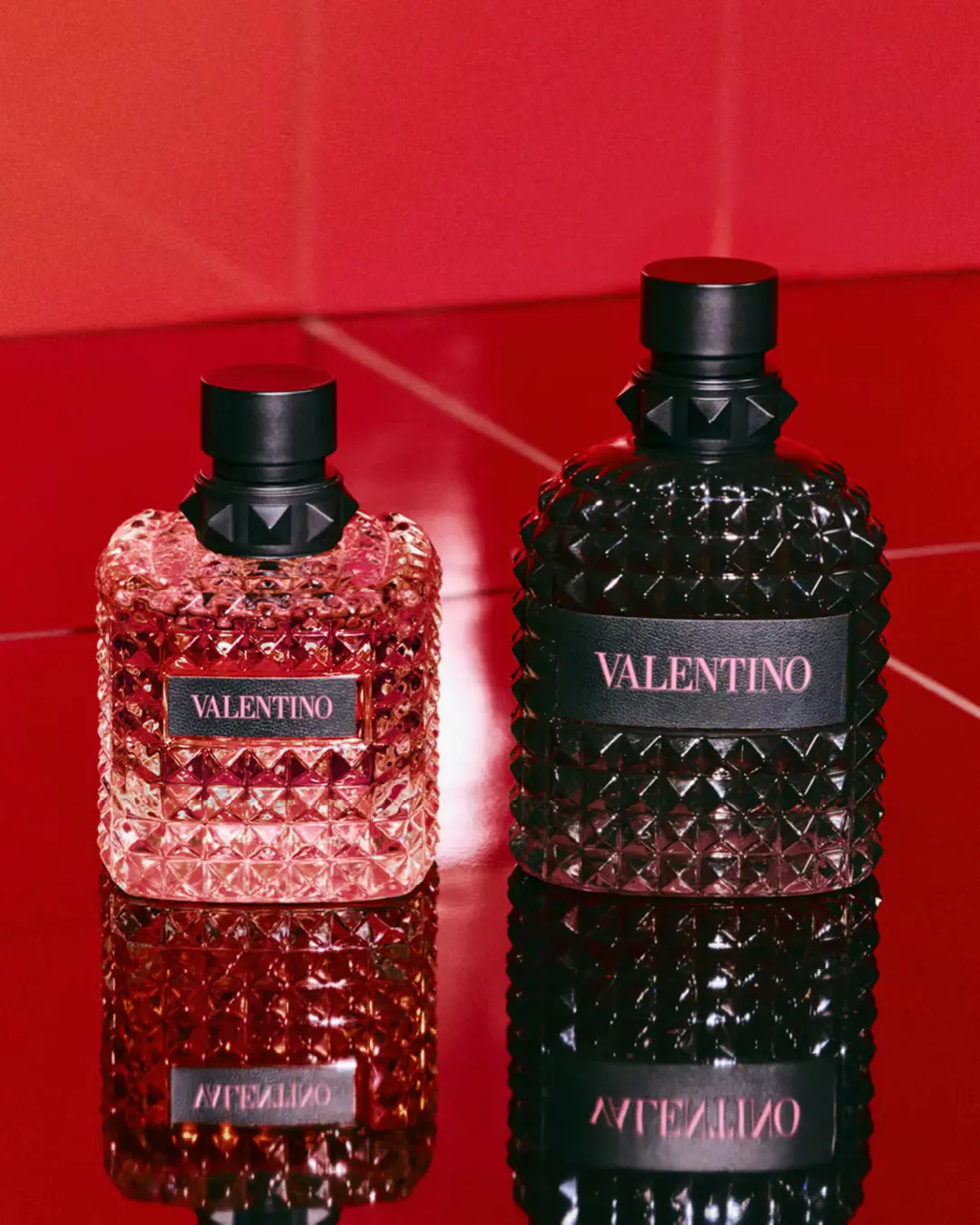
Valentino, a name synonymous with luxury and elegance, has been a prominent figure in the fashion industry since its inception. Founded in 1960 by designer Valentino Garavani, the brand is recognized for its exquisite craftsmanship and femininity. Valentino’s influence on haute couture is substantial, making it a key player in global fashion circles. As we enter a new era of style, understanding the significance of Valentino helps highlight the ongoing conversation surrounding luxury fashion and sustainability.
Valentino’s Journey Through the Decades
Valentino Garavani launched his brand in Rome, quickly gaining a reputation for his glamorous gowns worn by high-profile celebrities and fashionistas. In 1968, he made a groundbreaking debut at the New York City fashion show, solidifying his status in the American fashion market. Valentino’s iconic ‘Rococo’ and ‘Red’ designs became staples of his collections, capturing the attention of fashion lovers worldwide.
Throughout the 1970s and 1980s, Valentino continued to dominate the couture scene, often seen dressing stars such as Jacqueline Kennedy Onassis and Elizabeth Taylor. His designs not only appealed to the elite but also influenced the direction of mainstream fashion, emphasizing artistry and ceiling heights among the fashion houses.
Modern Day Valentino
Valentino has undergone significant transformations, most notably with the appointment of Pierpaolo Piccioli as creative director after the brand was sold to Mayhoola for Investments in 2012. Piccioli has successfully blended Valentino’s signature styles with contemporary trends, ensuring relevance amidst changing consumer preferences. His commitment to diversity has also reshaped the brand’s image, with more inclusive fashion shows and campaigns.
Sustainability in Focus
As the fashion industry increasingly acknowledges the importance of sustainable practices, Valentino is no exception. The brand has pledged to use eco-friendly materials and strive for a lower environmental impact in its production processes. With consumers becoming more conscious of their purchases, Valentino’s efforts to prioritize sustainability will likely affect its market position in the coming years.
Conclusion
Valentino remains a pillar of the fashion industry, embodying excellence, elegance, and evolution. The legacy of its founder continues to inspire new generations of designers while addressing modern demands for sustainability. As Valentino charts its path forward, the brand’s ability to balance tradition with innovation will be critical in maintaining its status as a leader in luxury fashion.