Introduction
Wuthering Heights, the iconic novel by Emily Brontë, has inspired numerous film adaptations since its publication in 1847. The tale of passionate love and haunting vengeance set against the backdrop of the Yorkshire moors resonates deeply with audiences, making these adaptations a significant part of cinematic history. The various interpretations of Wuthering Heights showcase not only the story’s versatility but also reflect changing societal norms and cinematic techniques through the decades.
Film Adaptations Over the Years
The first cinematic adaptation of Wuthering Heights was in 1920, but it was the 1939 version directed by William Wyler and starring Merle Oberon and Laurence Olivier that left an indelible mark on film history. This adaptation captured the gothic elements of Brontë’s story while introducing a sophisticated romanticism that appealed to audiences of the time.
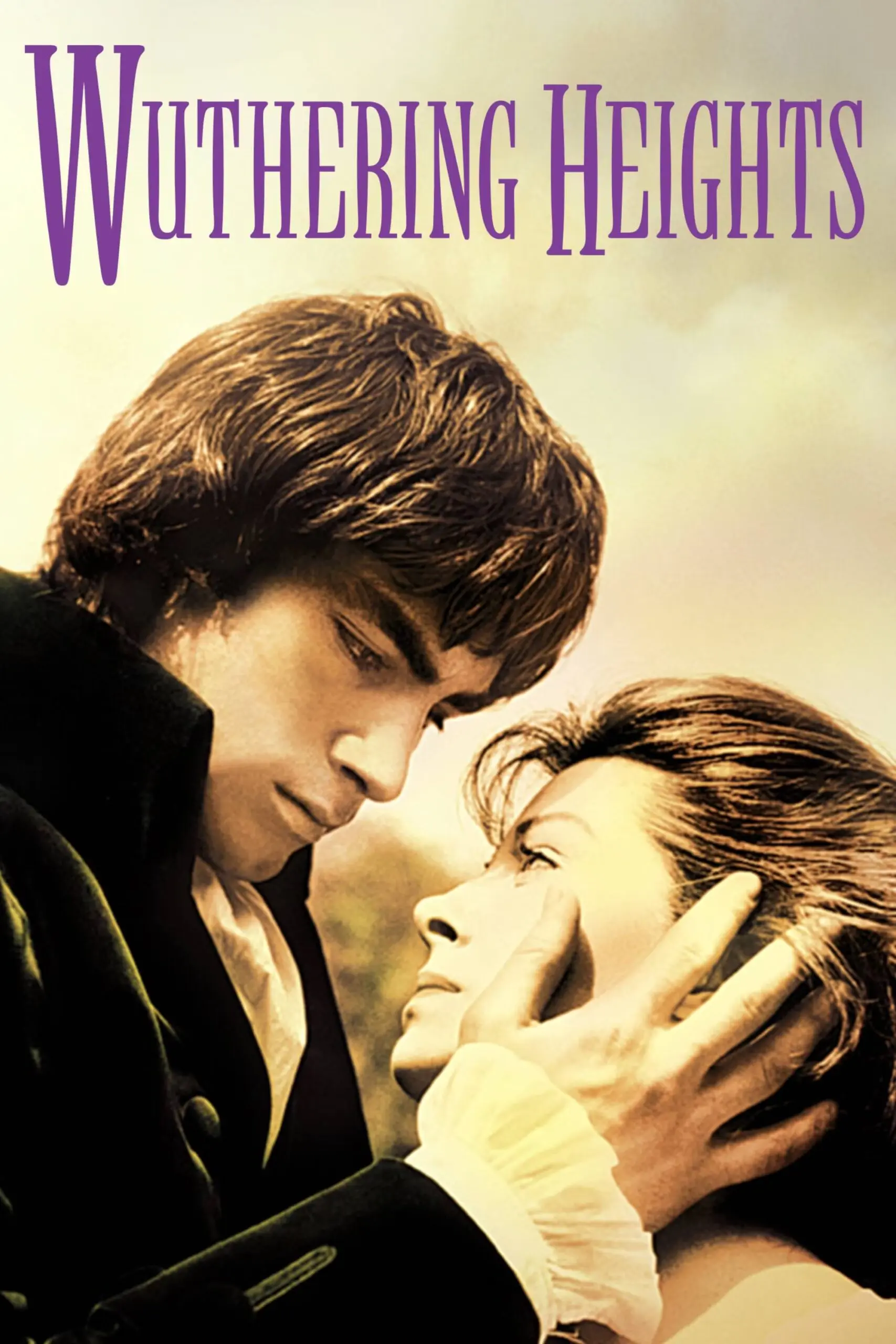
Subsequent adaptations, such as the 1967 BBC version, offered a more faithful portrayal of the characters and the novel’s dark themes. The 1970 adaptation also emphasized aesthetic elements, showcasing the moors with stunning cinematography, which have become iconic representations of the tale.
More recently, the 2011 adaptation directed by Andrea Arnold brought a fresh perspective by focusing on character development and raw emotions, accompanied by visually striking imagery and a modern score. Arnold’s version was lauded for its visceral representation of Heathcliff’s pain and love, which resonated with a contemporary audience.
Impact on Audience and Culture
Each adaptation of Wuthering Heights provides audiences with a unique interpretation, allowing for discussions about the themes of love, revenge, and social class, which are as relevant today as when Brontë wrote the novel. The film’s exploration of toxic relationships often sparks conversations about the nature of love and obsession.
Conclusion
Wuthering Heights continues to captivate filmmakers and audiences alike, demonstrating the power of classic literature in the modern age. As new adaptations emerge, they breathe new life into Brontë’s narrative, ensuring that this tale of love and tragedy remains at the forefront of cultural discourse. Future adaptations may reflect new societal insights, attesting to the timelessness of Wuthering Heights and the emotional depth within its characters. The legacy of Wuthering Heights as a film continues to evolve, inviting both old fans and new viewers to explore the complexities of love and loss.