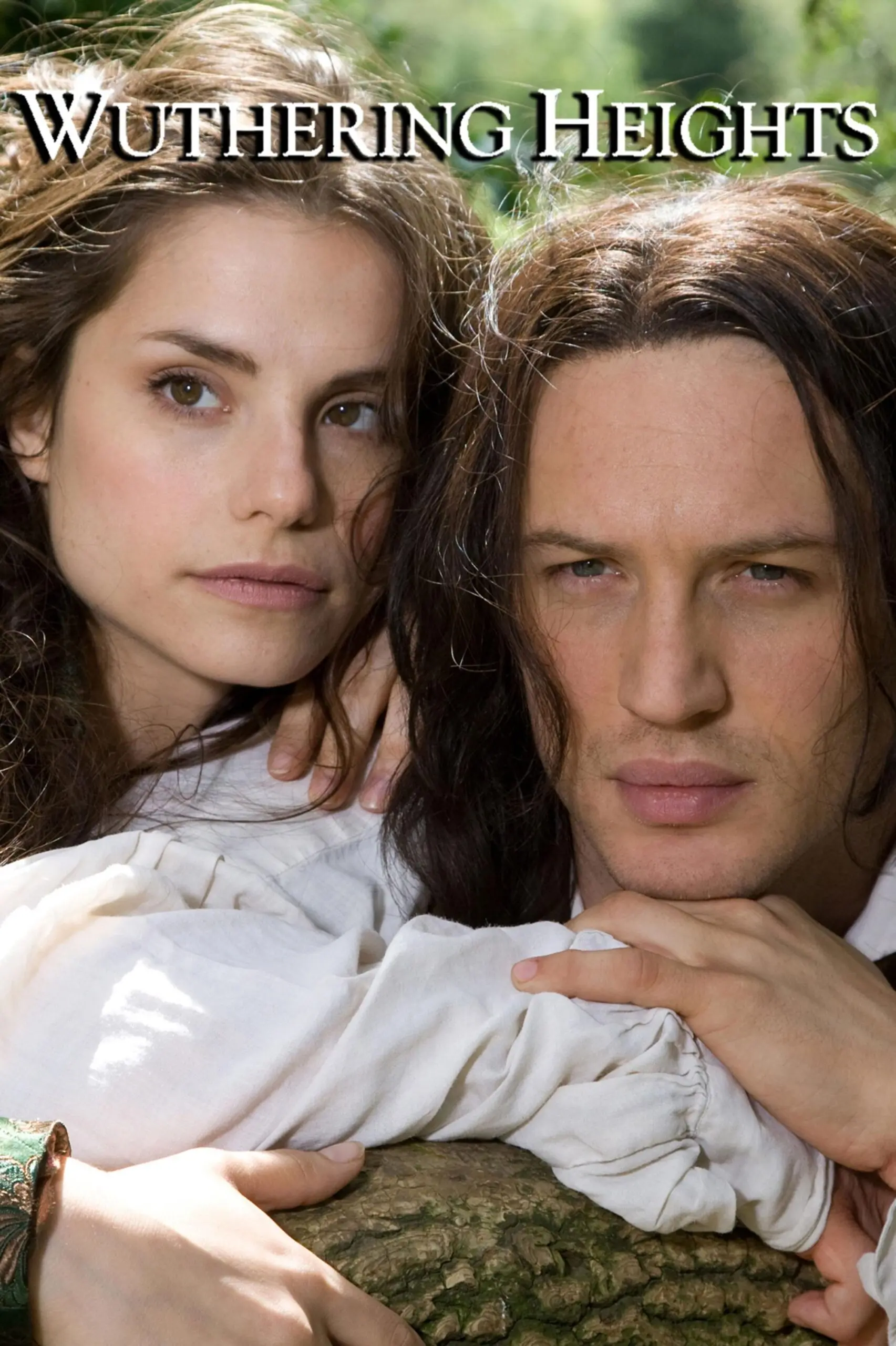
Introduction to Wuthering Heights
Wuthering Heights, written by Emily Brontë and published in 1847, is regarded as one of the greatest works of English literature. Its exploration of intense emotions, class struggle, and the impact of the natural world on human behavior resonate with readers to this day. As literary scholars and audiences alike reflect on its themes, the novel’s relevance continues to thrive in modern discussions.
Plot Overview
Set on the Yorkshire moors, Wuthering Heights tells the story of Heathcliff and Catherine Earnshaw, whose passionate, tumultuous relationship anchors the narrative. After Catherine marries Edgar Linton, tensions rise, leading to a cycle of revenge that shapes multiple generations. Heathcliff’s obsessive love and his quest for vengeance against those who wronged him highlight the destructive power of unbridled passion.
Themes and Symbolism
Central themes in Wuthering Heights include the dichotomy of love and hate, the influence of social class, and the connection between humans and nature. The novel juxtaposes the wild, untamed setting of the moors with the more cultivated environment of Thrushcross Grange, using these settings to symbolize the characters’ inner turmoil. Brontë’s use of weather as a narrative device further reinforces the volatile emotions of the characters.
Critical Reception and Adaptations
Upon its release, Wuthering Heights received mixed reviews, with some critics struggling to appreciate its unconventional narrative style and dark themes. However, over time, it has garnered acclaim and is now considered a cornerstone of Gothic literature. The novel has inspired numerous adaptations in film, theater, and even music, reflecting its versatility and enduring fascination.
Conclusion: The Significance of Wuthering Heights Today
Wuthering Heights continues to capture the imagination of readers and scholars, serving as a poignant exploration of human emotions and relationships. Its themes of love, revenge, and the influence of nature remain relevant today, prompting discussions about the complexities of passion and identity. As new generations discover Brontë’s masterpiece, it is clear that Wuthering Heights will endure as a significant literary work for years to come.