Introduction
Hooters is a casual dining restaurant known for its distinctive theme, which combines American cuisine and the trademarked image of waitresses in revealing uniforms. Established in 1983, Hooters has become a cultural icon in the United States and beyond. The brand’s unique combination of sports, casual dining, and eye-catching waitstaff has played a substantial role in shaping the casual dining industry, making it a significant case study for analysts and consumers alike.
History and Growth
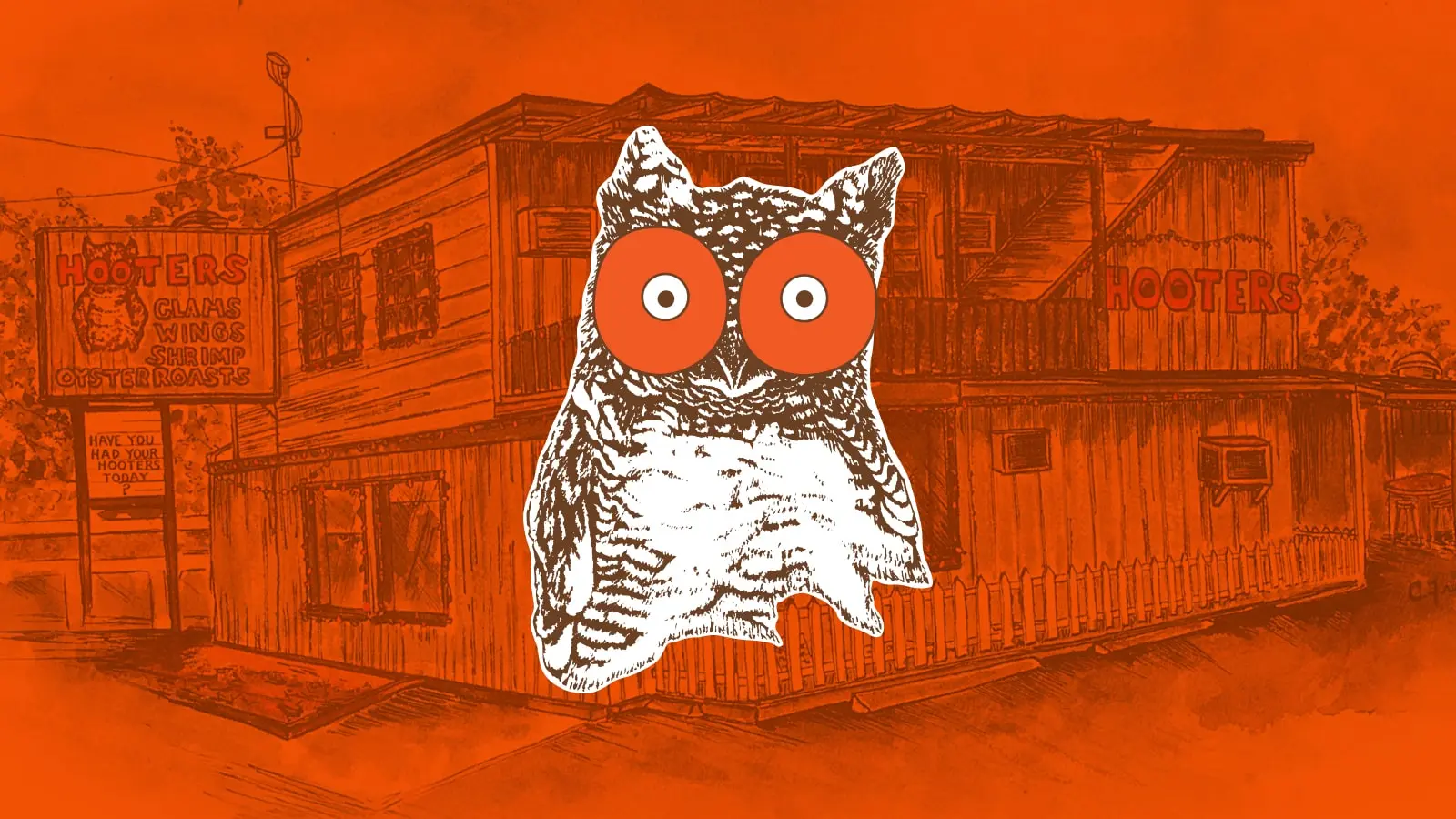
The first Hooters restaurant opened in Clearwater, Florida, after a group of six partners came up with the concept of a beach-themed eatery that also acted as a sports bar. Over the years, the company expanded rapidly, with over 430 locations worldwide as of 2023. The franchise has drawn considerable media attention and has sparked various discussions about its business model, marketing strategies, and treatment of employees.
Menu and Offerings
Hooters is primarily famous for its chicken wings, which come in a wide array of flavors. The menu also includes burgers, seafood, salads, and an extensive selection of beers. Special promotions, such as “Wing Wednesdays,” have cemented its popularity among customers looking for both food and entertainment. In recent years, the company has made efforts to diversify its offerings, aiming to attract a more health-conscious clientele without alienating its traditional fan base.
Challenges and Controversies
While Hooters has enjoyed considerable success, it has also faced several controversies. Critics highlight the objectification of women and there have been numerous discussions pertaining to gender roles within the workplace. Additionally, the chain has faced legal challenges over labor practices and employee rights. Still, the brand claims to empower women through employment and aims to foster a positive work environment.
Recent Developments
In recent years, Hooters began adapting to changing consumer preferences by launching delivery services and updating its restaurant designs to create a more family-friendly atmosphere. The COVID-19 pandemic also accelerated technological adaptations, with a greater emphasis on online ordering and contactless delivery options. According to a report released in 2023, the brand is set to explore more international markets, tailoring its franchise offerings to suit local tastes and cultures.
Conclusion
As Hooters continues to evolve, it demonstrates the adaptability required in the competitive food industry. Its ability to balance its original concept with modern consumer desires will likely determine its long-term success. For customers, Hooters remains a staple environment for fun, food, and sports, while for analysts, it continues to be a case study on brand evolution in the modern era. The future of Hooters seems geared towards integration of new technology and more inclusive practices, making it a pertinent topic for casual dining enthusiasts.