Introduction
The Super Bowl logo is more than just a visual emblem; it symbolizes the pinnacle of American football and the cultural significance of the NFL. Each year, fans eagerly anticipate not only the matchup but also the creative evolution of the logo. As the Super Bowl grows in stature, so does the anticipation for its logo design. Understanding its importance reveals insights about branding and the identity of one of the biggest sports events globally.
Historical Context
The Super Bowl began in 1967, but the logo as we know it today didn’t take shape until Super Bowl V in 1971, which featured a simple football and the game’s numeral. Over the years, the design has undergone numerous transformations, incorporating bold typography, vibrant colors, and stylistic elements reflective of the year’s host city or the cultural trends of the time. Designers, often tasked with a challenging brief, have played a pivotal role in creating logos that resonate with millions of fans.
Recent Developments
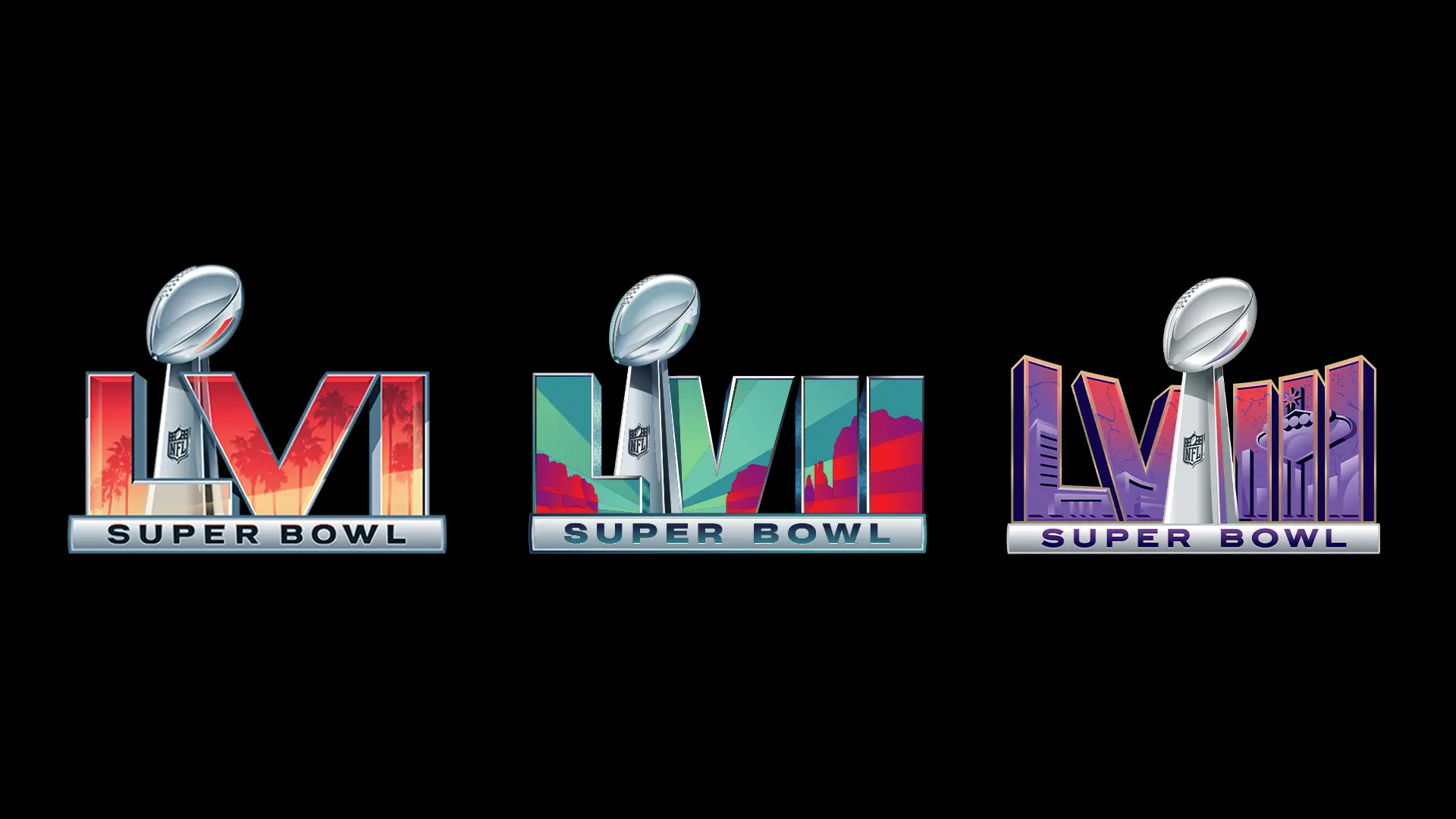
For Super Bowl LVII in 2023, the logo saw a fresh design that combined a sleek look with elements honoring the host city, Glendale, Arizona. This approach aims to connect local culture with the wider NFL community, boosting regional pride while maintaining a recognizable national brand. The striking design choices, which included a stylized football and vivid colors, were meant to evoke excitement and set the tone for the event.
Impact and Significance
The Super Bowl logo holds significant weight in the marketing and merchandising aspects of the NFL. It is featured on various merchandise, including apparel, souvenirs, and promotional materials, generating substantial revenue for both the league and its partners. By adapting the logo each year, the NFL not only maintains fan engagement but also reinforces its brand’s dynamism. Furthermore, special editions, like those featuring anniversaries or specific themes (such as diversity or inclusion), help convey important messages and values.
Conclusion
The evolution of the Super Bowl logo encapsulates the dynamic nature of sports branding. It serves as a visual storytelling tool that connects fans across generations, linking them with memorable moments in NFL history. As the league continues to innovate, future logos will likely further reflect current societal values while maintaining the emblematic characteristics of the league’s esteemed legacy. Fans can expect the Super Bowl logo to remain a canvas for creativity, embodying the spirit of each championship game for years to come.