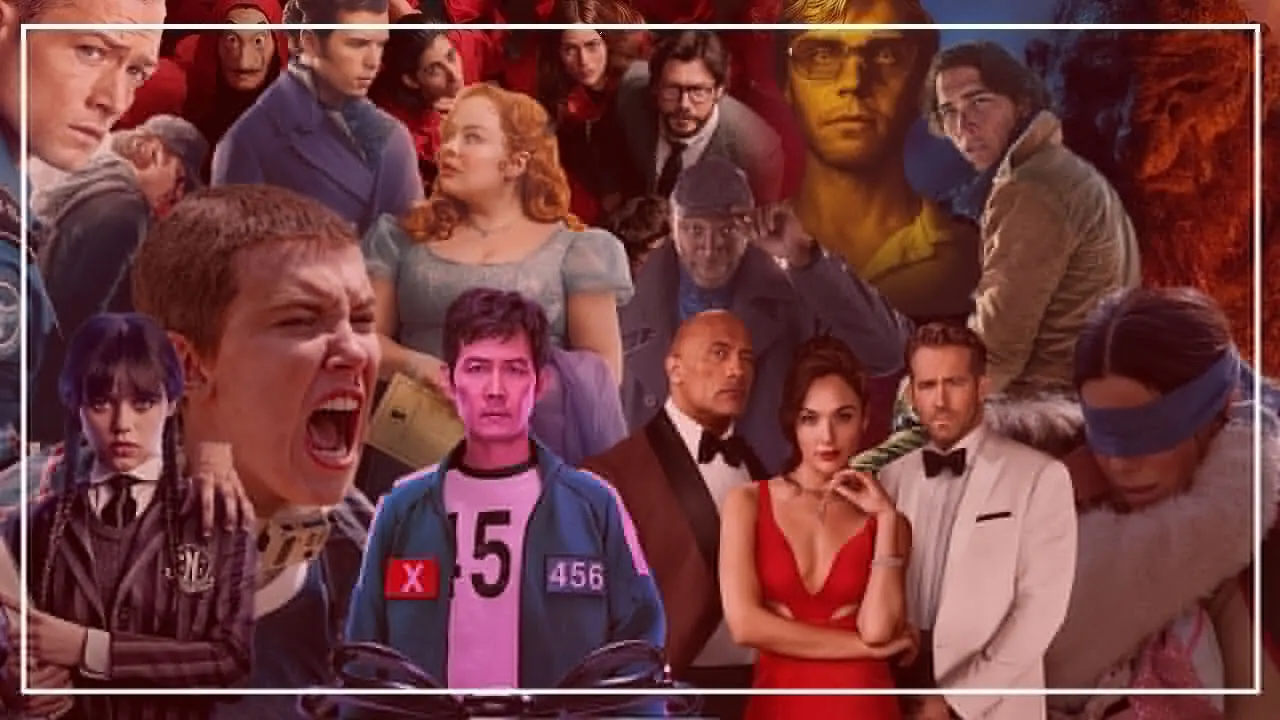
Introduction
The television has come a long way since its inception in the early 20th century. Today, it is not just a device for watching shows; it’s an integral part of modern life, influencing culture, entertainment, and technology. With the rapid development of technology, understanding the current trends in TV is crucial for consumers and industry stakeholders alike. This article explores the latest advancements in television technology and their significance in enhancing viewer experiences.
Current Trends in Television Technology
Television technology is constantly evolving. The introduction of 4K and 8K resolution TVs allows viewers to enjoy incredible picture quality with stunning detail and color. According to market research, the global 4K TV market size was valued at approximately $31 billion in 2021 and is projected to reach $138 billion by 2028, growing at a CAGR of 22%.
Moreover, OLED (Organic Light Emitting Diodes) and QLED (Quantum Dot LED) technologies are leading the way in providing superior contrast ratios and vibrant colors compared to traditional LED TVs. Major brands like LG, Samsung, and Sony have been rolling out models that incorporate these technologies, significantly enhancing the viewing experience.
The Rise of Smart TVs
In addition to picture quality advancements, the rise of Smart TVs has changed the way audiences consume content. Smart TVs come equipped with built-in internet connectivity, allowing users to access streaming services like Netflix, Hulu, and YouTube directly without the need for external devices. As of 2022, more than 80% of televisions sold in the United States were Smart TVs, a trend expected to continue as users demand more versatile entertainment options.
Furthermore, the integration of voice-activated assistants such as Amazon Alexa and Google Assistant in Smart TVs has made controlling devices even easier, creating a more user-friendly experience.
Future Forecasts
The future of television looks promising with even more innovations on the horizon. Emerging technologies like Virtual Reality (VR) and Augmented Reality (AR) are set to transform how viewers engage with content, providing immersive experiences that could redefine entertainment altogether. Additionally, advancements in Artificial Intelligence (AI) are being utilized to personalize viewer recommendations, leading to a more tailored viewing experience.
Conclusion
The television industry is undergoing a significant transformation driven by technological advancements, smart features, and evolving consumer preferences. For viewers, understanding these trends not only enhances their viewing experience but also empowers them to make informed choices about their entertainment options. As technology continues to progress, we can expect television to become an even more central aspect of our social lives, offering new ways to connect with stories, information, and each other.