Introduction
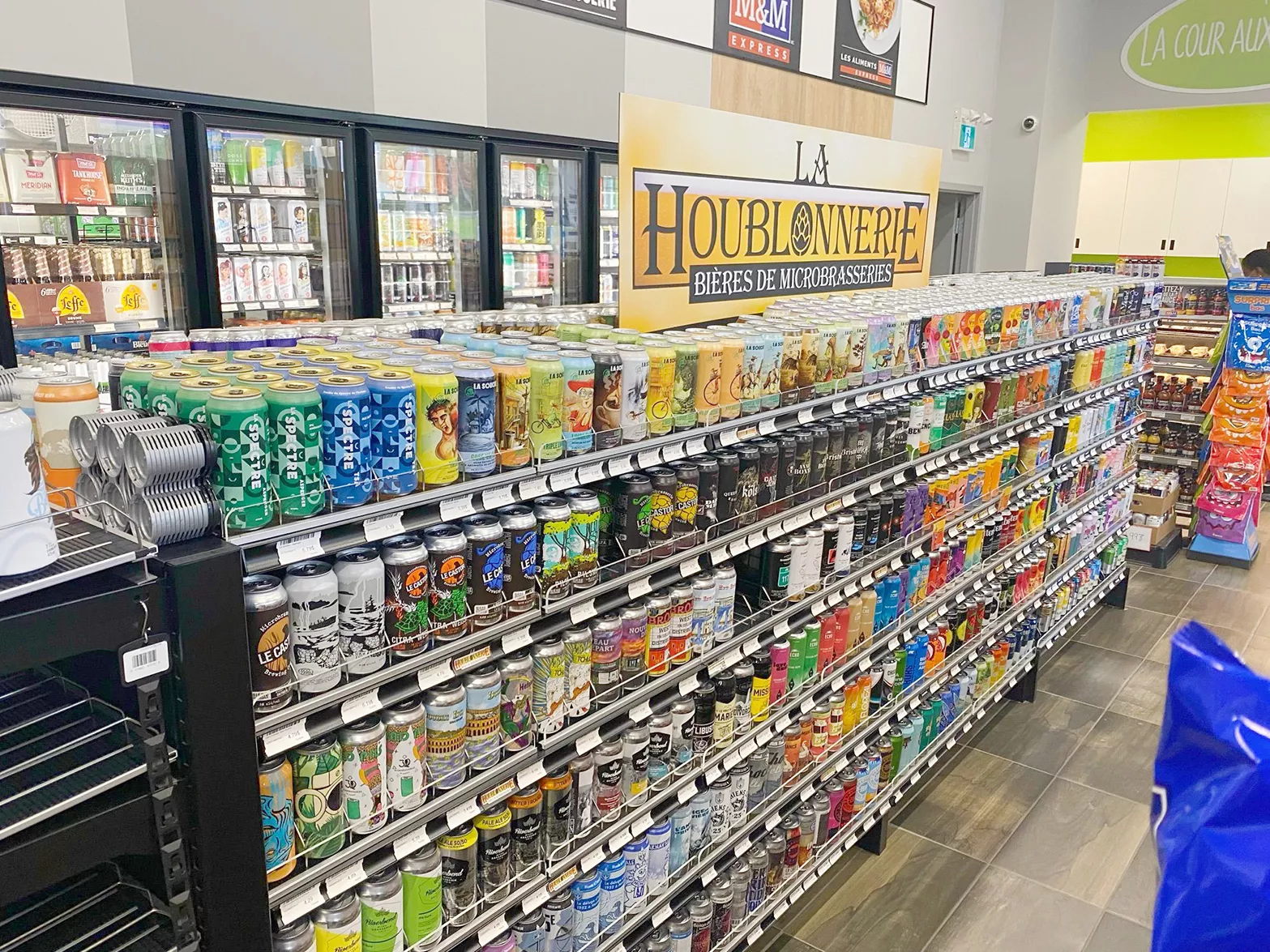
The grocery store has always been an essential aspect of daily life for consumers, serving as the primary source for food and household items. As we advance into 2023, grocery stores are undergoing significant transformations driven by technological advancements, changing consumer behaviors, and the ongoing impact of the COVID-19 pandemic. Understanding these trends is crucial for stakeholders in the grocery industry and consumers alike.
Adapting to Consumer Preferences
In recent years, many grocery stores have shifted toward offering more organic and locally sourced products in response to growing consumer awareness about health, sustainability, and the environmental impact of food production. According to a 2023 report by the Food Marketing Institute, 78% of shoppers indicated that they would choose grocery stores based on their sustainability practices, prompting retailers to reconsider their inventory and sourcing strategies.
Additionally, the demand for plant-based options continues to rise, with sales of plant-based foods growing by 27% over the past year, signaling a significant shift in consumer diets.
Technology and the Shopping Experience
Technology is another pivotal element reshaping grocery stores in 2023. Many retailers are investing in smart technology, such as self-checkout kiosks and automated inventory systems. A survey from the National Grocers Association indicates that over 60% of independent grocery retailers are implementing new technologies to enhance customer experience and streamline operations.
Moreover, online shopping has become an integral part of grocery retailing, with e-commerce sales in the grocery sector expected to exceed $250 billion by the end of 2023. Stores are enhancing their digital platforms to provide seamless online ordering and delivery options, meeting the growing expectations of convenience among consumers.
The Future of Grocery Stores
As we look toward the future, grocery stores will likely continue evolving to meet consumer demands. Innovations such as cashier-less stores and increased automation in supply chains are set to transform the landscape further. Additionally, the integration of artificial intelligence and machine learning will help retailers analyze consumer behavior, optimize stock levels, and personalize marketing strategies.
Conclusion
The grocery store is at a crossroads, adapting to new consumer preferences while leveraging technology to improve the shopping experience. As these trends continue to shape the industry, both retailers and consumers must remain aware of their evolving roles. The future of grocery stores will not only reflect the immediate needs of consumers but also their broader values, ultimately determining how grocery shopping will look in the years to come.