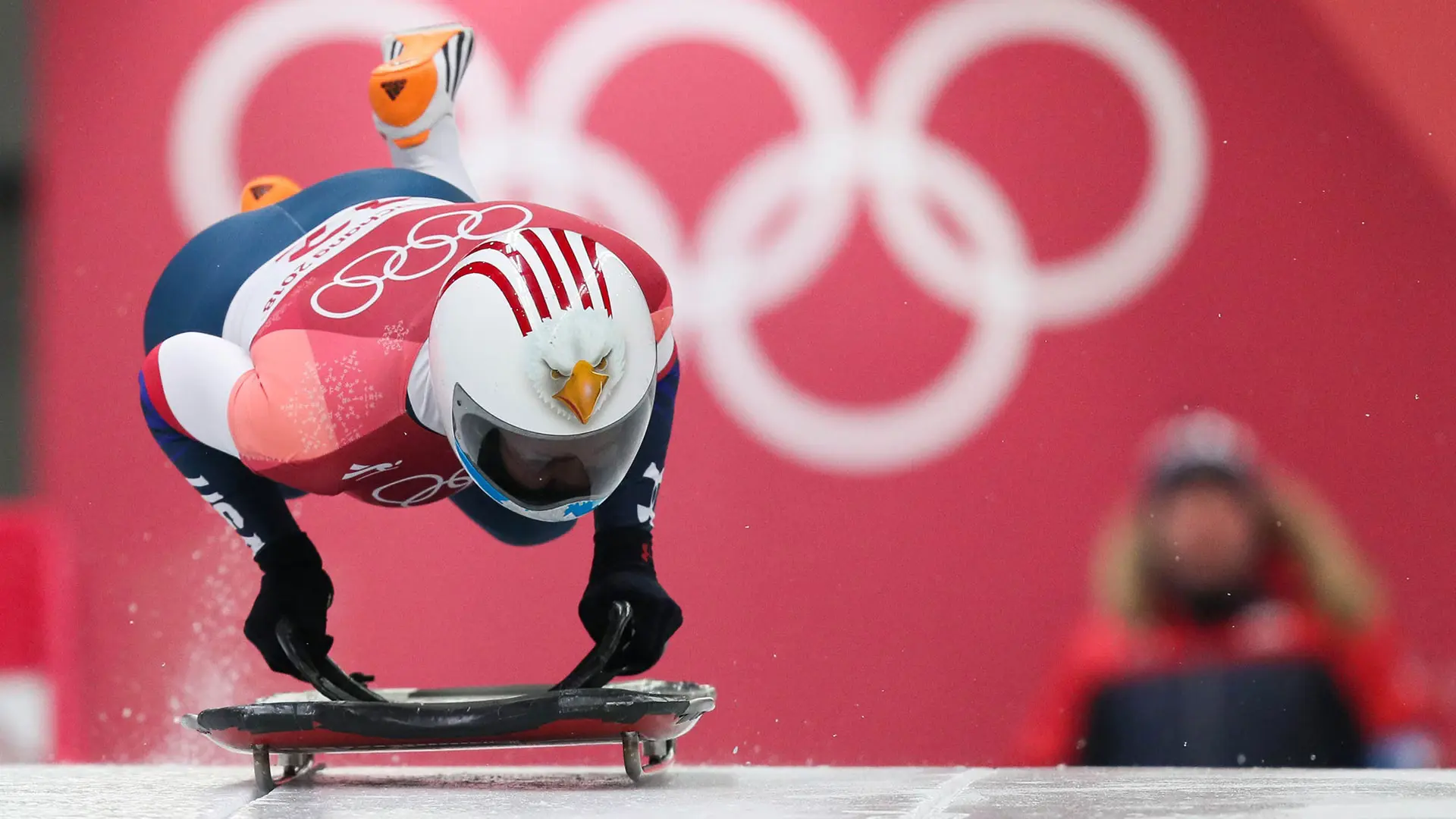
Introduction to Skeleton in Winter Olympics
Skeleton is a thrilling and fast-paced sliding sport that is a staple at the Winter Olympics. Competing in this event requires not only speed but also precision and control. Athletes navigate a winding track headfirst on a small sled, reaching speeds in excess of 80 miles per hour. The sport’s unique fusion of speed, skill, and strategy makes it a fan favorite, showcasing the athleticism of its competitors.
History and Evolution of Skeleton
Skeleton first appeared in the Winter Olympics in 1928 and has seen its ups and downs in Olympic history. After a 54-year hiatus, the sport returned to the Olympic stage in the 2002 Salt Lake City Games. While initially dominated by male athletes, the inclusion of women’s events began in 2002, allowing for greater representation and excitement. Today, skeleton comprises both men’s and women’s races, making it a thrilling viewing experience for fans around the world.
Recent Developments and Events
As the world prepares for the upcoming 2026 Winter Olympics in Milan and Cortina d’Ampezzo, interest in skeleton has surged, with athletes across the globe vying for qualification and training rigorously to improve their performance metrics. Key events leading up to the Olympics, such as the World Cup series, provide athletes with the chance to refine their techniques and showcase their skills. In recent competitions, athletes like Matt Antoine from the United States and Tina Hermann from Germany have emerged as strong contenders. They have consistently placed in the top ranks, building anticipation for their Olympic performances.
Importance for Athletes and Viewers
The significance of skeleton extends beyond just the competition. For athletes, it represents years of dedication, discipline, and a relentless pursuit of excellence. For viewers, skeleton offers breathtaking action and a front-row seat to the remarkable feats of human capability. As each athlete pushes their limits on the track, fans can feel the tension and excitement of the races unfold. The upcoming Olympics are expected to highlight the adrenaline-fueled nature of skeleton while embracing its colorful history.
Conclusion
Skeleton remains a captivating sport in the Winter Olympics landscape, merging speed with skillful maneuvering in an exhilarating format. As the 2026 Winter Olympics approaches, athletes are set to compete for glory, while fans anticipate the thrill of watching skeleton races live. The growing interest in this sport reflects not only the dedication of the athletes but also the excitement it generates among sports enthusiasts worldwide. This energetic event promises to deliver memorable moments and potential new records as athletes showcase their talents on the international stage.