Introduction
The interaction between climate phenomena and ancient megafauna like the woolly mammoth is a subject of ongoing interest within the scientific community. Understanding the relationship between mammoths and natural events such as lightning strikes can provide invaluable insights into the ecosystems they inhabited and the impact of climate on their survival. As climate change continues to challenge modern wildlife, studying these interactions of the past can help us appreciate the delicate balance of nature.
The Role of Mammoths in Their Ecosystem
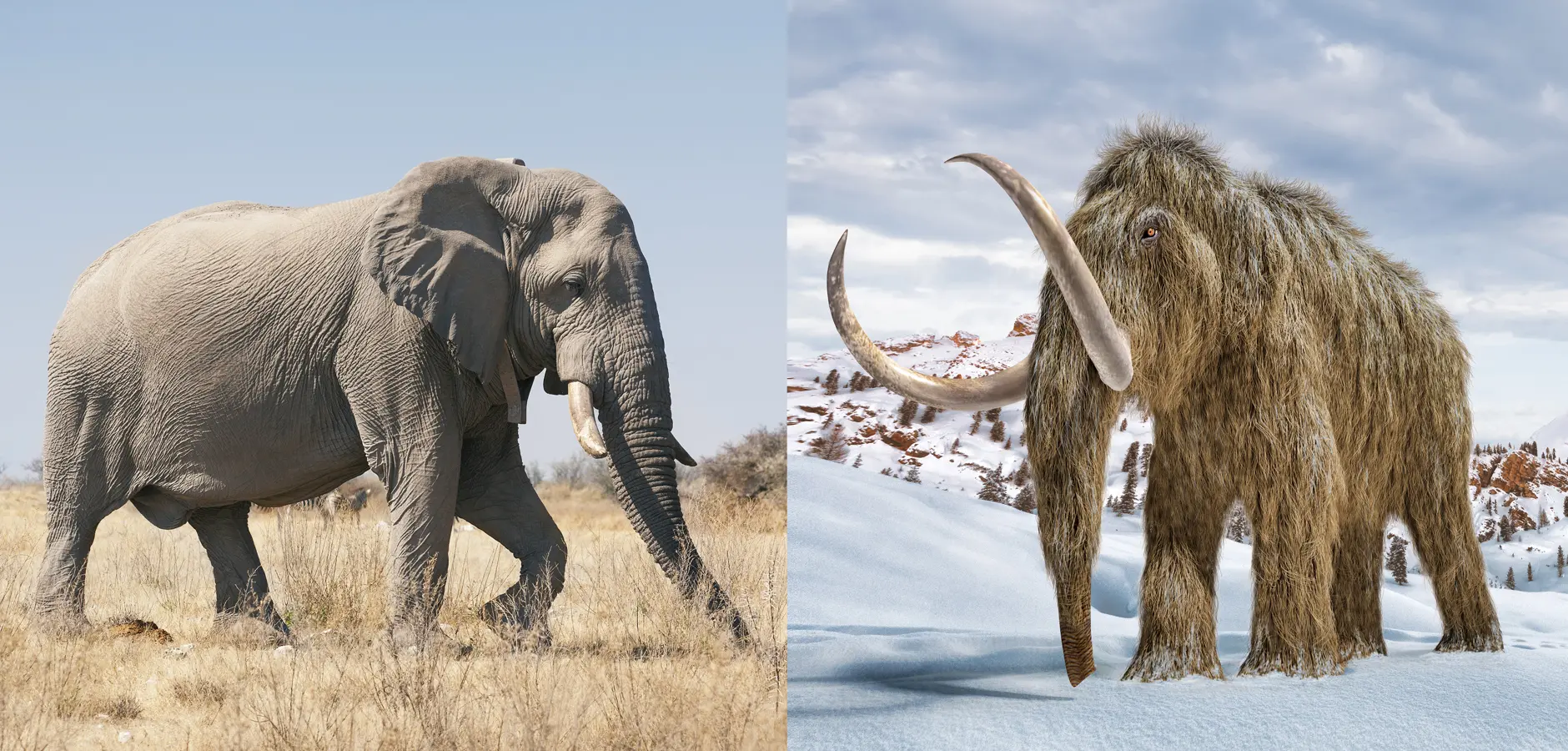
Mammoths were herbivorous mammals that roamed large parts of the Northern Hemisphere during the last Ice Age. They played a crucial role in their ecosystems, from maintaining grasslands to supporting other species through their feeding habits. Their presence influenced plant communities and, in turn, the wildlife that depended on them. The extinction of these animals, which occurred approximately 4,000 years ago, has long been linked to climate change and human activity.
Impact of Lightning in Ancient Ecosystems
Lightning strikes are natural phenomena that contribute to ecosystem dynamics. In prehistoric times, lightning could ignite wildfires, which shaped habitats by clearing out underbrush and promoting the growth of new vegetation. For mammoths, lightning strikes could have posed direct threats, particularly if they struck during storms when the animals congregated near water sources.
Recent Research Findings
Recent studies have explored how climate shifts during the last Ice Age affected the frequency of lightning strikes and, consequently, the habitats of mammoths. Research indicates that warmer temperatures and changing precipitation patterns resulted in increased instances of wildfires ignited by lightning. This shift likely altered the landscape in which mammoths thrived, creating both opportunities and challenges in their environment.
Conclusion
Understanding the dynamics between mammoths and natural phenomena like lightning is essential for reconstructing the ecological narratives of the past. The extinction of these majestic creatures provides a cautionary tale about the impact of environmental changes on wildlife. As climate change reshapes modern ecosystems, examining historical interactions can aid in our efforts to preserve current species. The study of mammoths and lightning serves as a reminder of the complexity of nature and the need for harmony between human progress and environmental stewardship.