Introduction
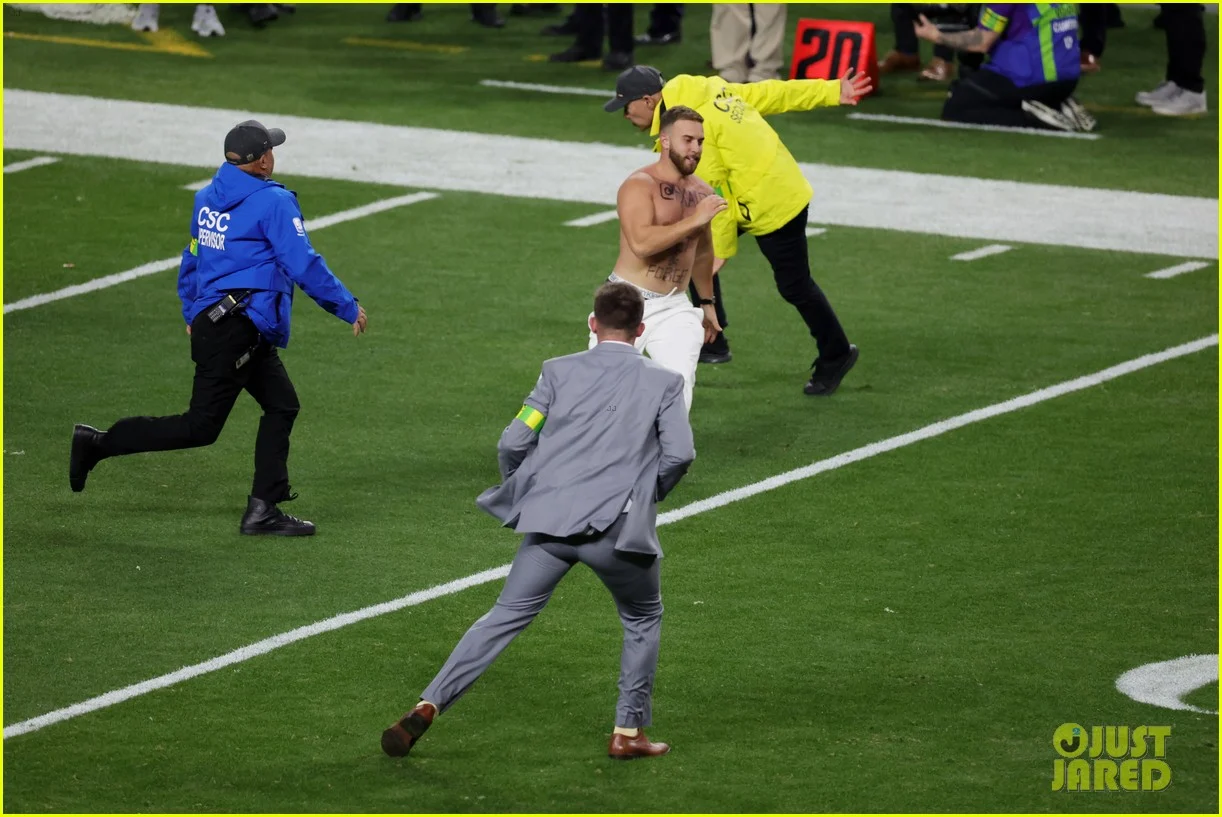
The Super Bowl is not just a celebration of football; it’s an event that brings together millions of fans, celebrities, and sometimes, unexpected interruptions. One such interruption is the appearance of streakers—individuals who run onto the field in the nude, often to make a statement or just for publicity. The phenomenon of Super Bowl streakers reflects cultural shifts and societal commentary, making it a relevant topic for sports enthusiasts and sociologists alike.
The Phenomenon of Streaking
Streaking, which gained popularity in the 1970s, saw a spike in high-profile incidents during major events, particularly the Super Bowl. The first notable streaking incident at the Super Bowl occurred during Super Bowl VII in 1973, when a man ran onto the field during halftime, capturing the attention of viewers and security alike. This marked the beginning of a trend where streakers became a quirky part of Super Bowl lore.
Memorable Incidents
Over the years, several streakers have made headlines for their daring runs. One memorable incident occurred during Super Bowl XXXVII in 2003 when a man named Mark Roberts streaked across the field wearing only a pair of shoes. His act was so well-received that he was later interviewed on live television. Another famous streaker was the YouTube star, known as “the Super Bowl Streaker” who disrupted the game in 2021, wearing a pink tutu and a smile, subsequently leading to social media buzz and exposure for his brand.
The Consequences
While streaking may seem humorous, it often has serious consequences. Streakers can face criminal charges including trespassing and disorderly conduct. Fines can range from hundreds to thousands of dollars, depending on the location and the behavior of the individual. Additionally, stadiums typically impose lifetime bans on those who invade the field. Despite these consequences, the allure of the moment continues to draw individuals willing to risk it all for a few moments of fame.
Conclusion
The tradition of streaking at the Super Bowl serves as a reminder of how sporting events can transcend athletics to explore themes of freedom, rebellion, and humor in social contexts. As the popularity of such incidents endures, it is likely that we will continue to see streakers at future Super Bowls, each hoping to etch their name into the event’s colorful history. For fans and viewers, these moments add a layer of unpredictability and entertainment to an already electrifying occasion.